 Anacortes Siding
 Two Very Different Materials, One Big Decision
If you're re-siding a home in Anacortes, you've probably narrowed your search down to two finalists: vinyl and fiber cement. Both are legitimate, widely used products. Both have been installed on thousands of homes around Skagit County. But they are not interchangeable, and the differences matter more here than they would in a drier, milder climate. This page walks through how they actually compare — not marketing claims, but the practical trade-offs a homeowner should weigh before signing a contract.
We'll say up front: our company installs James Hardie fiber cement exclusively. We don't install vinyl. That's a professional standard we've chosen to hold, and we'll explain why as we go. But we're not going to pretend vinyl has no upside — it does, and you deserve an honest picture of both.
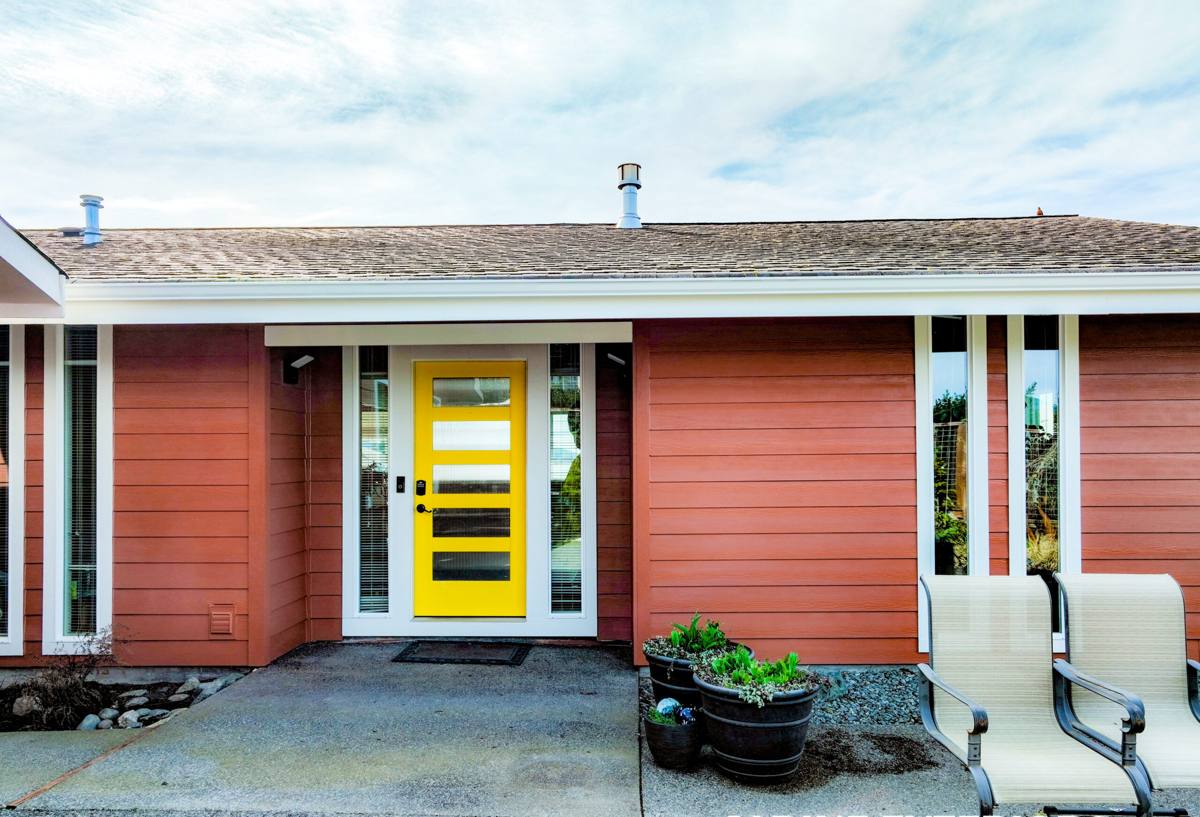
What Each Product Actually Is
Vinyl Siding
Vinyl siding is an extruded PVC plastic panel, formed into overlapping planks that hook onto a wall. Color is mixed into the plastic itself rather than painted on. It's lightweight, relatively inexpensive, and has been a mainstream siding choice in the Pacific Northwest for decades.
Fiber Cement
Fiber cement siding is a composite of Portland cement, sand, and cellulose fiber, formed under pressure and cured. James Hardie, the brand we install, factory-applies its ColorPlus finish baked onto the board before it ever reaches the jobsite. The result is a rigid, non-combustible plank that's engineered to hold paint and shape far more consistently than site-finished materials.
Cost: The Real Numbers
Vinyl is genuinely the cheaper option up front — that's not a myth. Fiber cement runs more per square foot, both in material and installation labor, because it's heavier, requires different tools, and demands more precise flashing and fastening work. Here's how the cost factors break down over the life of the siding, not just at install:
| Factor | Vinyl | Fiber Cement (James Hardie) |
|---|---|---|
| Upfront material + install cost | Lower | Higher |
| Typical repainting need | Never repainted (color is molded in, but fades and chalks over time) | ColorPlus finish holds color for years; when it does need attention, it's paintable like wood |
| Impact/storm damage repair | Cracks and panels blow off in wind; replacement panels can be hard to color-match years later | Rigid board resists wind-driven debris and impact far better |
| Warranty structure | Varies widely by manufacturer and often prorates over time | Strong transferable warranty backing the product and finish |
| Resale/appraisal perception | Often seen as a lower-tier upgrade | Frequently cited by appraisers and agents as a value-adding upgrade |
The honest takeaway: vinyl wins on day-one price. Fiber cement tends to win on cost-per-year over a 20-30 year ownership window, because it's replaced and repaired less often and holds resale value better.
How Each Handles Anacortes Weather
This is the section that matters most locally. Anacortes sits right on the water, which means salt-laden air moves across every home in town, not just the ones with a direct water view. Add in the driving, wind-pushed rain that comes through Skagit County in the fall and winter, plus a long, damp moss season that keeps north- and west-facing walls wet for weeks at a stretch, and you've got a climate that stress-tests exterior materials harder than a lot of other parts of the state.
Vinyl in this climate
Vinyl doesn't rot or corrode, which is a real advantage. But it's a rigid plastic panel installed with expansion gaps, and those gaps, along with the J-channels and trim pieces around windows and corners, are where wind-driven rain finds its way behind the cladding. Vinyl also gets brittle in cold snaps and can crack under impact — a dropped ladder, a wind-thrown branch — in ways that are hard to repair invisibly since color-matching an old panel years later rarely works. Salt air doesn't corrode vinyl, but it does accelerate UV fading and chalking on the sun-exposed sides of a home.
Fiber cement in this climate
James Hardie's HZ5 product line is specifically engineered for climates like ours — freeze-thaw cycling, sustained moisture exposure, and coastal conditions. The board itself doesn't feed mold or rot the way wood-based products can, and it holds its shape and fastening under sustained wet weather. Moss and algae can still grow on any siding surface that stays damp and shaded, fiber cement included — but the board underneath isn't compromised by it, and the surface cleans up without the material itself degrading.
Moisture Management Is an Installation Issue, Not Just a Material One
Here's something both product manufacturers will tell you plainly, and it applies just as much to vinyl as it does to fiber cement: no siding material stops water on its own. Every siding system depends on correct water-resistive barrier work, flashing at windows and doors, proper kick-out flashing at roof-to-wall intersections, and correct fastening — done in that order, before the cladding ever goes up.
Vinyl's problem is that it's often treated as a "maintenance-free" product, which leads to shortcuts underneath it that don't show up until a wall cavity has been wet for years. Fiber cement is less forgiving of bad installation in a different way — it needs correct fastener spacing, gapping at butt joints, and factory-cut edges sealed or primed, or it won't perform to spec. Either material, installed by a crew that skips flashing details, will fail in this climate. That's why installation quality matters as much as the material choice itself.
Maintenance, Year to Year
- Vinyl: periodic washing to remove salt film, pollen, and moss growth; watch for cracked or popped panels after storms; expect gradual fading, especially on darker colors and sun-facing elevations.
- Fiber cement (Hardie): periodic washing for the same reasons; caulk joints and penetrations checked every few years; ColorPlus finish holds up without repainting for a long service life, and when paint is eventually needed, the board takes it well.
- Both materials: gutters and downspouts kept clear so water sheets off the wall instead of running down it; shrubs and trees kept trimmed back so walls get airflow and sun exposure, which matters more here than in drier climates.
- Both materials: annual walk-around after the fall storm season to catch loose trim, damaged panels, or open caulk joints before winter rain gets behind them.
Fire and Impact Considerations
Fiber cement is non-combustible. Vinyl is a petroleum-based plastic that will soften, deform, and burn when exposed to direct flame or high radiant heat — from a nearby fire pit, a grill placed too close to the wall, or, in worse scenarios, wildfire embers. Skagit County isn't the driest corner of the state, but the region has seen its share of dry summer stretches in recent years, and non-combustible cladding is one more layer of protection that costs nothing extra to maintain once it's installed.
On impact, fiber cement's rigidity is an advantage against wind-thrown debris, but it does mean a hard, concentrated impact can chip or crack a board — repairable, but worth knowing. Vinyl flexes more but can crack in cold weather and doesn't hold up as well to sustained wind loads over time.
Why We Standardized on James Hardie
We install James Hardie fiber cement exclusively — not vinyl, not LP SmartSide, not other fiber cement brands — because after years of doing this work on homes exposed to the same salt air and driving rain your home deals with, we settled on the system that gives homeowners the best combination of longevity, non-combustibility, factory-baked finish durability, and a warranty structure that actually backs the product long-term. That's not a knock on every vinyl product on the market. It's a professional standard: we'd rather install one system well and stand behind it fully than offer a lower-cost option we can't vouch for with the same confidence in this climate.
Which Homeowners Tend to Choose Which
- Homeowners prioritizing the lowest possible upfront cost, on a home they may not own for the long term, often lean toward vinyl.
- Homeowners planning to stay long-term, or who want a material engineered specifically for coastal, wet-climate exposure, tend to land on fiber cement.
- Homeowners doing a full resale-focused renovation often choose fiber cement for its perceived value add.
- Homeowners replacing storm-damaged or failing siding on a tight timeline sometimes start with vinyl quotes, then reconsider once they see the 20-year cost comparison.
Questions Worth Asking Any Contractor, Whichever Material You Choose
- What water-resistive barrier and flashing details will be used at windows, doors, and roof intersections?
- Is the crew installing to the manufacturer's written installation instructions, and can they show you those specs?
- What warranty covers the material, and separately, what warranty covers the labor?
- How will they handle existing sheathing or framing damage discovered once old siding comes off?
- Are they licensed and insured to do exterior work in Washington, and can they provide references from recent local jobs?
Every home on Anacortes' peninsula deals with the same salt air, driving rain, and moss season — but every home also has its own exposure, sun angle, and existing wall condition that affects which siding decision makes the most sense. If you'd like an honest, no-pressure look at your home and a straight answer on what we'd recommend, we're glad to walk the property with you and put together a free estimate.