 Anacortes Siding
 Asphalt Shingle Roofing Built for Bow's Marine Climate
Bow sits close enough to Samish Bay and the surrounding tidal flats that homes here take a different kind of weathering than roofs even a few miles inland. Salt-laden air, near-constant winter drizzle, and long stretches of gray, damp weather each year create conditions that push asphalt shingle roofs harder than most manufacturers' warranty language accounts for. A shingle roof installed correctly for Bow's conditions can last decades. One installed with shortcuts, or with materials and details better suited to a drier climate, will show problems well before its rated lifespan is up.
This page covers what asphalt shingle roofing actually needs to hold up in Bow specifically — not generic roofing advice, but the details that matter for homes in this part of Skagit County.
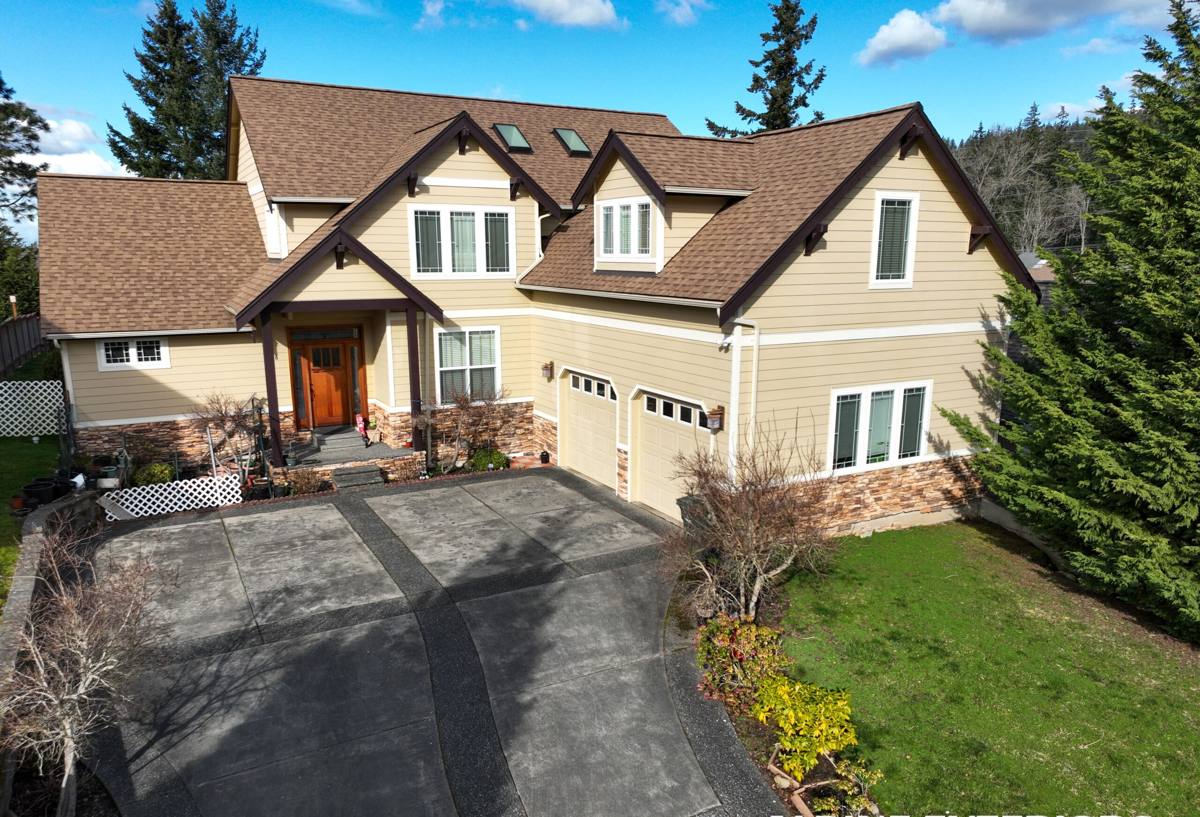
Why Local Climate Conditions Matter More Than the Shingle Brand
Homeowners often start by asking which shingle brand is "best." That's the wrong first question. The bigger factor in how long a roof lasts in Bow is whether the underlayment, ventilation, flashing, and fastening were done correctly for this environment. A premium shingle installed with poor ventilation or undersized flashing will fail early. A mid-range shingle installed correctly, with the right underlayment and attic airflow, will often outlast it.
The three climate factors we design around
- Salt air: Airborne salt accelerates corrosion on exposed metal fasteners, flashing, and vent components. Corrosion-resistant materials aren't optional this close to the water.
- Driving rain: Wind-driven rain off the bay pushes water sideways and upward under shingle tabs and at every roof penetration. Underlayment and flashing detail work carries more of the waterproofing load here than shingles alone.
- Extended moss season: Skagit County's wet season runs long, and shaded, north-facing roof sections in Bow can stay damp for weeks at a time, which is exactly what moss and algae need to establish.
What a Correct Asphalt Shingle Installation Actually Involves
A shingle roof is a layered water-shedding system, not just a top layer of shingles nailed to plywood. Each layer has a job, and skipping or shortcutting any one of them is where most premature roof failures in this region start.
| Layer | Purpose in Bow's Climate |
|---|---|
| Deck inspection and repair | Confirms the sheathing underneath is sound before anything is sealed over it — moisture-damaged decking hidden under old shingles is common on older Skagit County homes |
| Ice and water shield at vulnerable areas | Self-adhering membrane at eaves, valleys, and penetrations resists wind-driven rain intrusion, which matters more here than actual ice |
| Synthetic underlayment | Provides a secondary water barrier across the full roof, standing up to prolonged damp conditions better than older felt products |
| Corrosion-resistant flashing | Directs water away from valleys, chimneys, skylights, and walls; salt-air exposure makes material choice here important |
| Proper nailing pattern | Correct fastener count and placement per shingle keeps the roof wind-rated and prevents lifted tabs during coastal storms |
| Balanced ventilation | Intake and exhaust airflow keeps the attic and roof deck dry from the inside, reducing moss-friendly moisture and extending shingle life |
Choosing a Shingle That Makes Sense for a Bow Home
We don't push one product line for every roof. The right shingle choice depends on your roof's exposure, slope, shading, and your own priorities around cost, appearance, and maintenance.
| Shingle Type | Typical Fit for Bow | Trade-offs |
|---|---|---|
| 3-tab asphalt | Budget-conscious re-roofs, simple roof lines | Lower wind resistance and shorter service life than laminated options; less margin for coastal wind |
| Architectural (laminated) shingles | Most Bow homes — the standard recommendation | Higher wind rating, better moss resistance available, more upfront cost than 3-tab |
| Algae-resistant (copper/zinc-infused) shingles | Shaded lots, north-facing slopes, tree-covered properties near the water | Slightly higher cost; meaningfully reduces algae staining and moss establishment over time |
| Impact-rated shingles | Homes wanting extra durability against wind-driven debris | Premium pricing; worth discussing case by case rather than defaulting to it |
For most Bow properties, we lean toward a quality laminated shingle with algae-resistant granules, especially on any roof section that sits in shade for part of the day. It's a straightforward upgrade that addresses the specific moss and algae pressure this area sees, without moving into premium-tier pricing.
Moss, Algae, and the Long Wet Season
Moss doesn't just look bad — it holds moisture against the shingle surface, lifts tabs as it grows under the edges, and shortens the roof's life if left unaddressed. Skagit County's wet season gives moss a long runway to establish, especially on shaded or low-slope sections.
What actually reduces moss risk on a Bow roof
- Trimming back overhanging branches to reduce shade and debris buildup
- Keeping gutters and valleys clear so water doesn't pool against shingle edges
- Choosing algae-resistant shingles on shaded or north-facing slopes
- Installing zinc or copper strips near the ridge on moss-prone roofs
- Scheduling a light annual inspection rather than waiting for visible moss to spread
Pressure washing is not on that list on purpose — aggressive pressure washing strips granules and shortens shingle life. If moss is already established, it should be removed with a soft-wash approach and manual clearing, not high-pressure equipment.
Repair, Re-Roof, or Full Tear-Off: How We Evaluate a Bow Roof
Not every roofing problem needs a full replacement, but not every problem should be patched either. We look at the roof's age, the condition of the decking underneath, how much of the roof is affected, and how much useful life is realistically left before recommending a direction.
Signs a repair is likely enough
- Isolated shingle damage from a storm or fallen branch
- A single flashing failure at a chimney, skylight, or wall intersection
- Localized moss damage caught early, before it reaches the decking
Signs a full replacement makes more sense
- Widespread granule loss or curling shingles across most of the roof
- Soft or spongy decking found during inspection
- Repeated leaks in different areas rather than one isolated spot
- A roof already past or near the end of its expected service life
Our Process for Bow Roofing Projects
- On-site inspection: We walk the roof and attic, checking decking condition, existing ventilation, flashing points, and moss or moisture damage.
- Honest scope and estimate: You get a clear explanation of what's actually needed, what's optional, and why — no upsell padding.
- Material selection: We walk through shingle and underlayment options suited to your roof's exposure and shading, not a one-size-fits-all package.
- Tear-off and deck check: Old roofing comes off fully so the decking can be inspected and any damaged sheathing replaced before anything new goes down.
- Underlayment and flashing installation: Ice-and-water membrane at vulnerable points, synthetic underlayment across the field, corrosion-resistant flashing throughout.
- Shingle installation: Installed to manufacturer specification and proper nailing pattern for coastal wind exposure.
- Ventilation check and adjustment: Intake and exhaust airflow confirmed or corrected as part of the job, not treated as an afterthought.
- Final walkthrough: We review the finished roof with you before considering the job done.
Ventilation: The Part of the Roof You Don't See
In a climate as damp as Bow's, attic ventilation does as much work as the shingles themselves. Without balanced intake and exhaust airflow, moisture from daily household use gets trapped against the underside of the roof deck. Over time that trapped moisture can rot sheathing, degrade underlayment from below, and create the exact damp conditions that shorten shingle life and invite moss growth on the surface above. Correcting ventilation is often the single highest-value addition to a re-roof on an older Bow home, and it's something we check on every project rather than assuming the existing setup is adequate.
Why Hiring a Crew That Already Works in Bow Matters
Roofing crews that primarily work drier, inland areas sometimes bring assumptions that don't hold up here — lighter underlayment specs, standard fasteners instead of corrosion-resistant ones, or ventilation calculations that don't account for how consistently damp this air stays for months at a time. A crew that regularly works Bow and the surrounding Skagit County coastline already knows which roof details need the extra attention and which shortcuts simply don't hold up against salt air and driving rain year after year. That local experience shows up in fewer callbacks and a roof that performs the way it's supposed to for its full expected lifespan.
Maintaining Your Roof After Installation
A correctly installed asphalt shingle roof still benefits from basic upkeep, especially in this climate.
| Task | Recommended Frequency |
|---|---|
| Visual roof inspection | Once a year, or after any major windstorm |
| Gutter and valley clearing | At least twice a year, more often under trees |
| Moss and debris check on shaded slopes | Once a year, ideally before the wet season sets in |
| Flashing and sealant check | Every 2-3 years, or sooner if a leak is suspected |
Manufacturer warranties on shingles typically cover material defects, while workmanship coverage on the installation itself is a separate matter worth understanding clearly before work begins. We explain both plainly as part of every estimate, so there's no confusion later about what's covered and for how long.
Get a Free, No-Pressure Estimate
If you're dealing with moss buildup, an aging roof, or you just want an honest read on what your Bow home's roof actually needs, we're happy to take a look. Use the form below to request a free estimate — no pressure, no obligation, just a clear assessment from a crew that knows this climate.