 Anacortes Siding
 Old Town Anacortes Faces a Different Kind of Weather
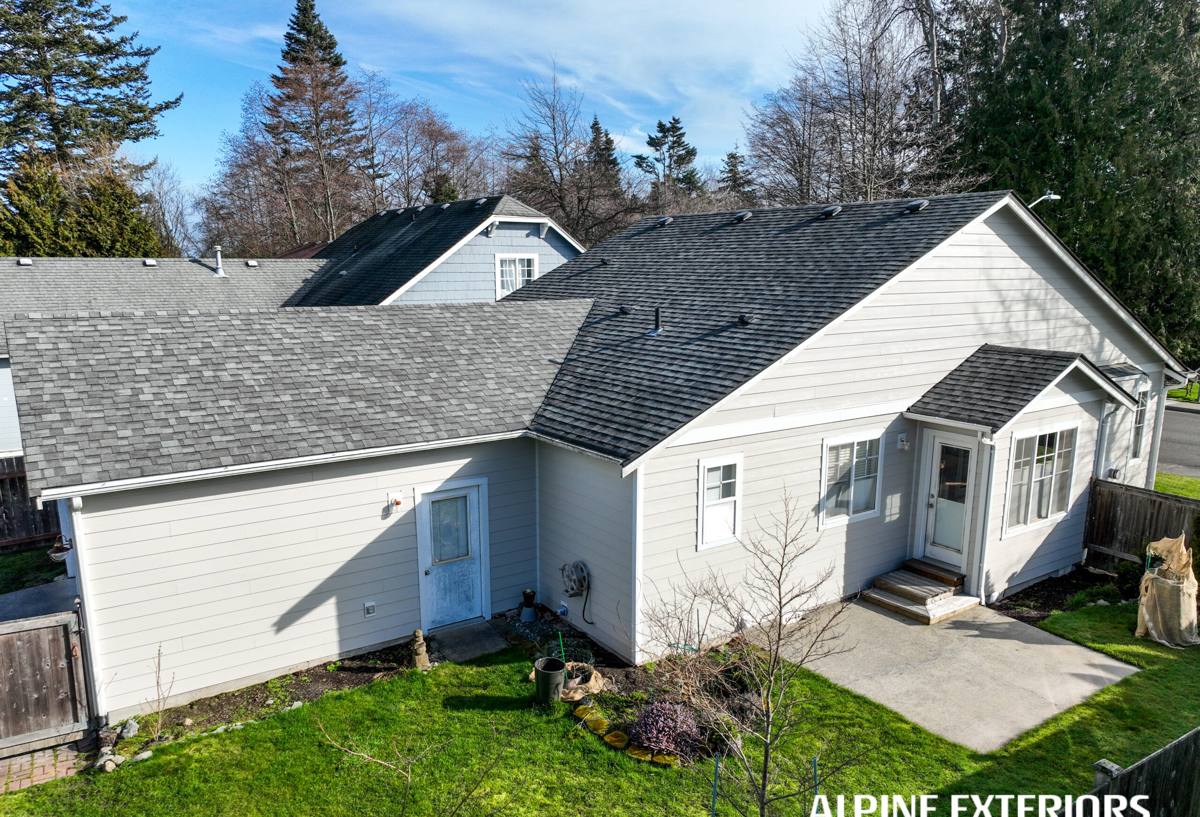
Old Town Anacortes sits close to the water on Fidalgo Island, and that proximity shapes everything about how a house ages here. Homes in this part of Anacortes deal with a marine climate that's tougher on exterior building materials than most inland Skagit County neighborhoods realize. Salt-laden air moves through constantly, driving rain comes in sideways off the water during winter storms, and the shaded, damp lots common to this older part of town stay wet longer after every system that rolls through. Add in a moss season that can stretch from fall through late spring, and you've got a combination that punishes the wrong siding choice year after year.
Many of the homes here are older — established houses on established lots, often with mature trees and landscaping that keep siding shaded and slow to dry. That's a great look, but it's also exactly the environment where moisture-sensitive siding materials struggle. Understanding that reality is the starting point for any honest conversation about re-siding a home in this neighborhood.
What Salt Air Actually Does to a House
Salt air isn't just an inconvenience — it's chemically corrosive and it doesn't take a rain event to do damage. Airborne salt settles on every exterior surface, including siding, trim, fasteners, and flashing, and it accelerates corrosion on anything metal. It also holds moisture against surfaces longer than dry inland air would, which matters a lot for materials that expand, swell, or absorb water at their edges and seams.
Why This Matters for Siding Specifically
- Fasteners and metal trim corrode faster near the water, which can loosen siding panels over time if lower-grade hardware was used
- Painted wood and engineered wood products lose their protective film coating faster under salt exposure, opening the door to moisture intrusion
- Caulked joints and seams see more movement and more frequent maintenance demands in this environment
- Any material with exposed, unsealed edges is more vulnerable here than it would be twenty miles inland
Driving Rain and the Old Town Lot Layout
Old Town's proximity to open water means storms often arrive with real wind behind the rain, not just straight-down precipitation. Driving rain finds every gap, lap, and penetration point on a home's exterior — around windows, at trim boards, behind loose or warped siding, and at deck ledger connections. On top of that, many lots in this neighborhood have mature landscaping and neighboring structures that create shade pockets where siding simply doesn't get the sun exposure it needs to dry out between storms.
That combination — wind-driven rain plus slow-drying shade — is why we pay close attention to water management details on every Old Town project: proper flashing at windows and doors, correct weather-resistive barrier installation behind the siding, and rainscreen or ventilation gaps where the site calls for it. The siding material matters, but so does everything behind it.
Moss Season: Longer Here Than Most Homeowners Expect
Moss and algae growth on siding, trim, and roofing isn't just cosmetic. Left unchecked, it holds moisture against the surface and can accelerate the very deterioration that a good exterior system is supposed to prevent. In Old Town's shaded, moisture-retentive microclimate, moss can establish on north-facing walls and shaded elevations well before it shows up on more exposed properties elsewhere in Anacortes.
What Actually Helps
- Siding materials that don't provide an organic food source or absorb water the way raw wood fibers can
- Factory-applied finishes that resist the buildup mildew and algae feed on
- Good roof and gutter maintenance so runoff isn't sheeting down walls in specific streaks
- Trimming back vegetation where it's shading and dampening a wall more than the homeowner realizes
Why We Install Only James Hardie Fiber Cement
Given everything above, we made a deliberate decision as a company: we install James Hardie fiber cement siding exclusively. We don't install vinyl, LP SmartSide, Cemplank, Allura, or primed wood species like spruce or cedar. That's not a marketing position — it's a standard we hold because of what we've seen this climate do to less suitable materials over time.
Fiber cement is non-combustible and dimensionally stable, meaning it doesn't swell, warp, or absorb moisture the way wood-based products can. James Hardie's ColorPlus factory finish is baked on under controlled conditions and backed by a strong finish warranty, which matters directly in a salt-air environment where field-applied paint tends to fail faster. Hardie also engineers specific product lines — including HZ5 formulations — for climates with more moisture exposure, which is relevant to a neighborhood like Old Town Anacortes sitting this close to the water.
We're not saying every other siding product is without merit. Vinyl is inexpensive and low-maintenance in mild climates. Engineered wood has a warmer, more traditional look. Cedar has real aesthetic appeal. But each comes with trade-offs — moisture sensitivity, coating longevity, installation tolerances, or long-term maintenance demands — that we don't think make sense for homes exposed to what Old Town sees every winter. Fiber cement, installed correctly, is what we're willing to put our name behind here.
Comparing Siding Options for a Water-Adjacent Anacortes Property
| Factor | Vinyl | Engineered Wood | Cedar | James Hardie Fiber Cement |
|---|---|---|---|---|
| Moisture/salt-air resistance | Moderate; can warp in heat, brittle in cold | Vulnerable at cut edges and unsealed spots | Requires regular sealing/staining | Engineered for moisture exposure; HZ5 lines built for coastal climates |
| Fire resistance | Melts/deforms under heat | Combustible | Combustible | Non-combustible |
| Finish longevity | Fades, can't be repainted easily | Factory finish varies by manufacturer | Needs re-staining every few years | ColorPlus factory finish with strong warranty backing |
| Maintenance in shaded/mossy areas | Low, but can trap moisture behind panels | Higher; edge sealing critical | High; organic material feeds growth | Low; resists moisture absorption and organic buildup |
How We Approach Siding Projects in Old Town
Older homes in this neighborhood often have their own quirks — original framing that's settled over decades, previous siding layers, or trim details worth preserving. A local crew that's worked on these houses before knows to check for hidden moisture damage behind existing siding before it ever gets covered up again, rather than assuming everything underneath is sound.
Our Process
- On-site inspection of existing siding, trim, and sheathing condition, including moisture checks in vulnerable areas
- Confirming proper water-resistive barrier and flashing details at every window, door, and penetration
- Selecting the right James Hardie product line and profile for the home's exposure and architectural style
- Installing to manufacturer specifications, including correct fastening and clearances, which is what keeps the warranty valid
- Final walkthrough covering care and what to watch for in this specific climate
Beyond Siding: Roofing, Windows, and Decks in a Marine Climate
Siding doesn't act alone in protecting a home — roofing, windows, and decks all take on the same salt air and driving rain, and they all fail in related ways when water management is neglected. A roof with degraded flashing sends water down exterior walls. Old or poorly sealed windows let wind-driven rain past the frame and into wall cavities. Decks exposed to constant damp and shade develop rot at ledger boards and fastener points faster than decks in drier, sunnier parts of the county.
Because we handle all four trades, we can look at a home's exterior as one connected system rather than a series of separate projects. That matters in Old Town specifically, where the climate factors driving siding failure are the same ones driving window seal failure and deck rot.
What Homeowners in This Neighborhood Should Watch For
- Dark streaking or green growth concentrated on shaded or north-facing walls
- Soft spots, bubbling paint, or visible warping on existing siding, especially near the ground or at corners
- Rust staining running down from fasteners or metal trim
- Gaps opening up at trim boards or window casings after a hard winter
- Increasing frequency of exterior paint or stain touch-ups needed year over year
None of these are emergencies on their own, but they're worth a second look before they turn into a larger repair. Skagit County's wet season gives problems time to work their way deeper into a wall system if they go unaddressed.
Get an Honest Look at Your Home's Exterior
If you're noticing any of the signs above, or you're just planning ahead for a home in Old Town Anacortes, we're happy to take a look and give you a straightforward assessment — no pressure, no exaggerated urgency. Use the form below to request a free estimate, and we'll walk the exterior with you and talk through what actually makes sense for your home and this stretch of coastline.