 Anacortes Siding
 Fidalgo Island Puts Siding Through a Tougher Test Than Most of Skagit County
Fidalgo Island sits where saltwater, wind, and heavy tree cover all meet at once. Homes here face a combination most inland Skagit County properties don't deal with: salt-laden air off the surrounding water, driving rain that comes in sideways during winter storms, and long stretches of shade and moisture that keep siding damp for days at a time. Any one of those conditions will shorten the life of an ordinary siding job. Together, they're the reason siding installation on Fidalgo Island has to be treated as its own category of work, not a smaller version of what gets done twenty miles inland.
Salt air is corrosive to fasteners, flashing, and trim if the wrong materials are used. Driving rain finds every gap in a water-resistive barrier that wasn't lapped correctly. And moss doesn't just grow on roofs — it establishes on siding surfaces that stay damp in shaded, low-airflow areas, especially on north-facing walls and anywhere tree canopy blocks sun and wind. A siding system that isn't chosen and installed with all three of these in mind will show problems years before it should.
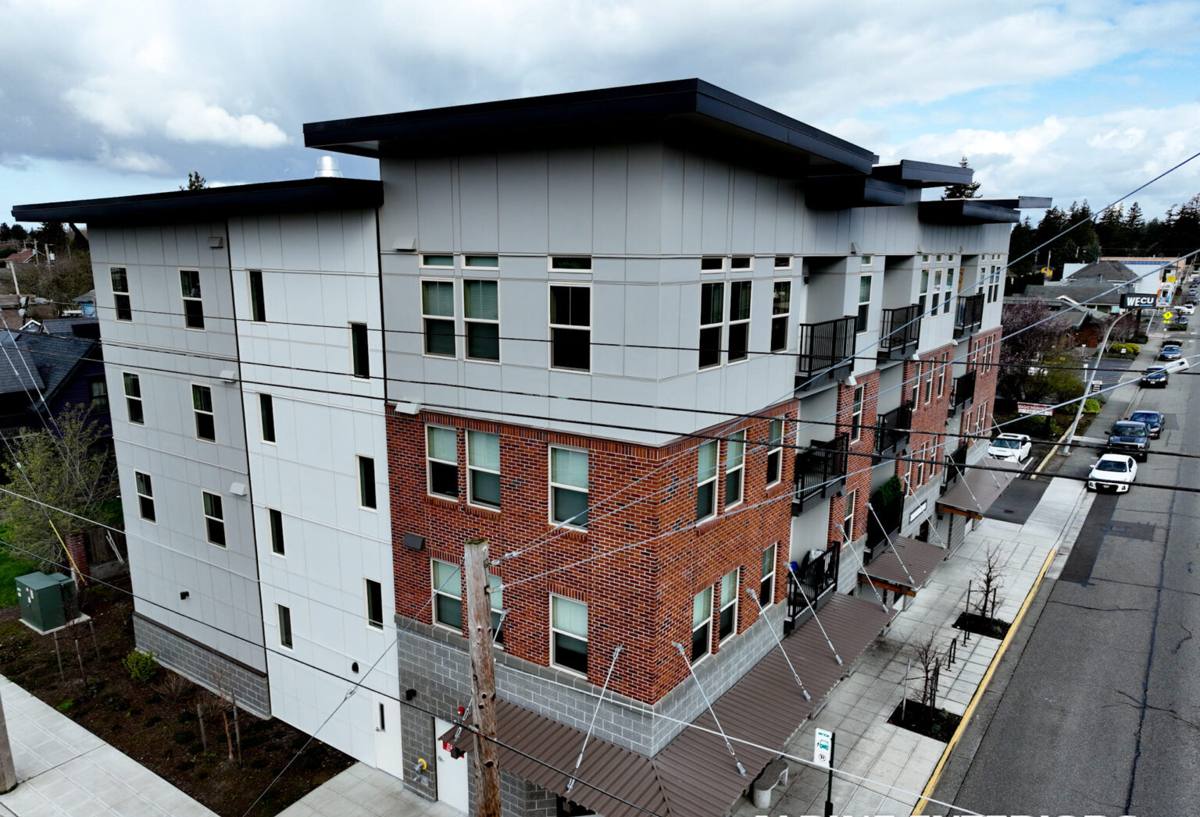
What Fidalgo Island Homes Actually Need From Their Siding
Moisture Management First
The single biggest factor in how long a siding job lasts on the island is what happens behind the siding, not what it looks like on the surface. A correctly installed water-resistive barrier, properly lapped and sealed at every penetration, is what keeps driving rain from working its way into the wall assembly over years of exposure. Flashing at windows, doors, and any horizontal trim needs to shed water outward, not funnel it toward the sheathing.
Material That Won't Absorb and Hold Water
Siding that absorbs moisture and slowly releases it — rather than shedding water outright — is a poor match for a marine, shaded, rain-heavy site. Materials prone to swelling, delaminating, or holding moisture against their surface will age faster here than in a drier part of the state, and repairs on a house surrounded by mature trees and salt air are more disruptive and more frequent.
A Finish That Resists Moss and Salt Staining
Bare or field-painted surfaces are more vulnerable to moss establishing in seams, laps, and textured surfaces, and salt air accelerates fading and chalking on lower-grade paint jobs. A factory-applied finish that's baked on and warrantied against fading holds its color and sheds moss growth far better than a job painted on site after installation.
Why We Install Only James Hardie Fiber Cement
We don't install vinyl siding, LP SmartSide, Cemplank, Allura, primed spruce, or cedar. That's a deliberate standard, not a lack of options. Each of those products has legitimate uses somewhere, but none of them holds up to the specific combination of salt air, sustained moisture, and shade that Fidalgo Island homes face as well as James Hardie fiber cement does when installed to spec.
Fiber cement is non-combustible and dimensionally stable — it doesn't expand, contract, warp, or absorb water the way wood-based products can. Hardie's ColorPlus factory finish is baked on under controlled conditions, which gives it far better fade and moss resistance than field-applied paint, and it comes with its own finish warranty separate from the product warranty. Hardie's HZ5 product line is specifically engineered for climates with sustained moisture and temperature swings like the Pacific Northwest, which is exactly the profile of a marine-exposed island site.
None of this means other products are worthless. Vinyl is inexpensive and easy to install. Engineered wood products can look good when new. Cedar has a real appeal for homeowners who want a natural look. But on a site with this much combined exposure — salt, rain, and moss — we've made the call that fiber cement is what we're willing to warranty our installation work on, and it's the only product line we put on a house.
What a Correct Installation Looks Like
- Tear-off and inspection. Old siding comes off and the sheathing underneath gets inspected for rot, soft spots, or prior water damage before anything new goes up.
- Repair before cover. Any damaged sheathing or framing gets repaired. Covering a problem instead of fixing it just hides it until it's worse and more expensive.
- Water-resistive barrier. A new weather barrier is installed with correct shingle-style lapping so water is directed down and out, never trapped behind the siding.
- Flashing at every penetration. Windows, doors, hose bibs, vents, and any horizontal trim get flashed to shed water away from the wall assembly.
- Hardie installation to manufacturer spec. Correct fastener type and spacing, correct nailing pattern, proper gaps at butt joints, and factory-recommended clearances above grade, decks, and roof lines.
- Caulking and sealant at the right joints only. Over-caulking traps moisture; under-caulking lets it in. Getting this balance right is part of installing to spec, not an afterthought.
- Final inspection and cleanup. A walk-through checking trim lines, fastener pattern, and site cleanup before the job is called done.
Comparing Siding Options for a Fidalgo Island Site
| Factor | Vinyl | Engineered Wood (LP-type) | Cedar | James Hardie Fiber Cement |
|---|---|---|---|---|
| Moisture resistance in marine climate | Doesn't absorb water, but can warp/buckle with heat and impact | Vulnerable to moisture intrusion at cut edges and seams | Absorbs and releases moisture; needs consistent upkeep | Engineered for sustained moisture exposure (HZ5) |
| Salt air / coastal durability | Can become brittle over time | Moderate; finish wears faster in salt exposure | Needs frequent refinishing near saltwater | Strong track record in coastal and marine settings |
| Moss and mildew resistance | Moderate; seams can trap growth | Moderate | Lower; porous surface favors growth | Factory finish resists moss establishment |
| Finish longevity | Color molded in, can fade | Field or factory paint varies | Field-applied, needs recoating | Factory-baked ColorPlus with separate finish warranty |
| Fire resistance | Combustible | Combustible | Combustible | Non-combustible |
Our Process for Fidalgo Island Projects
Because we already work sites across Anacortes and the surrounding Skagit County shoreline, we plan around the specific exposure each home faces — a wall facing open water gets treated differently than a shaded, tree-covered wall on the same house. That starts with an on-site assessment of sun exposure, wind direction, tree cover, and any visible signs of past moisture damage, followed by a written estimate that spells out product line, color, and scope before any work begins.
During installation, we sequence work to limit how long sheathing sits exposed to the elements, which matters more here than in a drier inland location. We also flag anything we find once old siding comes off — rot, prior water intrusion, or inadequate flashing — before covering it back up, so there are no surprises buried behind new siding.
What to Look for When Hiring for This Kind of Job
- Experience specifically with marine and shoreline-exposed installations, not just general siding work
- A written scope that names the exact Hardie product line, plank exposure, and color — not just "fiber cement siding"
- A clear explanation of how flashing and the water-resistive barrier will be handled, before work starts
- Manufacturer certification or documented training on correct Hardie installation methods
- A warranty that covers installation labor separately from the manufacturer's product warranty
- Willingness to show fastener spacing, clearances, and joint treatment as work progresses, not just the finished look
Maintenance and What to Expect After Installation
Correctly installed Hardie siding is low-maintenance compared to wood-based alternatives, but "low-maintenance" doesn't mean "no maintenance" on a site like this. An annual walk-around to check for debris buildup at the base of walls, moss establishing in shaded corners, and caulking integrity at trim joints goes a long way toward protecting the installation. Keeping tree branches and shrubs from holding moisture directly against the siding also matters more here than it would on an open, sun-exposed lot.
James Hardie's product warranty and the ColorPlus finish warranty are both transferable, which matters to Fidalgo Island homeowners thinking about resale — a documented, warrantied installation is a selling point in a market where buyers increasingly ask about exterior condition and moisture history.
Ready to Talk About Your Fidalgo Island Home
If you're weighing a siding replacement on Fidalgo Island, we're happy to walk the exterior with you, point out what the salt air, rain exposure, and moss have already done to your current siding, and lay out honestly what a correct Hardie installation would involve for your specific house. There's no pressure and no cost to get an estimate — just fill out the form below and we'll set up a time to come take a look.