 Anacortes Siding
 Windows on Fidalgo Island Face a Different Set of Conditions
Fidalgo Island sits surrounded by saltwater, which means every home on it deals with a version of weather that inland Skagit County homes simply don't. Wind off the water carries salt onto siding, trim, and glass. Rain doesn't just fall here — it drives sideways during winter storms, finding any gap in flashing or sealant. And for a good stretch of the year, moss and mildew take hold on anything shaded and damp, including window trim and sills. Windows are one of the hardest-working parts of a house in this environment, and how they're installed matters as much as what brand they are.
A window that's a good fit for a dry inland climate can underperform on Fidalgo Island if it isn't installed with this exposure in mind. This page covers what local homes actually need from a window installation, what a correct job looks like, and how we approach it.
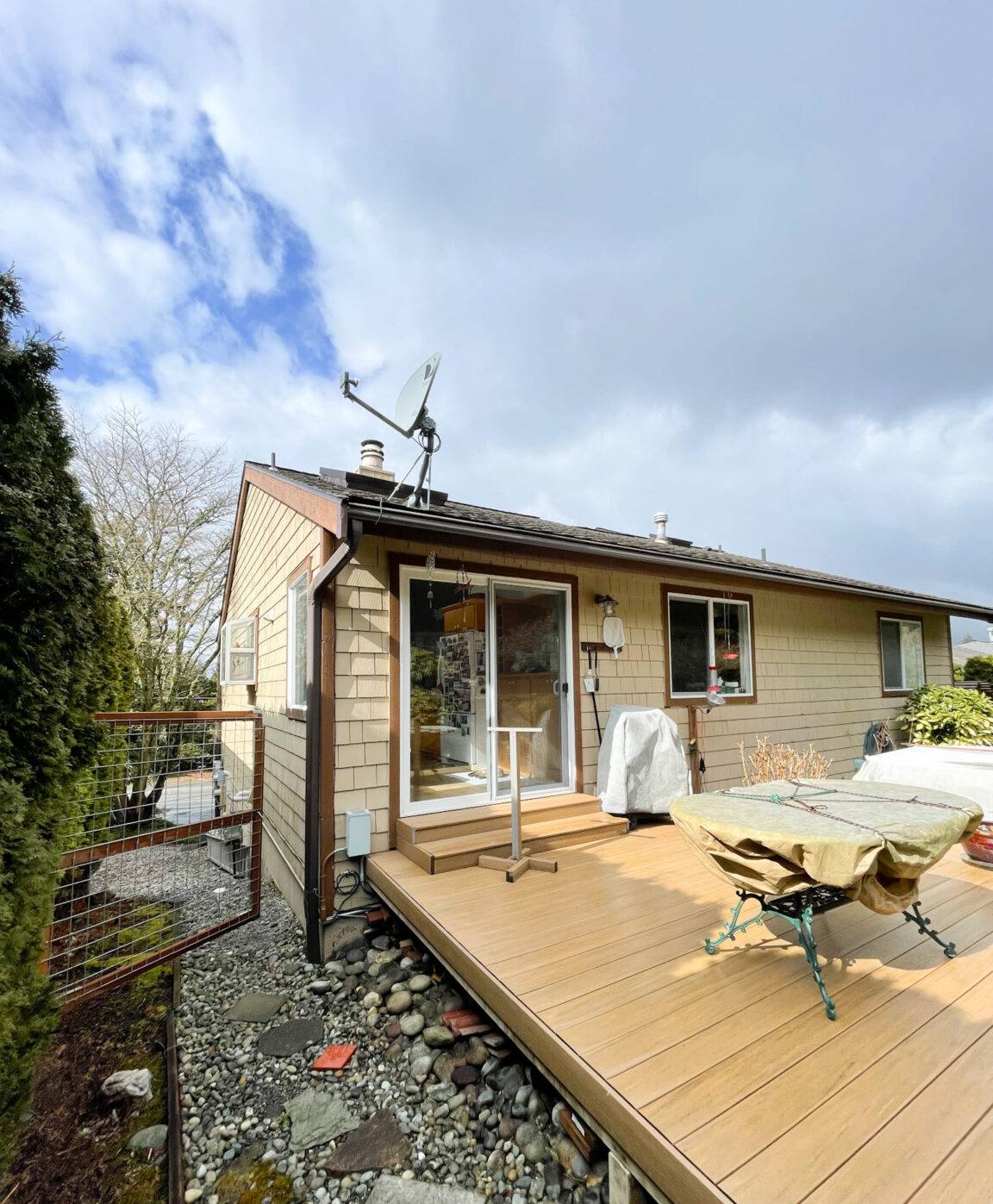
What Salt Air, Rain, and Moss Do to a Window Over Time
Salt and Metal Hardware
Salt in the air settles on everything, including the hinges, locks, balances, and screen frames built into a window. Over years, that salt accelerates corrosion on lower-grade hardware, making windows stiff to operate or causing locks to bind. It also breaks down some finishes faster than a manufacturer's standard climate testing accounts for.
Driving Rain and Water Intrusion
Wind-driven rain doesn't behave like a normal rainstorm. It pushes water horizontally and even slightly upward under eaves and around window edges. If flashing, sealant, or the water-resistive barrier behind the trim isn't installed correctly, water finds its way behind the frame instead of running off it. That's how you end up with hidden rot inside a wall years before it ever shows up as a visible stain.
Moss and Trapped Moisture
Anacortes gets a long wet season, and shaded, north-facing, or tree-covered parts of a house grow moss readily. Moss on or near a window sill holds moisture against the wood and paint longer than open air would, which speeds up rot in wood sills and trim even when the window unit itself is sound.
Signs a Fidalgo Island Home Needs Window Replacement
Not every issue means a full replacement, but these are the signals worth taking seriously in this climate:
- Noticeable drafts around the frame, especially during winter storms
- Fogging or a hazy film between panes of a double-pane window — a sign the seal has failed
- Wood sills or trim that feel soft, spongy, or show visible rot
- Windows that are hard to open, close, or lock, or that no longer stay open on their own
- Persistent moss, mildew, or black staining around the frame that keeps coming back
- Exterior caulking that's cracked, shrunk, or pulled away from the trim
- A noticeable jump in heating costs with no other explanation
What a Correct Window Installation Involves in This Climate
Swapping an old window for a new one is the easy part. What determines whether that window lasts twenty-plus years on Fidalgo Island is the water management behind the trim — the parts nobody sees once the job is done.
A correct installation includes a properly formed sill pan to direct any water that gets past the frame back outside instead of into the wall cavity, flashing tape integrated with the house's existing water-resistive barrier (not just caulked over the top of it), sealants rated for sustained marine and coastal exposure rather than general-purpose caulk, and careful shimming so the frame is square and doesn't rely on the sealant to hold its shape. Gaps around the frame get insulated, not just stuffed, so the window performs the way it's rated to.
Frame Material Considerations for Coastal Exposure
Frame material matters more here than it does twenty miles inland. Some materials shrug off salt air and moisture with almost no upkeep; others need more attention to hold up.
| Frame Material | Moisture & Salt Resistance | Maintenance Needs | Typical Fit for Fidalgo Island |
|---|---|---|---|
| Vinyl | Good — won't rot or corrode | Low; occasional rinse to clear salt film | Solid, budget-friendly default for most homes |
| Fiberglass | Very good — stable in temperature and moisture swings | Low | Strong option for exposed, water-facing walls |
| Wood / Wood-Clad | Moderate — exterior cladding helps, but exposed wood needs protection | Higher; painted or stained surfaces need regular upkeep | Works best with a durable exterior clad and diligent maintenance |
| Aluminum | Lower — prone to corrosion and condensation in marine air | Moderate | Not something we recommend for direct coastal exposure |
We don't push one material on every home. The right choice depends on which side of the house the window sits on, how much direct weather it takes, and what the homeowner wants to maintain over time.
Our Window Installation Process
1. On-Site Assessment
We look at each window in context — sun and wind exposure, existing signs of water damage, trim condition, and how the opening is currently flashed. This is where we catch problems that a quote based on photos alone would miss.
2. Removal and Opening Prep
Old windows come out carefully to avoid unnecessary damage to surrounding siding or trim. We check the framing underneath for rot or moisture damage before anything new goes in — installing a new window over a compromised opening just hides the problem.
3. Flashing and Sealing
This is the step that determines long-term performance. Sill pans, flashing tape, and sealant get integrated with the existing wall assembly so water is directed out, not trapped in.
4. Installation and Insulation
The window is set, shimmed square and plumb, fastened per manufacturer specs, and the gap around the frame is properly insulated.
5. Final Inspection and Cleanup
We check operation, seal lines, and exterior trim work before we consider the job done, and we clean up the site — old windows, packaging, and debris don't get left for the homeowner to deal with.
What Affects the Cost of Window Installation
Every home is different, and we'd rather give an honest on-site estimate than a number that doesn't hold up. That said, these are the main factors that move the price up or down:
| Factor | Why It Matters |
|---|---|
| Frame material | Vinyl, fiberglass, and wood-clad windows carry different material and labor costs |
| Window size and style | Custom shapes, large picture windows, and casement or awning styles take more labor than standard double-hung sizes |
| Number of windows | Whole-house projects typically cost less per window than one-off replacements |
| Old window removal and disposal | Hauling and disposal fees vary by material and volume |
| Structural or rot repair | Damaged framing or sills found during removal add time and material before the new window can go in |
| Access | Second-story or hard-to-reach windows take more setup and labor time |
We'd rather flag a rot repair honestly during the estimate than surprise a homeowner mid-project.
Why Hiring a Crew That Already Works Fidalgo Island Matters
A contractor who mostly works drier, inland parts of Skagit County can still do a technically fine window installation — but they may not think to ask which side of the house takes the worst of the wind-driven rain off the water, or plan around the months when moss and wet weather make certain repairs harder to do right. Crews familiar with this island know which details of an installation actually matter here versus which ones are just extra steps that don't change the outcome, and they know how salt air and moisture affect different products over the years, not just on installation day.
That kind of familiarity shows up less in the sales pitch and more in the parts of the job nobody sees — the flashing, the sealant choice, the way the sill is pitched to shed water.
Caring for New Windows After Installation
Even a well-installed window benefits from a little seasonal attention in this climate:
- Rinse exterior glass and frames periodically to clear salt residue before it builds up
- Keep weep holes at the base of the frame clear of debris so water drains as designed
- Brush moss or algae off nearby trim and siding before it spreads onto the window frame itself
- Check exterior caulking each fall, before the wet season sets in, and touch up any cracks
- Operate locks and hardware a few times a season so they don't stiffen up from disuse
None of this takes much time, but it's the difference between windows that look and perform well for decades and ones that need attention sooner than they should.
If you're noticing drafts, fogged glass, or trim trouble around your windows, we're happy to take a look and walk through your options. Reach out for a free, no-pressure estimate — we'll assess your home's specific exposure and give you a straight answer on what it needs.