 Anacortes Siding
 Siding Built for Life on Guemes Island
Guemes Island sits right in the path of Salish Sea weather — salt-laden air off the water, driving rain that comes in sideways more often than straight down, and a moss and algae season that stretches longer here than it does just a few miles inland in Anacortes. Homes on the island take a steady beating from all three at once, and it shows up faster on the wrong siding material than most homeowners expect. A siding installation here isn't just about picking a color and nailing up boards. It's about choosing a product and an installation method that can actually stand up to a marine environment year after year.
We install James Hardie fiber cement siding exclusively, and Guemes Island is exactly the kind of environment that job was designed for. Below is what local homes actually need from a siding installation, what correct work looks like in this climate, and why the details matter more here than they do in a typical inland neighborhood.
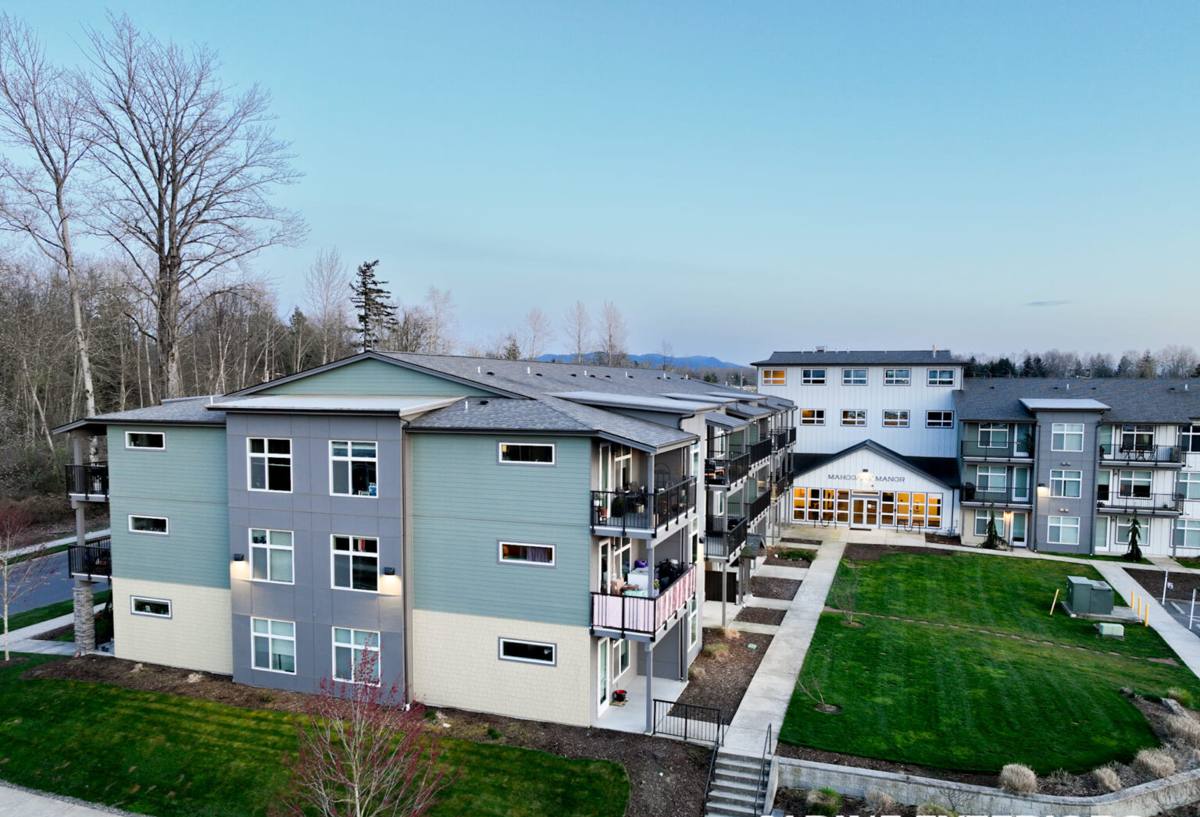
What Salt Air, Rain, and Moss Actually Do to Siding
Salt Air and Airborne Moisture
Homes close to the water pick up fine salt particulate in the air, which settles on exterior surfaces and accelerates corrosion of fasteners, trim metal, and any coating that isn't formulated to resist it. Over time, salt exposure can dull finishes, pit softer metals, and work its way into small gaps and seams faster than it would on a home set back from the shoreline.
Driving Rain and Wind-Driven Moisture
Guemes Island gets exposed to wind off open water, which means rain doesn't just fall — it's pushed sideways into wall assemblies with real force. Siding systems that rely on tight tolerances or non-rigid materials to keep water out tend to struggle here, because wind-driven rain finds any weak seam, gap, or improperly lapped joint and pushes moisture behind the cladding instead of shedding it.
Moss and Algae Season
Shade, moisture, and mild temperatures combine to give this part of Skagit County a long window for moss and algae growth on north-facing and shaded walls. Siding that stays damp longer, or that has a porous or absorbent surface, gives moss more to hold onto. That growth isn't just cosmetic — trapped moisture under moss and algae mats can accelerate surface degradation over time.
Why We Standardize on James Hardie for This Climate
James Hardie fiber cement is engineered specifically to handle the conditions above. It's non-combustible, dimensionally stable, and manufactured in HZ5 formulations designed for the wetter, more humid climate zones of the Pacific Northwest — as opposed to the drier HZ10 formulation sold in other regions of the country. That distinction matters: a product engineered for a dry climate and installed in a marine environment like Guemes Island will behave differently over the long run than one engineered for exactly this kind of exposure.
The factory-applied ColorPlus finish is baked on under controlled conditions and backed by its own finish warranty, which holds up better against salt air and UV exposure than field-applied paint. Because the substrate is fiber cement rather than wood-based or vinyl, it doesn't warp, rot, or become brittle in cold, damp conditions the way some alternative products can over time.
What a Correct Installation Involves Here
Fiber cement siding performs exactly as well as it's installed — and in a high-exposure environment like Guemes Island, installation quality matters even more than usual. A correct job includes:
- A properly lapped, continuous water-resistive barrier behind the siding, with all penetrations flashed before boards go up
- Correct fastener type and spacing for the local wind exposure, driven to manufacturer spec — not overdriven or underdriven
- Proper gapping at butt joints, trim, and penetrations, sealed with a sealant rated for the movement and exposure involved
- Starter strips and flashing details at the foundation line to keep splash-back and ground moisture away from the bottom course
- Kick-out flashing at roof-to-wall intersections, a detail that's easy to skip and one of the most common sources of hidden water damage
- Field-cut edges primed or sealed before installation, since raw cut edges are more vulnerable to moisture intrusion
Skipping any one of these doesn't usually cause an obvious problem in year one. It shows up two, five, or ten years later as trapped moisture, staining, or premature wear — exactly the kind of slow failure that's expensive to trace back to an installation shortcut.
Our Process for a Guemes Island Siding Project
- On-site assessment — we walk the exterior, check the condition of the existing wall assembly, and look specifically for signs of moisture damage common to island exposure: soft trim, staining under windows, or moss buildup on shaded walls
- Scope and estimate — a clear breakdown of what's included, what siding line and profile fits the home, and an honest accounting of anything the assessment turned up
- Material staging — because supply runs to the island involve a ferry crossing, we plan material delivery and staging in advance rather than making incremental trips mid-project
- Removal and prep — old siding comes off, the sheathing gets inspected, and any water-damaged framing or sheathing is addressed before anything new goes on
- Water-resistive barrier and flashing — the parts of the job nobody sees once it's done, and the parts that matter most in this climate
- Hardie installation — installed to manufacturer spec for fastening, gapping, and sealing, appropriate to the wind exposure of the site
- Final walkthrough — trim, caulking, and touch-up finished, with a walkthrough so the homeowner knows what basic maintenance to expect going forward
Working on an Island: Logistics That Affect the Job
Anacortes crews doing a one-off job on Guemes Island for the first time often underestimate how much ferry scheduling shapes a project's timeline. Every load of material, every disposal run, and every extra trip for a forgotten item has to work around the ferry schedule instead of a quick drive down the road. That means a project planned without accounting for island logistics tends to run into avoidable delays — extra days added not because the work is harder, but because nobody planned the trips.
A crew that already works Guemes Island regularly plans material orders, dumpster or disposal logistics, and crew scheduling around the ferry from the start, which keeps the project moving at the pace it was quoted at.
What Drives Cost on a Guemes Island Siding Job
| Cost Factor | Why It Matters Here |
|---|---|
| Home size and wall complexity | More corners, gables, and trim details mean more cutting, flashing, and labor time |
| Existing siding removal | Tear-off and disposal add time, especially if old material is heavier or requires careful handling |
| Sheathing or framing repair | Any water damage found during removal needs to be repaired before new siding goes on |
| Ferry-dependent logistics | Material delivery and disposal runs need to be scheduled around ferry sailings, which affects project sequencing |
| Trim and detail work | Homes with more windows, dormers, or architectural detail require more precise flashing and cutting |
| Siding profile and color | Lap width, shingle-style panels, and ColorPlus color selections vary in material and labor cost |
We give a straightforward, itemized estimate after the on-site assessment rather than a rough number over the phone, since so much of the real cost depends on what's actually behind the existing siding.
Maintaining Hardie Siding in a Marine Environment
Fiber cement is low-maintenance compared to most alternatives, but "low-maintenance" isn't "no-maintenance" — especially with the moss and salt exposure common on Guemes Island. A short annual routine keeps siding performing the way it's supposed to:
- Rinse the exterior annually with a garden hose and soft brush to clear salt residue, especially on walls facing open water
- Check shaded, north-facing walls for early moss or algae growth and address it before it builds into a mat
- Inspect caulking at trim, windows, and penetrations yearly, and re-caulk any joints that have opened up or cracked
- Keep gutters clear so overflow doesn't run down the wall face and create a constant damp strip
- Trim back vegetation and tree cover that keeps a wall section shaded and damp longer than the rest of the house
Why Hiring a Crew That Already Works Guemes Island Matters
A siding contractor who mostly works mainland Skagit County neighborhoods can still do competent work, but a crew that already works Guemes Island regularly brings something else to the table: they've already seen how the marine exposure on this specific island behaves on real homes, they've already worked out the ferry logistics so the project doesn't lose days to poor planning, and they're not learning those lessons on your house. That familiarity shows up in fewer surprises, a more realistic timeline, and installation choices — flashing details, fastener selection, sealant type — that are already tuned to this environment instead of generic to the trade.
If you're planning a siding replacement or new installation on Guemes Island, we're happy to walk the property, take a real look at what the current siding and wall assembly are dealing with, and put together a straightforward estimate. There's no pressure and no obligation — just an honest look at what your home actually needs.