 Anacortes Siding
 Window Replacement Built for a Guemes Island Climate
Guemes Island sits just off Anacortes in Skagit County, and while it's only a short ferry ride from the mainland, its windows live a harder life than most people expect. Homes here take on salt-laden air blowing straight off the water, long stretches of driving rain, and a shade-and-moisture pattern that keeps moss and algae active most of the year. None of that is dramatic on its own, but stacked together over a decade or two, it's exactly the combination that finds every weak point in a window installation — the seal that was caulked instead of flashed, the aluminum frame that was never rated for coastal exposure, the sill that was never given a way to drain.
A window replacement on Guemes Island isn't a different product than what we'd install anywhere else in the Anacortes area. It's the same good windows, installed with more attention to the details that matter here: flashing sequence, frame material, and how water is meant to leave the opening once it gets in — because on an island, it always eventually gets in.
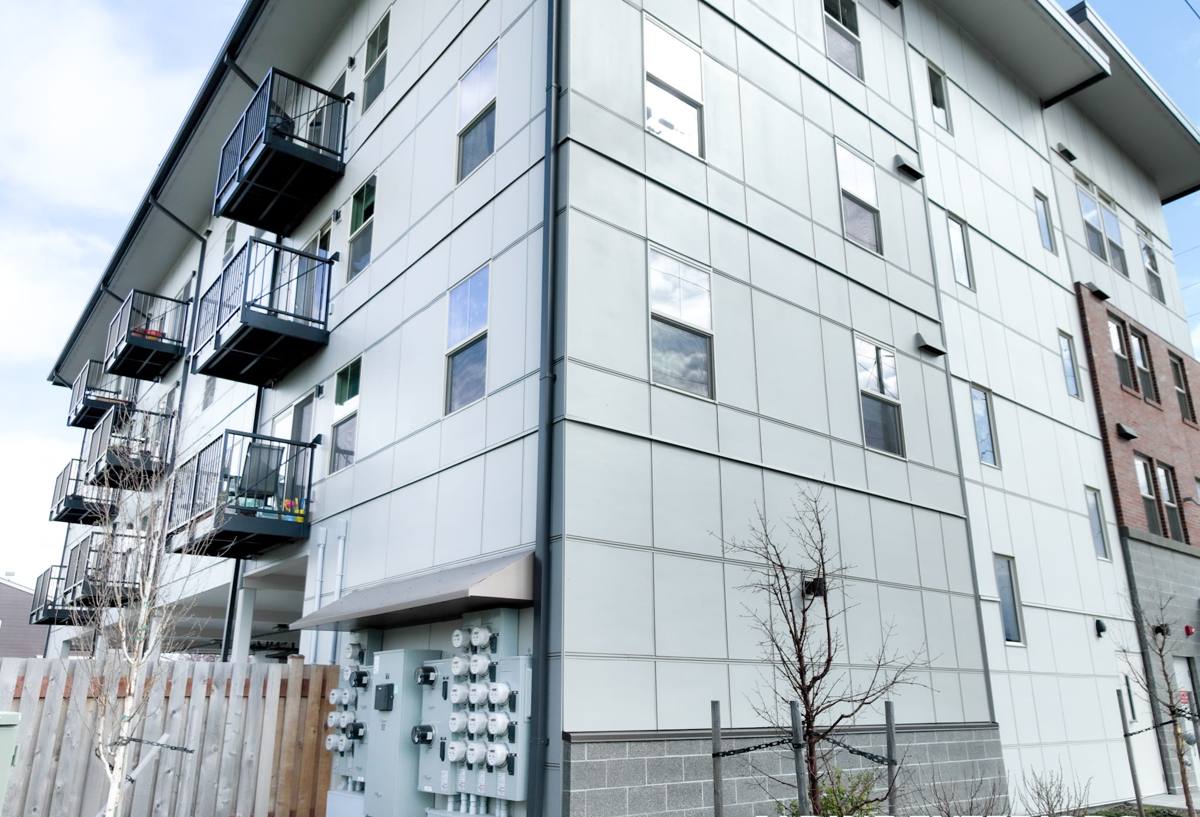
Why Windows Wear Out Faster Here
Salt Air and Corrosion
Airborne salt is corrosive to a lot of the hardware inside a window that homeowners never see — balance springs, cranks on casement windows, screen frames, and especially any exposed fasteners or trim that isn't stainless or coated for marine exposure. On a typical inland install, cheaper hardware might last the life of the window. Close to the water on Guemes Island, it can start failing years before the glass or frame do.
Wind-Driven Rain
Rain that falls straight down is easy to shed. Rain that's being pushed sideways by wind off the water is a different problem — it finds its way under trim, behind poorly lapped flashing, and into any gap that a calmer climate would never test. Windows on more exposed sides of a home here need a flashing and sealant approach that assumes the rain is coming in sideways, not just down.
Moss and Shade
Between tree cover and the marine layer, many parts of the island stay damp and shaded longer through the year than you'd see further inland. That keeps moss and algae active on siding, trim, and window sills, and it keeps wood surfaces wet for longer stretches. Wood-frame windows without a durable, well-maintained finish take the brunt of this — moss holds moisture against the frame, and that moisture is what eventually causes rot at corners and sills.
Signs a Guemes Island Home Needs Window Replacement
- Soft or spongy wood at the sill or bottom corners of the frame
- Fogging or a hazy look between the panes of a double-pane window — the seal has failed
- Windows that are hard to open, close, or lock, especially on sides facing the water or prevailing wind
- Visible daylight or a draft around the frame when the window is shut
- Moss or dark staining building up on the sill or exterior trim faster than the rest of the siding
- Condensation or moisture collecting on the interior glass or frame during colder, wetter months
- Peeling paint or finish on the window's exterior trim that keeps coming back after repainting
Any one of these can be a minor fix. Several together, especially on the weather-facing side of a home, usually means the window and its surrounding flashing are past the point where patching makes sense.
What a Correct Job Actually Involves
Swapping in a new window is the easy part. What determines whether it lasts is everything around it:
Removal and Inspection
Once the old window is out, the framing underneath gets a real look — not a glance. On a coastal, moss-prone site like this one, it's common to find some degree of moisture damage to the framing or sheathing that wasn't visible from outside. That needs to be addressed before a new window ever goes in, or the new install just repeats the same failure on a delay.
Flashing, Not Just Caulk
Caulk is a backup, not a strategy. A correct install builds a shingled flashing system — sill pan, side flashing, head flashing — so that any water that gets past the window sheds back out and down, the way water is supposed to move on a wall exposed to wind-driven rain. This is the single most common shortcut we see undone on older installs, and it's the one that matters most in this climate.
Frame Material Suited to Exposure
Which side of the house a window is on changes what we'd recommend. A window facing prevailing wind and salt spray benefits from a different frame choice than one tucked under an eave on a sheltered side. We'll walk through that with you rather than installing the same thing everywhere out of convenience.
Insulation and Air Sealing
The gap between the new frame and the rough opening gets properly insulated and air-sealed — not stuffed with excess spray foam, which can bow a frame, and not left with gaps, which undoes the energy benefit of the new window entirely.
Comparing Frame Materials for This Climate
| Frame Material | How It Handles Salt Air & Moisture | Maintenance | Typical Fit |
|---|---|---|---|
| Vinyl | Won't corrode or rot; handles damp, salty air well | Low — occasional cleaning | Most homes, most exposures |
| Fiberglass | Very stable in temperature swings and moisture; strong against coastal wear | Low | High-exposure walls facing wind and water |
| Wood / Wood-Clad | Needs a well-maintained exterior finish or cladding to resist moss and moisture damage | Higher — finish upkeep matters here | Homes prioritizing a traditional wood interior look |
| Aluminum | Prone to corrosion and condensation in salt air unless marine-rated | Moderate to high | Limited use; we'll flag when it's not the right call |
There's no universally "best" material — there's a best match for the wall it's going into. We'd rather explain that trade-off honestly than push one product because it's easier to stock.
Our Process for Guemes Island Projects
Working on the island means planning around the ferry, so we build that into scheduling rather than treating it as a surprise. Typical steps:
- On-site assessment: we look at the actual windows in question, note exposure (weather side vs. sheltered side), and check the condition of the surrounding framing where possible.
- Written proposal: materials, frame recommendation by location, and a clear scope — what's being replaced and what isn't.
- Scheduling: because every trip involves the ferry, we group Guemes Island jobs efficiently and confirm timing in advance so a crew isn't making multiple partial trips for one project.
- Installation: removal, framing inspection and repair as needed, flashing, new window set, insulation, and interior/exterior trim finish.
- Walkthrough: operation, locking, and drainage checked with you before we call it done.
What Affects the Cost
| Factor | Why It Matters |
|---|---|
| Number and size of windows | Bigger openings and more units mean more material and labor |
| Frame material chosen | Vinyl, fiberglass, and wood-clad carry different material costs |
| Condition of existing framing | Rot or moisture damage found during removal adds repair scope |
| Exposure and access | Weather-side windows and harder-to-reach openings take more care and time |
| Trim and finish work | Matching existing interior/exterior trim adds finishing labor |
We'd rather give you a real range after seeing the windows in question than a number that doesn't hold up once we're on site. Broadly, a straightforward single-window replacement costs less than a job that turns up hidden framing repair — which is exactly why the inspection step matters.
Why Hire a Crew That Already Works This Island
A lot of the mistakes we get called to fix on Guemes Island homes weren't caused by bad windows — they were caused by an install that didn't account for where the house sits. A crew that mostly works inland jobs may not think twice about skipping a sill pan or using a standard aluminum trim detail, because on a sheltered inland lot, it might hold up fine for years. On a wind-exposed or moss-prone Guemes Island wall, the same shortcut shows up as a problem much sooner.
Working this area regularly also means we're not guessing at logistics — ferry timing, material staging, and grouping the work efficiently so you're not paying for a crew's travel inefficiency. That's less about convenience and more about doing the job right the first time, in the climate it actually has to survive in.
Getting Started
If you're dealing with drafty, foggy, or failing windows on Guemes Island, we're glad to come take a look and walk through what we find — no pressure, no hard sell. Use the form below to request a free estimate, and we'll work with you on scheduling around the ferry.