 Anacortes Siding
 Storm Damage Roof Repair for La Conner Homes
La Conner sits right where the Skagit River delta meets the Swinomish Channel, with open water and flat farmland on nearly every side. That geography is part of what makes the town beautiful, and it's also exactly why roofs here take a harder beating than roofs just a few miles inland. Wind off the channel doesn't have hills or dense tree cover to slow it down before it hits a roofline. When a storm blows through Skagit County, La Conner is usually one of the first places to feel it and one of the last to fully dry out afterward.
If you've had a windstorm rip through, a tree limb come down, or you've simply noticed a leak start after a bad night of weather, this page walks through what storm damage actually looks like on a La Conner roof, how a proper repair is done, and what to expect if you call us out to take a look.
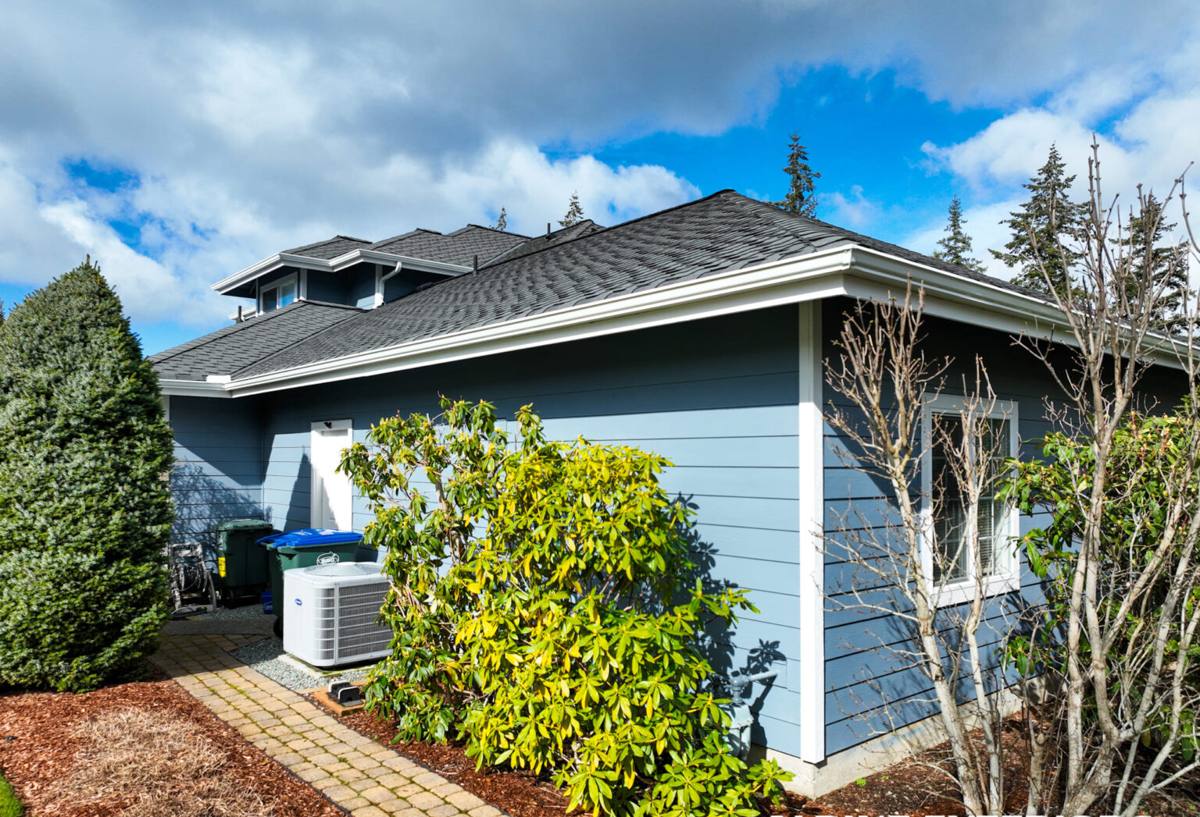
Why This Climate Is Hard on Roofs
Three things work together against roofing materials in this part of Skagit County, and they don't let up for long stretches of the year.
Salt Air and Moisture
Homes close to the channel and the Sound get a steady dose of salt-laden air. Over time that accelerates corrosion on exposed metal — flashing, fasteners, gutter hardware — well before it would fail on a roof further from the water. It also keeps roofing surfaces damp longer after a rain, which feeds the next problem.
A Long Moss Season
Western Washington's wet season stretches from fall through spring, and shaded or north-facing roof slopes in La Conner can stay damp for weeks at a time. That's ideal growing conditions for moss and algae, which hold moisture against shingles, lift tabs as they spread, and work their way under flashing edges if left unchecked.
Driving Rain and Wind-Driven Water
Storms coming off the water don't just drop rain straight down — wind pushes it sideways, up under shingle edges and into any gap in flashing or trim. A roof that would shed a calm rain just fine can leak badly in a wind-driven storm if a seal or lap is even slightly compromised.
What Actually Counts as Storm Damage
Not every roof problem that shows up after a storm was caused by that storm — and knowing the difference matters, especially if you're filing an insurance claim. Here's what we're actually looking for during a storm damage inspection.
Wind Damage
Lifted, creased, or torn shingle tabs. Shingles that look fine from the ground but no longer lie flat. Missing ridge cap pieces. Fasteners backed out just enough to break the seal strip. Wind damage is often more extensive than it looks from the yard, which is why we get on the roof rather than guess from a photo.
Impact Damage
Fallen branches and wind-thrown debris can dent metal flashing, crack shingle mat, or punch straight through in a bad hit. Gutters and downspouts take impact damage too, and a crushed or pulled-loose gutter run will dump water somewhere it shouldn't go.
Water Intrusion You Can't See From the Ground
This is the one that costs homeowners the most if it's missed. Wind can separate flashing at a chimney, wall, or skylight just enough to let water in without any obvious hole. The first sign is often a stain on an interior ceiling weeks later, by which point insulation and sheathing underneath may already be wet.
How We Handle a Storm Damage Repair
Inspection and Documentation
We start on the roof, not from the driveway. We check every slope, all flashing points, and the attic if it's accessible, and we photograph anything relevant. If this is going to an insurance claim, this documentation is what supports it — clear photos of the actual damage, not a generic estimate.
Stopping Further Damage First
If a roof has an active leak or exposed decking, the priority is to stop water from getting in further before anything else happens. That might mean a tarp or temporary patch over an exposed area. This step isn't the fix — it's what keeps a bad problem from becoming a much worse and more expensive one while a permanent repair is scheduled.
Scoping the Real Repair
Once we know the extent of the damage, we give you a plain-language scope: what's damaged, what needs to be replaced, what can be repaired in place, and roughly what that will cost. We'll tell you honestly if a full slope replacement makes more sense than patching a section that's already near the end of its service life — and we'll tell you just as honestly when a patch repair is the right call and a full replacement isn't necessary.
The Repair Itself
Matching materials as closely as possible to what's already on the roof, resealing and reflashing properly rather than just caulking over a gap, and confirming the repair sheds water correctly before we call it done.
Repair or Replace? What Actually Drives the Decision
This is one of the most common questions after a storm, and the honest answer is "it depends on more than just the storm damage itself." Here's what we weigh.
| Factor | Leans Toward Repair | Leans Toward Replacement |
|---|---|---|
| Age of existing roof | Roof is under 10-12 years old | Roof is already near or past its expected service life |
| Extent of damage | Isolated to one slope or section | Multiple slopes affected, or damage found throughout during inspection |
| Underlying condition | Decking and underlayment are dry and sound | Wet insulation, soft decking, or widespread moss/algae damage found underneath |
| Material availability | Matching shingles or panels are still available | Original material is discontinued and a visible mismatch is unavoidable |
| Insurance scope | Claim covers a defined repair area | Adjuster's scope already calls for full slope or full roof replacement |
We'll walk you through where your roof actually falls on this table rather than defaulting to the most expensive option. A repair that's done correctly and matched well can be the right call far more often than people expect.
Materials That Actually Hold Up Here
What we install for a storm repair in La Conner is chosen for this climate specifically, not just whatever is cheapest or fastest to source.
- Shingles — we use products rated for higher wind speeds where the roof's exposure calls for it, since standard-rated shingles are the first thing to lift in a channel-side windstorm.
- Underlayment — synthetic underlayment rather than old-style felt in most repairs, because it holds up better to the extended damp periods this area sees before the finish roofing goes back on.
- Flashing — corrosion-resistant metal at chimneys, walls, and skylights, since standard flashing degrades faster this close to salt air.
- Fasteners — corrosion-resistant fasteners for the same reason. Using standard fasteners here is a common shortcut that shows up as rust streaks and loosened shingles within a few years.
We don't push metal roofing or premium shingle lines on every job. Each has real trade-offs — metal costs more up front but sheds moss better and lasts longer; standard architectural shingles cost less but need more attention to moss and gutter maintenance over their life. We'll tell you honestly which fits your roof, your budget, and how long you plan to stay in the home.
Working With Your Insurance Claim
Most storm damage repairs in this area involve an insurance claim, and there's a right way to handle that process.
We document damage as we find it and provide a straightforward written scope and estimate. What we won't do is inflate a scope to cover costs the storm didn't actually cause, or promise to "make your deductible disappear" — that's not an honest practice, and it can put you at legal risk as the policyholder, not just us. If an adjuster's initial scope looks like it's missing damage we can clearly document, we'll say so and support you in getting that corrected. Beyond that, the claim is between you and your insurer — our job is to give you an accurate, well-documented picture of the roof so that conversation goes smoothly.
Reducing the Odds of a Repeat Repair
A storm repair fixes the damage that already happened. These are the maintenance habits that actually reduce how much damage the next storm does.
- Clean gutters and downspouts at least twice a year — clogged gutters back water up under the roof edge during heavy rain
- Have moss and algae growth treated before it spreads across a full slope, not after
- Trim back branches that overhang the roof, especially anything that could come down in a windstorm
- Check attic ventilation — poor airflow traps moisture that speeds up rot and shortens roof life from underneath
- Get flashing points (chimneys, skylights, wall intersections) checked annually, since these are the most common sources of hidden leaks
- After any significant windstorm, do a visual check from the ground for lifted or missing shingles rather than waiting for a leak to show up
Why It Matters That We Already Work in La Conner
La Conner's older waterfront homes, its newer construction further from downtown, and the farmhouses scattered around the delta all have different roofing needs, and a crew that only occasionally works this stretch of Skagit County won't necessarily know the difference on sight. We're familiar with how wind exposure changes block by block near the channel, what Skagit County's permitting process requires for reroofing versus repair work, and how to match materials on older homes where an exact product match may no longer be manufactured.
During storm season, response time matters too. A roof with active water intrusion doesn't get better while you wait for a crew to drive in from out of the area. Working locally means we can usually get eyes on a damaged roof faster, which is often the difference between a contained repair and a much larger one.
Get a Free, No-Pressure Estimate
If your La Conner home has storm damage — or you just want a roof checked over before the next system rolls in off the water — we're happy to take a look. The estimate is free, there's no pressure to book anything on the spot, and you'll get a straight answer about what your roof actually needs. Fill out the form below to get started.