 Anacortes Siding
 Why Ship Harbor Siding Wears the Way It Does
Ship Harbor sits close enough to the water that homes there take a different kind of beating than a house ten miles inland. Salt-laden air accelerates corrosion on fasteners, trim flashing, and any exposed metal. Driving rain off the strait pushes moisture sideways into seams and laps that would stay dry in a calmer part of Skagit County. And the long, damp shoulder seasons here mean moss and algae get a real foothold on north- and west-facing walls, holding water against the siding surface for weeks at a stretch. None of that is dramatic on its own, but stacked together over a few years, it's exactly the combination that turns a small siding problem into a bigger one if it's ignored.
Siding repair in this neighborhood isn't just about patching a visibly damaged board. It's about understanding why that board failed in the first place, and making sure the repair doesn't just recreate the same failure a season later.
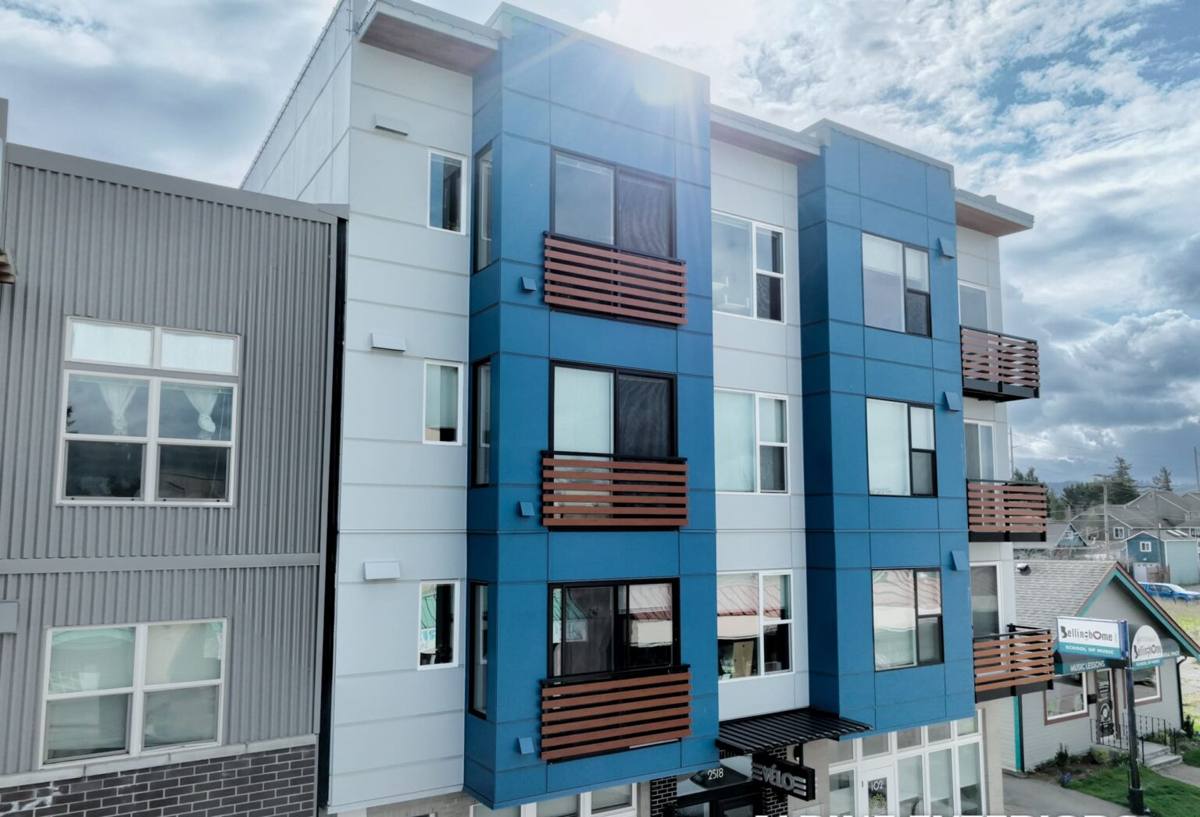
Signs a Repair Is Overdue
Subtle Signs Worth Checking
Most siding problems in Ship Harbor start quietly. Watch for:
- Soft or spongy spots when you press on a board, especially near the bottom courses and around window trim
- Paint or finish that's bubbling, peeling, or chalking unevenly in one area but not others
- Dark streaking or persistent moss growth that comes back within weeks of cleaning
- Small gaps opening up at butt joints, corner boards, or where siding meets trim
- A faint musty smell near an exterior wall inside the house
Signs That Need Attention Now
Some damage shouldn't wait for a routine inspection. Visible cracking or splitting, boards that have pulled away from the wall, staining that's spreading rather than staying put, and any soft sheathing you can feel through the siding are all signs that water has already gotten past the surface. The longer that sits, the more of the wall assembly — sheathing, framing, insulation — ends up involved, and what would have been a straightforward repair turns into a rebuild.
What a Correct Repair Actually Involves
Finding the Real Water Path
Replacing a damaged board without figuring out how water got behind it is a temporary fix at best. A proper repair starts with tracing the actual path — a failed caulk joint, a flashing detail that was never installed correctly, a fastener that backed out and left an entry point, or house wrap that was torn or improperly lapped during the original install. In a marine-exposure area like Ship Harbor, we also check whether wind-driven rain is getting pushed into laps that face the prevailing weather, which sometimes means the fix isn't just the board itself but how the next course above it is lapped and sealed.
Matching the Existing Material
If the home already has James Hardie fiber cement siding, a repair is usually straightforward — cut out the damaged section back to solid material, replace with the same profile and exposure, and refasten and seal to the same spec the rest of the wall was installed to. Matching an existing ColorPlus finish takes some care since factory colors shift slightly over the life of a product line, but a close, durable match is achievable in most cases.
If the home has a different siding material — vinyl, LP SmartSide, cedar, or an older fiber cement product — we'll tell you honestly what your repair options are with that material, and where those options run into trouble. We only install James Hardie, so if a section needs to come out, we replace it with Hardie rather than patching in a mismatched product. On some homes that means a visible transition until the rest of the wall is eventually redone; we'll walk you through that trade-off rather than surprise you with it.
Repair or Replace? How We Make That Call
Not every damaged area means a full re-side, and not every small crack should just be caulked over. The right call depends on how much of the wall is affected, what's underneath, and how the existing material is holding up overall.
| Situation | Repair Usually Makes Sense | Replacement Usually Makes Sense |
|---|---|---|
| Extent of damage | Isolated to one or two boards or a single wall section | Spread across multiple elevations or recurring in the same spots |
| Sheathing condition | Dry and solid once siding is removed | Soft, delaminated, or showing rot behind multiple areas |
| Age of existing siding | Siding is otherwise in good condition and mid-life | Siding is near or past its expected service life |
| Underlying cause | A single identifiable defect (flashing, caulk, fastener) | Systemic issue — wrong product for the exposure, failed original install |
| Material match | Existing material is available and matchable | Existing material is discontinued, mismatched, or not something we install |
We'll always give you a straight answer on which category your situation falls into, including when a repair is genuinely the right, more affordable choice — we don't push replacement on homes that don't need it.
Our Repair Process
Inspection
We start by looking at more than just the obvious damage — the surrounding boards, the trim details, the flashing above windows and doors, and how water is actually moving across that wall during weather from the water side of the property. In Ship Harbor specifically, we pay close attention to the elevations that take the most direct wind and rain.
Diagnosis and Scope
Once we know what's causing the failure, we scope the repair to actually fix it — not just cover it. That might mean pulling a few extra boards beyond the visibly damaged one to check the sheathing, or correcting a flashing detail while the wall is open rather than just swapping the board and moving on.
Execution
Repairs are cut, fitted, and fastened to the same installation standards as new construction — correct fastener type and spacing, proper clearances, and sealed joints where the product calls for sealant. We don't skip steps because it's "just a repair."
Finish Match
Where paint or ColorPlus finish needs to be matched, we handle that as part of the job so the repaired section blends in rather than standing out as an obvious patch.
Managing Moss, Salt Air, and Moisture Between Repairs
A good repair lasts longer if the siding around it is maintained, especially in a spot exposed to as much salt air and moisture as Ship Harbor. A few habits go a long way:
- Rinse moss and algae off shaded, north-facing walls before it gets a chance to hold water against the surface
- Keep gutters clear so overflow isn't running down the wall and soaking the same section repeatedly
- Trim back vegetation that keeps siding damp and shaded longer than the rest of the house
- Re-caulk joints and trim seams on a normal maintenance cycle rather than waiting for a gap to open up
- Do a quick visual walk-around each fall before the wet season sets in, checking the same trouble spots — window trim, corner boards, and lower courses
None of this replaces a proper repair when something's actually failed, but it does stretch the life of everything else on the wall and makes small problems easier to catch early.
Why It Matters That We Already Work This Area
Siding repair is a trade where local exposure knowledge actually changes the outcome. A crew that mostly works drier, inland parts of Skagit County can still do competent work, but they may not immediately think to check for wind-driven rain intrusion on a west-facing wall near the water, or recognize how fast moss reestablishes on a shaded elevation this close to the harbor. Working in Ship Harbor regularly means we've already seen how homes in this specific setting age, which parts of a wall assembly tend to show stress first, and what a lasting repair actually needs to hold up against that exposure — not just pass inspection on a dry day.
Why We Only Repair With James Hardie
We standardized on James Hardie fiber cement because it holds up to exactly the conditions Ship Harbor deals with — it's non-combustible, engineered for moisture exposure, and backed by a strong transferable warranty when installed to spec. When we're called in to repair a section of siding, we want the material going back on that wall to be one we trust for the long term, not a stopgap. That's also why we're upfront when a repair on a non-Hardie product has real limitations — we'd rather tell you that plainly than quietly patch something we don't think will last.
If you're seeing damage, staining, or soft spots on your Ship Harbor home's siding, we're happy to take a look and give you an honest read on what's actually going on — no pressure, no upsell. Reach out below for a free estimate.