 Anacortes Siding
 Ship Harbor's Location Puts Extra Demands on Windows
Homes near Ship Harbor sit close to the water, right in the path of salt-laden air coming off Rosario Strait and the ferry lanes. That proximity is part of what makes the neighborhood desirable, but it's also what wears window systems out faster than homes even a few miles inland in Skagit County. Salt air is corrosive to hardware, driving rain finds every weak seam, and the shade and moisture that come with the Pacific Northwest's long wet season give moss and algae a place to take hold on sills, tracks, and exterior trim.
None of that means windows in Ship Harbor need to be replaced constantly. It means they need to be installed correctly the first time, with materials and flashing details chosen for this specific exposure. A window that would perform fine in a drier, more sheltered part of Anacortes can fail early here if it's installed the same way.
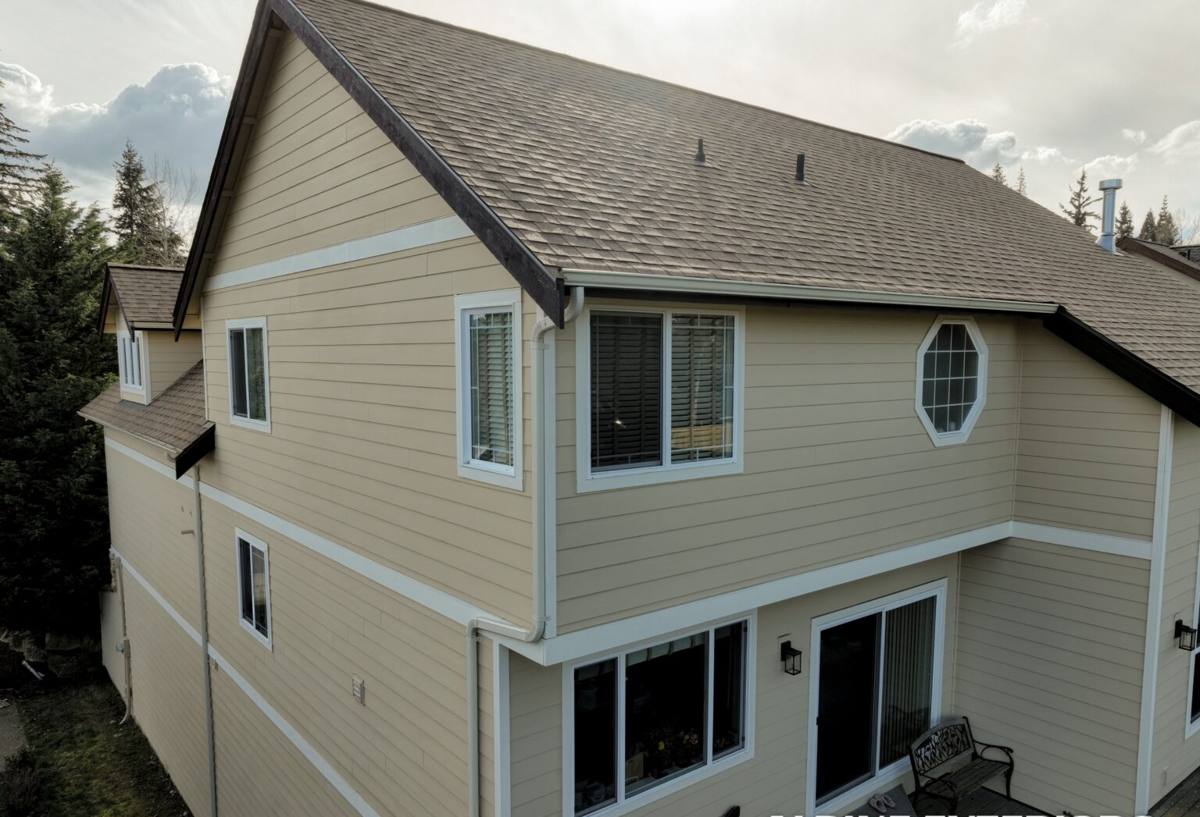
What Salt Air, Rain, and Moss Actually Do to a Window System
Salt Air and Hardware
Salt carried on marine air settles on every exterior surface, including window hardware, screen frames, and exposed fasteners. Over years, that accelerates corrosion on lower-grade hinges, locks, and cranks, and it can pit or discolor unprotected metal trim. This is one of the biggest reasons material and hardware choice matters more here than in a typical inland install.
Driving Rain and Wind-Driven Water
Storms coming off the strait often carry rain sideways, not straight down. That means water gets pushed up under trim and into gaps that would stay dry in a calmer setting. If flashing and sealant details are even slightly off, wind-driven rain will find that gap eventually — sometimes not for a year or two, which is why so many leaks get blamed on "old windows" when the real cause was a mediocre install years earlier.
Moss and Sustained Moisture
Shaded, damp conditions during the long wet season let moss and algae colonize horizontal surfaces — window sills, sloped trim, and the bottom of frames. Beyond the cosmetic issue, moss holds moisture against wood and composite surfaces far longer than bare material would, which speeds up rot in anything that isn't properly sealed or capped.
Signs a Window Is Losing the Battle
- Fogging or moisture between panes — a sign the seal on a double- or triple-pane unit has failed
- Soft, spongy, or discolored wood at the sill or lower frame corners
- Visible daylight or a noticeable draft around the frame when it's windy
- Paint or finish bubbling and peeling near the bottom rail
- Difficulty opening, closing, or locking a window that used to operate smoothly
- Moss or dark streaking building up on the sill or exterior trim year after year
Any one of these on its own isn't necessarily an emergency, but a window showing two or three of these signs together is usually past the point where caulk and paint will fix it.
What a Correct Window Installation Actually Involves
Window installation looks simple from the outside — take the old one out, put the new one in — but the parts that determine whether it holds up in a marine climate happen where you can't see them once the trim goes back on.
Opening Prep and Inspection
Before a new window goes in, we check the rough opening for hidden rot or water damage from the old unit. Installing a new window into a compromised opening just traps the problem behind new trim. Any soft or damaged framing gets addressed before anything else happens.
Flashing Sequence
Proper flashing is layered so that water is always directed outward and downward, shingle-style — sill pan first, then side flashing, then the head flashing lapped over the top so each layer sheds onto the one below it. In a location that regularly takes wind-driven rain, skipping or shortcutting this sequence is the single most common cause of a leak that shows up years later.
Sealant and Weatherproofing
We use sealants and weather barriers rated for the exposure the window will actually see, integrated with the home's existing house wrap or building paper rather than just caulked over the surface. A bead of caulk around the trim is not a substitute for proper flashing — it's a backup, not the primary defense.
Setting, Shimming, and Insulating
The window has to be shimmed level, plumb, and square, then insulated around the frame with a material that won't compress or settle over time. A window that's slightly out of square will bind, won't seal evenly, and puts uneven stress on the frame that shows up as premature wear.
Choosing Materials That Hold Up Near the Water
Every window material has trade-offs, and in a salt-air, high-moisture setting those trade-offs matter more than they would inland. We're upfront about what each option asks of a homeowner over the long run.
| Material | Salt Air / Moisture Behavior | Maintenance | Typical Fit for Ship Harbor |
|---|---|---|---|
| Vinyl | Won't corrode or rot; performs well in coastal exposure | Low — occasional rinse | Strong default choice for most homes |
| Fiberglass | Very stable, resists warping and corrosion | Low | Good upgrade for higher-exposure walls or larger openings |
| Aluminum | Prone to corrosion and pitting near saltwater over time unless well-coated | Moderate to high | Generally not our first recommendation this close to the water |
| Wood / Wood-Clad | Attractive but vulnerable to moisture intrusion if any seal fails | High — regular finish upkeep required | Workable with disciplined maintenance and good detailing, best on protected elevations |
We're not against wood or aluminum windows as products — both have a place. But we tell homeowners honestly what upkeep they're signing up for so there are no surprises five years in. On a home taking the full brunt of salt air and driving rain, we lean toward vinyl or fiberglass for the exposed elevations and reserve wood for more sheltered spots where its maintenance demands are easier to keep up with.
Glass Package Considerations
A dual-pane, low-E insulated glass unit with a good warranty is the baseline we recommend for this climate. Argon-filled units add a modest efficiency boost and help with condensation resistance during Anacortes's cool, damp winters. Triple-pane makes more sense on north- or water-facing walls that take the worst of the wind than it does on sheltered south sides, where the added cost buys less benefit.
Our Installation Process
- On-site assessment — we look at each opening, note exposure direction, and check for existing moisture or framing issues before quoting anything
- Product selection — we walk through material and glass options suited to that specific wall's exposure, not a one-size answer for the whole house
- Removal and opening inspection — old units come out carefully, and we address any rot or damage found before the new window goes in
- Flashing and installation — sill pan, side flashing, head flashing, shimming, and insulation, done in the correct sequence
- Interior and exterior finish — trim, sealant, and paint or caulk lines finished cleanly on both sides
- Final walkthrough — we test operation, locks, and seals with you before calling the job done
Cost Factors for Window Installation in Ship Harbor
Every quote depends on the specifics of the home, but the main variables that move the price are consistent from job to job.
| Factor | Why It Matters |
|---|---|
| Window size and count | Larger openings and whole-house replacements have different labor and material needs than one or two windows |
| Material selected | Vinyl, fiberglass, and wood carry different unit costs and installation requirements |
| Wall exposure | Water-facing or high-wind elevations may call for extra flashing detail or a higher-spec unit |
| Existing damage | Rotted framing or old, poorly-flashed openings need repair before a new window can be installed correctly |
| Access and story height | Second-story or hard-to-reach windows add setup time and equipment needs |
We give straightforward, itemized estimates so you know what you're paying for — not a vague lump sum.
Questions Worth Asking Before You Hire
- Do you flash every window the same way regardless of which direction it faces?
- What's your process if you find rot or water damage once the old window is out?
- What warranty covers the installation itself, separate from the manufacturer's product warranty?
- Have you worked on homes in this specific area before, and do you understand the exposure here?
- Will the same crew that quotes the job also be the one doing the install?
A contractor who can't answer these clearly, or who brushes past the flashing question, is telling you something about how they'll handle the parts of the job you won't be able to check once the trim goes back on.
Why Local Ship Harbor Experience Matters
A crew that regularly works this stretch of Anacortes already knows which elevations take the worst of the weather off the strait, how the moss season behaves in shaded yards, and which detailing choices actually hold up here versus what looks fine on paper. That's different from general window-installation experience gained somewhere drier or more sheltered. It shows up in small decisions — which sealant to use, how much flashing overlap to build in, which material to steer a homeowner toward on a water-facing wall — that add up to a window system that's still performing well a decade later instead of one that needs attention again in three or four years.
Keeping New Windows Performing Long-Term
A correct install is the foundation, but a little seasonal attention keeps it that way. Rinse salt residue off frames and hardware periodically, especially after storms. Clear moss and debris from sills and tracks before it has a chance to hold moisture against the frame. Check that weep holes (the small drainage openings at the base of the frame) stay clear so water can drain out instead of pooling. None of this takes long, and it goes a long way toward protecting the investment.
If your windows in the Ship Harbor area are showing drafts, fogging, sticking, or visible wear, we're happy to take a look and give you a straightforward, no-pressure estimate — just fill out the form below.