 Anacortes Siding
 Why West Anacortes Homes Wear Out Their Siding Faster
West Anacortes sits close enough to the water that salt-laden air is part of daily life, not an occasional weather event. Combine that with the long, wet stretch of fall through spring that Skagit County sees every year, and you have a set of conditions that push exterior siding harder than almost anywhere else in the state. Salt air accelerates corrosion on fasteners and trim, driving rain finds its way into any gap in the water management behind the siding, and a shaded, moisture-heavy moss season keeps north- and west-facing walls damp for weeks at a stretch.
None of this means siding is doomed to fail in West Anacortes. It means the material and the installation both have to be matched to the environment, not just picked because they're familiar or cheap. We install siding in this neighborhood regularly enough to know which failure patterns show up first, and we build every job to head those off before they start.
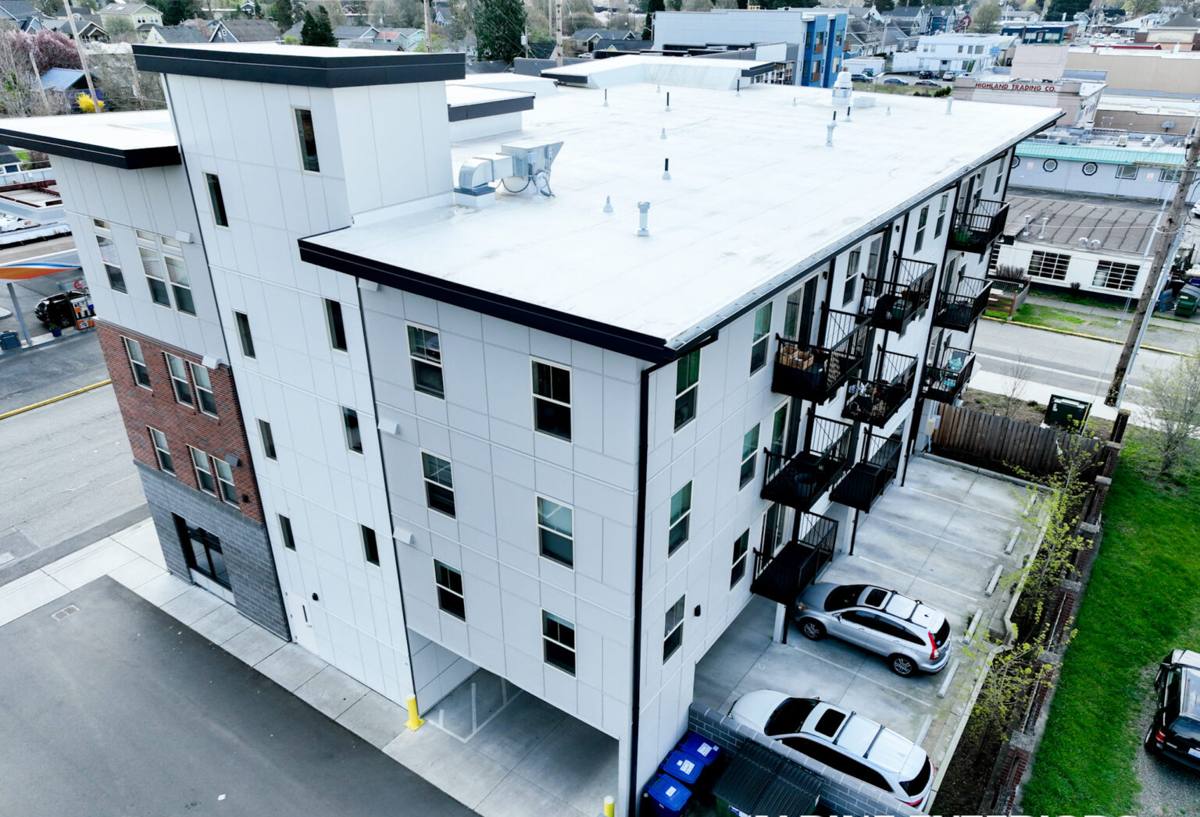
What "Correct" Siding Installation Actually Involves Here
A siding installation is really three systems working together: the weather-resistive barrier and flashing behind the panels, the siding itself, and the fastening and joint details that hold it all together. In West Anacortes, we treat all three as equally important — a great siding product installed with sloppy flashing will still leak, and correct flashing under a poor product still won't protect the house long-term.
Water Management Comes First
Before any siding goes up, the wall needs a continuous weather-resistive barrier with properly lapped and sealed seams, correctly integrated window and door flashing, and drainage space where the siding profile calls for it. On a home exposed to driving rain off the water, we pay particular attention to head flashing above openings and to how water is directed away from the wall at every horizontal transition — trim boards, water tables, and roof-to-wall intersections are the spots that fail first when this step is rushed.
Fastening and Fit
Fasteners have to be corrosion-resistant and driven to the manufacturer's spec — not too deep, not too shallow, and set at the correct distance from panel edges. In a salt-air environment, we don't cut corners on fastener grade; the wrong fastener can start staining or failing years before the siding itself shows any wear.
Joints, Caulking, and Butt Seams
Every seam is a potential entry point for water. We plan panel layout to minimize butt joints where possible, and where they're unavoidable, we use factory-recommended joint treatment rather than relying on caulk alone to do the work. Caulk is a backup, not a water management strategy.
Why We Install Only James Hardie Fiber Cement
We install James Hardie fiber cement siding exclusively — we don't offer vinyl, LP SmartSide, Cemplank, Allura, primed spruce, or cedar as alternatives. That's a deliberate standard, not a sales preference, and it matters more in a place like West Anacortes than it would somewhere drier and further inland.
Fiber cement is non-combustible and dimensionally stable in a way that wood-based and engineered-wood products aren't. It doesn't absorb and swell with moisture the way wood substrates can, which matters directly in a climate with a long wet season and persistent humidity. Vinyl, for its part, can perform fine in mild climates but tends to become brittle with age and UV exposure, and it doesn't hold paint if a homeowner ever wants to change the color down the road. Wood-based composite products can perform well when kept dry and maintained on schedule, but they're less forgiving of the maintenance gaps that happen in real life — a missed caulk touch-up or a slow leak behind trim finds the substrate faster on wood-based products than on fiber cement.
James Hardie's ColorPlus factory finish is baked on and backed by a paint warranty, so homeowners aren't repainting every five to seven years the way they might with field-applied paint on wood siding. In a salt-air, high-moisture area, cutting the recurring maintenance burden is a real, practical benefit — not a marketing line.
HZ5 Engineering for This Climate
James Hardie's HZ5 product line is engineered for climates with significant moisture exposure and freeze-thaw cycling, which fits Western Washington's coastal weather pattern. It's manufactured and formulated to hold up to sustained wet conditions better than the standard HZ10 line built for milder, drier regions. For a West Anacortes home, that engineering match matters more than it would for a house fifty miles inland.
Comparing Siding Approaches for a West Anacortes Home
| Factor | Fiber Cement (James Hardie) | Vinyl | Wood-Based Composite |
|---|---|---|---|
| Salt air / corrosion resistance | Strong — non-metallic substrate, stable | Moderate — can chalk and become brittle | Moderate — depends on coating integrity |
| Moisture / long wet season | Engineered for it in HZ5 formulation | Doesn't absorb moisture, but seams can leak | Vulnerable if substrate gets wet and stays wet |
| Repaint cycle | Factory finish warrantied, long intervals | Can fade; repainting is difficult | Field-applied finishes need more frequent upkeep |
| Fire resistance | Non-combustible | Combustible | Combustible |
| Typical lifespan when installed to spec | Decades, with proper installation | Variable, shorter in harsh coastal exposure | Shorter if maintenance lapses |
Our Installation Process for West Anacortes Homes
- On-site assessment. We look at wall orientation relative to prevailing wind and rain, existing moisture damage, roofline transitions, and how much shade and moss exposure each elevation gets.
- Tear-off and substrate check. Old siding comes off and we inspect sheathing for hidden rot or water damage before anything new goes on — this is where problems from years of prior exposure usually surface.
- Weather-resistive barrier and flashing. A continuous barrier goes up with properly lapped seams, followed by flashing at every window, door, and horizontal transition.
- James Hardie panel installation. Panels are installed to manufacturer fastening specs, with attention to joint placement and clearance from grade, decks, and roof lines.
- Trim and detail work. Corner boards, water tables, and trim are set to shed water away from seams, not toward them.
- Final inspection. We walk the exterior looking specifically at the details that tend to fail first in this climate — flashing laps, fastener setting, and joint treatment.
Dealing With Moss and Shaded Elevations
Moss season in Skagit County isn't just a roof problem. North-facing and heavily shaded walls in West Anacortes can stay damp for extended stretches, which creates the conditions moss and mildew need to take hold on siding surfaces. Fiber cement doesn't feed mold and mildew growth the way wood substrates can, but surface staining can still occur on any material if a wall stays wet and shaded long enough. Good installation practice — adequate drainage space behind the panels, correct flashing, and trim details that don't trap water against the wall — reduces how long a shaded elevation stays wet after a storm, which is the real variable that determines how much moss and mildew buildup a homeowner deals with over time.
What a Homeowner Should Check Before Hiring
- Ask specifically how the crew handles flashing at windows, doors, and roof-to-wall transitions — not just what siding brand they install.
- Confirm they're using manufacturer-specified fasteners and fastening patterns, not whatever is on hand.
- Ask whether they've worked on homes in your specific neighborhood or similar coastal exposure, not just "the region" broadly.
- Get clarity on warranty coverage — both the manufacturer's product/finish warranty and the contractor's workmanship warranty.
- Ask how they plan panel layout to minimize butt joints on the elevations most exposed to wind-driven rain.
- Confirm what happens if hidden sheathing damage is found once old siding comes off — how it's priced and handled.
Why Local Installation Experience Matters
Anacortes Siding Contractors works in West Anacortes regularly, which means we've already seen how specific elevations and lot conditions in this area behave over a full wet season. That's different from general familiarity with "coastal Washington siding" — it's knowing, for example, which orientations in this particular neighborhood tend to hold moisture longest, and building the flashing and drainage details to account for it before the first storm of the season tests the work.
A crew unfamiliar with the specific exposure patterns here can still install siding correctly on paper and still end up with a wall that stays damp longer than it should, simply because the detailing wasn't tuned to local conditions. Experience in this specific area is what closes that gap.
Maintenance After Installation
James Hardie fiber cement with a ColorPlus finish requires far less upkeep than wood-based alternatives, but "low maintenance" isn't "no maintenance." We recommend an annual visual check of caulked joints, trim intersections, and any area where siding meets a roofline or deck ledger — these are the spots most likely to need attention first in a wet, salt-air climate. Catching a small gap in caulking or a loose piece of trim early is far cheaper than dealing with water intrusion that's had a season or two to work its way into the wall.
If you're planning a siding project in West Anacortes, we're happy to walk your property, look at what your specific elevations are dealing with, and give you a straightforward, no-pressure estimate. There's a form below to get that conversation started.