 Anacortes Siding
 Why Bow's Location Puts Extra Stress on Windows
Bow sits close enough to Samish Bay and the greater Puget Sound shoreline that salt-laden air is a normal part of the weather, not an occasional event. Add in the driving rain that comes off the water during fall and winter storms, and the long stretch of grey, damp months that let moss and algae take hold on anything shaded or slow to dry, and you've got a climate that is genuinely harder on windows than most of the country deals with. Homes in this part of Skagit County also see real temperature swings between summer afternoons and winter nights, which puts extra strain on seals, frames, and glazing over time.
None of this means windows in Bow need to be exotic or overbuilt. It means the details that get skipped in a rushed install — flashing, sealant choice, frame material, drainage — matter more here than they would in a drier, calmer climate. A window that's a fine choice in an inland desert town can be a poor fit for a place that sees this much wind-driven moisture.
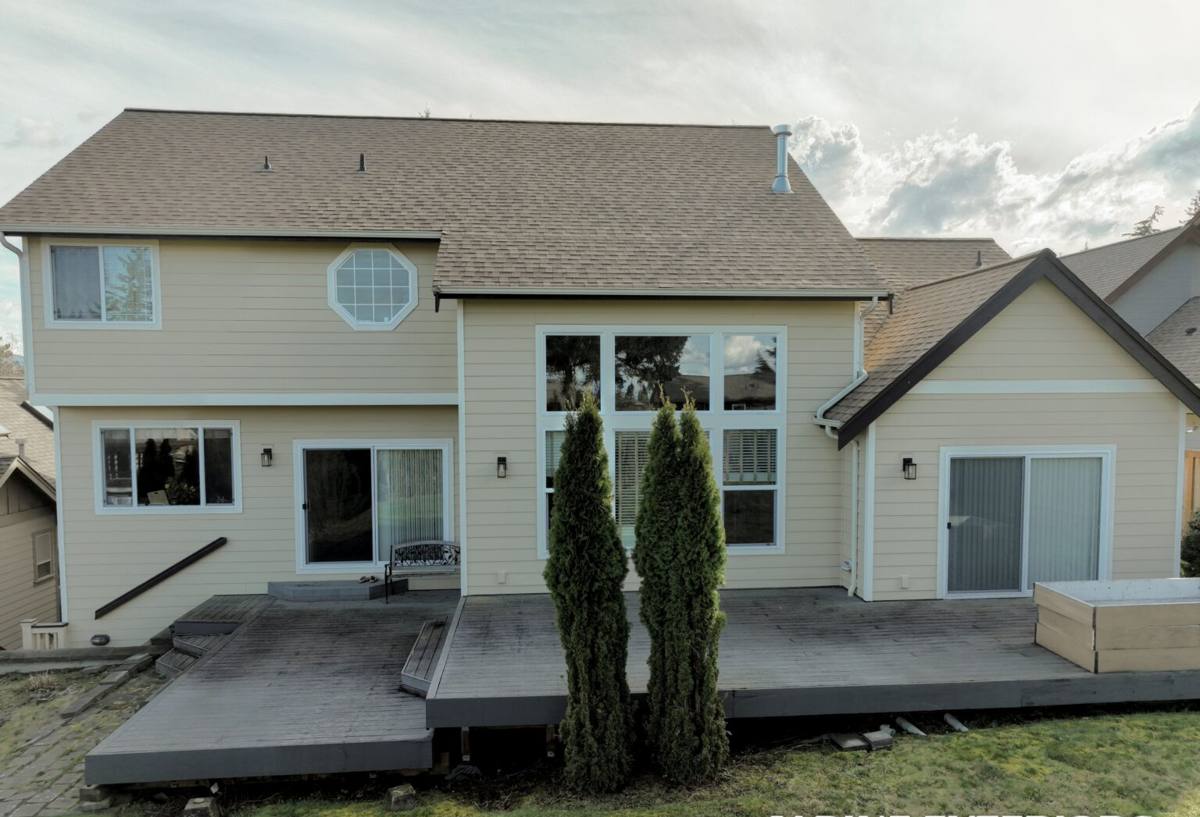
What "Energy-Efficient" Actually Means for a Skagit County Home
Energy efficiency in windows comes down to a handful of measurable ratings, and in this climate two of them matter more than the rest.
U-Factor Over Solar Heat Gain
U-factor measures how well a window resists heat loss — the lower the number, the better it holds heat inside during our cool, wet winters. Because Bow doesn't deal with intense summer sun the way inland areas do, a low U-factor generally does more for comfort and heating bills here than chasing an aggressively low solar heat gain coefficient (SHGC). Some solar gain is actually welcome during our long grey stretches.
Air Infiltration and Wind-Driven Rain
Air infiltration ratings tell you how much outside air leaks through the window assembly itself, separate from the wall around it. In a location that regularly gets rain pushed sideways by wind off the water, a window with poor air-infiltration performance is also a window more likely to let moisture find its way in around the sash. This is one reason we weigh a product's tested performance under wind-driven rain conditions, not just its printed efficiency label.
Signs Your Bow Home's Windows Are Working Against You
Older or poorly installed windows tend to show the same pattern of symptoms in this climate. Worth checking for before you decide whether you need a full replacement or targeted repairs:
- Fogging or a hazy film between panes of a double-pane window (a failed seal, not something that can be cleaned away)
- Condensation forming on the inside of the glass regularly, especially on colder mornings
- Drafts you can feel at the frame edge, even with the window latched
- Moss, algae, or black streaking on sills and lower frames that keeps coming back after cleaning
- Soft, discolored, or swollen wood at the frame corners or sill
- Windows that are difficult to open, close, or lock — often a sign the frame has shifted or swollen
- Noticeably higher heating bills compared to homes of similar size nearby
Any one of these on its own isn't necessarily an emergency. Several of them together, especially on windows original to an older home, usually mean the assembly is past the point where caulk and weatherstripping will fix the problem.
Frame Materials That Hold Up to Salt Air and Rain
Frame material has a bigger effect on long-term performance in this climate than most homeowners expect. Here's how the common options actually behave once they've been through a few wet Skagit County winters:
| Frame Material | Behavior in Salt Air & Rain | Maintenance |
|---|---|---|
| Vinyl | Good moisture resistance, won't rot or corrode; quality varies a lot between manufacturers | Low — occasional cleaning |
| Fiberglass | Excellent dimensional stability, resists swelling and doesn't corrode in salt air | Low |
| Wood, clad exterior | Good insulator; performance depends entirely on the integrity of the exterior cladding and flashing | Moderate to high |
| Aluminum (uncladded) | Prone to corrosion pitting near salt air over time and conducts heat/cold readily | Moderate |
We steer most Bow homeowners toward vinyl or fiberglass for this reason — not because wood or aluminum can't work, but because the maintenance burden and moisture sensitivity are real trade-offs worth being upfront about before you commit to a material.
Glass Packages Worth Paying For
Beyond frame material, the glass package is where a lot of the actual energy performance comes from.
Double-Pane vs. Triple-Pane
Double-pane windows with a quality low-E coating and argon fill are the standard, cost-effective choice for most homes in this area and perform well against our climate. Triple-pane adds another layer of insulation and can make sense for a north-facing room, a home closer to the water with more wind exposure, or a homeowner prioritizing sound dampening — but it comes at a higher cost and added weight, which matters on larger openings.
Low-E Coatings and Spacers
Low-emissivity coatings control how much heat passes through the glass without noticeably darkening the view. Warm-edge spacers (as opposed to older metal spacer bars) reduce the cold spot at the edge of the glass, which cuts down on the interior condensation that's common in damp climates like ours.
How We Install Windows to Actually Perform in Bow's Weather
A high-performance window installed poorly will still leak, draft, and fail early — the installation is at least as important as the product. Our process on Bow homes follows the same core steps every time:
- Remove the existing window and inspect the rough opening and sheathing underneath for hidden rot or moisture damage before anything new goes in
- Install a sloped sill pan to direct any water that gets past the window back outside, rather than into the wall
- Integrate new flashing with the home's existing weather-resistive barrier in the correct shingled order, so water is always directed downward and outward
- Shim and level the window properly so the frame isn't under stress, which protects both the seal and the operation of the sash
- Seal and insulate the gap between the frame and rough opening with materials rated for exterior use, not just interior caulk
- Finish exterior trim and sealant joints so the whole assembly sheds water rather than trapping it
Skipping the sill pan or flashing integration is the single most common shortcut we see behind moisture problems in older replacement jobs — the window itself is rarely the issue.
What Affects the Cost of a Window Project
Every Bow home is different, so we don't quote sight unseen — but the main variables that drive cost are consistent from job to job:
| Factor | Why It Matters |
|---|---|
| Frame material and glass package | Fiberglass and triple-pane cost more upfront than vinyl and double-pane |
| Number and size of openings | Larger jobs bring down the per-window cost of labor and mobilization |
| Condition of the rough opening | Hidden rot or framing damage found during removal adds repair time |
| Access and second-story work | Upper-floor windows or difficult access require more setup and time |
| Trim and casing work | Matching or replacing exterior trim adds material and labor |
We'd rather walk your home and give you real numbers than throw out a range that doesn't reflect what your specific windows and openings actually need.
Living With Windows Through Moss Season
Even a well-installed window needs a little seasonal attention in this climate. A few habits go a long way:
- Keep weep holes at the bottom of the frame clear of debris and moss so water can drain out as designed
- Rinse sills and lower frames periodically on shaded or north-facing walls, where moss and algae take hold fastest
- Check exterior sealant joints once a year for cracking or separation, especially after a hard winter
- Wipe down interior sills if you notice recurring condensation, and address the underlying humidity if it keeps coming back
None of this is heavy maintenance — it's the kind of upkeep that, done once or twice a year, keeps a properly installed window performing for decades instead of years.
Why It Matters to Hire a Crew That Already Works in Bow
Window performance in this climate isn't just about the product on the spec sheet — it's about whether the installer understands how wind, rain, and moss behave on homes in this exact area. A crew that regularly works Skagit County knows what wind exposure looks like on a property near Samish Bay versus one set back in the trees, understands the county's permitting expectations, and has seen firsthand which installation shortcuts cause callbacks two winters later. That local pattern-recognition is hard to replace with a crew driving in from outside the area for a one-off job.
Before hiring anyone for a window project in Bow, it's worth confirming a few basics:
- They carry current liability insurance and, where applicable, manufacturer certification for the products they install
- They can explain their flashing and sill-pan approach, not just the window brand they sell
- They'll put material, labor, and warranty terms in writing before work starts
- They're willing to walk your home in person rather than quoting from a phone call alone
- They have real, checkable experience working in this specific climate — not just a general service area
If your Bow home has windows that are drafty, fogged, hard to operate, or just older than they should be, we're happy to take a look and give you an honest read on what makes sense — repair, partial replacement, or a full upgrade. Reach out for a free, no-pressure estimate using the form below.