 Anacortes Siding
 Window Installation in Bow, Washington
Bow sits in that in-between stretch of Skagit County where open farmland runs up against Samish Bay, and the weather off the water doesn't stay off the water. Homes here take a steady mix of salt-tinged air, driving rain that comes in sideways more often than straight down, and long stretches of gray, damp months that keep everything green with moss longer than most homeowners would like. Windows are one of the first places that weather shows up as a real problem — not just fogged glass or a drafty room, but rot in the framing, failed seals, and hardware that seizes up from corrosion. If you're looking at window installation for a home in Bow, the job is about more than picking a style you like. It's about choosing materials and a build that can actually stand up to this specific stretch of coastline for the next twenty-plus years.
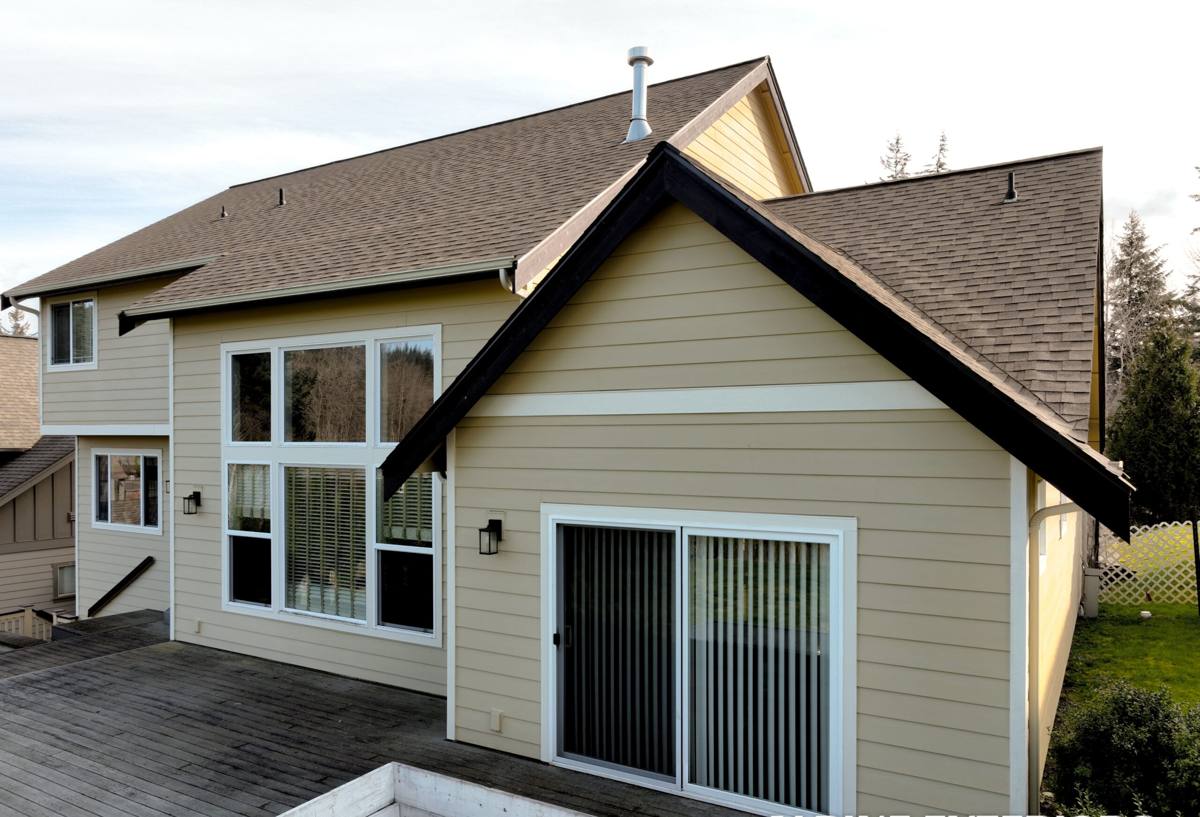
Why Bow's Climate Is Hard on Windows
Three things work against windows here, and they work together rather than one at a time.
Salt Air
Proximity to Samish Bay means airborne salt settles on exterior surfaces even on homes that aren't waterfront. Salt is corrosive to unprotected metal hardware — hinges, locks, balance systems — and it accelerates the breakdown of some finishes and sealants faster than an inland home would ever see.
Driving Rain
Wind off the bay pushes rain at an angle instead of straight down, which means it hits the vertical face of a window and works into any gap in the flashing or trim rather than just running off the sill. A window that would be fine in a calm rain can leak here if the flashing and sealing weren't done with wind-driven water in mind.
Moss Season
Skagit County's wet season stretches long, and moss and algae take hold on any surface that stays damp — including window trim, sills, and the exterior casing around a poorly flashed unit. Moss holds moisture against wood and paint, which is exactly the condition that leads to slow rot nobody notices until the frame is soft.
None of this means windows in Bow need to be exotic or overbuilt. It means the material choice, the flashing detail, and the sealing work all need to account for salt, wind-driven rain, and sustained dampness — not just be "good enough" by a generic standard.
Signs Your Bow Home Needs New Windows
Windows rarely fail all at once. Here's what we look for, and what you can check yourself before calling anyone out.
- Visible fog or moisture trapped between panes — the seal has failed and the insulating gas is gone
- Soft or discolored wood on the sill, jamb, or exterior trim around the window
- Windows that are hard to open, close, or lock, especially after damp weather
- A draft you can feel with your hand near the frame on a windy day
- Moss or dark streaking building up on the sill or trim faster than the rest of the siding
- Paint that's bubbling, peeling, or chalky specifically around the window opening
- Noticeably higher heating bills in a room that used to hold temperature fine
- Condensation on the inside of the glass most mornings, even with normal ventilation
One or two of these on their own might just mean a caulking touch-up. Several together, especially soft wood or persistent moisture, usually mean the window and its flashing need to be replaced, not patched.
What a Correct Window Installation Actually Involves
The window unit itself is maybe half the job. The other half — the part that determines whether it leaks in three years or lasts thirty — is what happens around it.
Removal and Opening Inspection
Once the old window is out, we check the rough opening for hidden rot or water damage before anything new goes in. This is the point where a lot of long-term problems get caught — or missed, if a crew is moving too fast to look.
Flashing
Flashing tape and pan flashing at the sill direct any water that gets past the exterior cladding back out, rather than letting it pool inside the wall. Given how much wind-driven rain Bow sees off the bay, this step matters more here than it would in a drier, calmer climate.
Setting and Shimming
The window needs to be level, square, and properly shimmed so it operates smoothly and doesn't stress the frame over time. A window installed slightly out of square will bind, leak, or both, eventually.
Sealing
Interior and exterior sealant, backer rod where needed, and insulation in the gap between the frame and the rough opening all work together to stop air and water infiltration. Skipping any one of these is how a "new" window still ends up drafty.
Trim and Finish
Exterior trim gets sealed and finished in a way that sheds water and resists the moss and algae growth that's common in this climate, rather than giving it a flat surface to take hold on.
Choosing the Right Window Material for a Coastal Skagit County Home
There's no single "best" window material — the right choice depends on your home's exposure, your maintenance appetite, and your budget. Here's how the common options hold up against Bow's specific mix of salt air, wind-driven rain, and moss.
| Material | How It Handles Salt Air | Maintenance | Typical Trade-Offs |
|---|---|---|---|
| Vinyl | Good — won't corrode or rot; UV-stable finishes hold up well | Low; occasional cleaning | Most affordable; frame can't be painted a different color later |
| Fiberglass | Very good — dimensionally stable, resists salt and moisture well | Low | Higher upfront cost; strong long-term value in coastal exposure |
| Aluminum-Clad Wood | Good on the exterior face; wood interior needs protection from moisture | Moderate | Attractive interior wood look; relies on the cladding and seals staying intact |
| Bare Wood | Poor without diligent upkeep — most vulnerable to rot and moss | High; regular repainting and sealing | Classic look, but the highest-maintenance option in this climate |
For most homes in Bow, we steer people toward vinyl or fiberglass for the exterior-facing performance, and reserve wood or wood-look options for homes where the architectural style really calls for it — with the understanding that upkeep will be part of the deal.
Glass and Hardware Choices That Matter Here
Beyond the frame material, two other choices affect how a window performs in this climate:
Glass Package
Double-pane with a Low-E coating is the standard baseline and performs well for most Bow homes. Triple-pane adds extra insulating value and sound dampening, which is worth considering for rooms facing prevailing wind off the bay or a busier road, but it's not a requirement for every window in the house.
Hardware
Locks, hinges, and balance mechanisms should be corrosion-resistant. In a climate with regular salt exposure, cheaper hardware finishes can start showing pitting or stiffness within a few years — spending a little more here pays off in how the windows operate a decade from now.
Our Installation Process
- On-site assessment: We look at your existing windows, the condition of the rough openings where accessible, and your home's specific exposure to wind and rain.
- Material and glass selection: We walk through frame material, glass package, and style options based on your home, budget, and how much upkeep you want to take on.
- Written estimate: A clear scope and price before any work starts — no surprise add-ons mid-project.
- Removal and opening check: Old windows come out, and we inspect for hidden moisture or rot before installing anything new.
- Flashing, setting, and sealing: Installed to shed wind-driven rain, not just handle a calm drizzle.
- Trim and cleanup: Exterior finish work completed and the site left clean.
- Final walkthrough: We check operation on every window with you before calling the job done.
What Affects the Cost of Window Installation
Every home is different, but these are the factors that typically move the price up or down. We won't quote a number without seeing the job, but this gives you an honest starting point for planning.
| Factor | Why It Matters |
|---|---|
| Number of windows | Per-unit cost drops somewhat on larger jobs due to shared setup and labor |
| Frame material | Vinyl is typically the most affordable; fiberglass and wood-clad cost more upfront |
| Window size and type | Large picture windows or specialty shapes cost more than standard double-hungs |
| Condition of the opening | Hidden rot or damage found during removal adds repair work before the new window goes in |
| Full-frame vs. insert installation | Insert (pocket) replacement is faster and cheaper when the existing frame is sound; full-frame costs more but is necessary when framing is damaged |
| Access and site conditions | Second-story windows or tight access can add labor time |
As a rough general range, straightforward single-window replacement projects often land in the low-to-mid thousands per opening depending on size and material, with full-home replacements scaling up from there. The only way to get a real number is a walk-through, since hidden opening damage is common enough in this climate that it's not safe to quote blind.
Why Hire a Crew That Already Works in Bow
A contractor who works this stretch of Skagit County regularly has already seen how salt air, wind-driven rain, and moss season behave on real homes here — not just in a training manual. That translates into practical decisions: knowing which flashing details actually hold up against wind off Samish Bay, which materials are worth the extra cost given the exposure, and which shortcuts tend to show up as leaks a couple winters later. It also means straightforward logistics — showing up when scheduled, understanding Skagit County permitting where it applies, and standing behind the work because we're not driving in from somewhere else for a one-off job.
Keeping New Windows Performing in This Climate
A properly installed window still benefits from a little seasonal attention in a climate like this one:
- Rinse salt residue off exterior frames a couple times a year, especially after storms
- Clear moss and debris from sills and tracks before it builds up and holds moisture
- Check exterior caulking annually and touch up any cracked or separated sealant
- Operate locks and hardware periodically so they don't seize from disuse and corrosion
- Watch for soft trim or paint failure around the frame as an early warning sign
None of this is heavy maintenance, but skipping it is how a well-installed window still ends up with an avoidable problem down the road.
If your windows in Bow are drafty, fogged, hard to operate, or just showing their age, we're happy to take a look and give you a straightforward, no-pressure estimate — use the form below to get started.