 Anacortes Siding
 New Roof Installation Built for Bow's Climate
Bow sits in a stretch of Skagit County where Samish Bay air, marine moisture, and heavy seasonal rainfall all meet. That combination is hard on roofs in ways that don't show up right away. A roof that looks fine from the driveway can already be losing granules, holding moisture under the shingles, or growing moss in the shaded valleys. When it's time for a full new roof installation, the goal isn't just to put new material on the house — it's to put the right system on, installed the right way, so it actually holds up to what this specific area throws at it year after year.
We work throughout Anacortes and the surrounding Skagit County communities, including Bow, and we've seen firsthand how differently a roof ages here compared to a roof installed 60 miles inland. That local experience shapes every part of how we approach a new roof installation on your home.
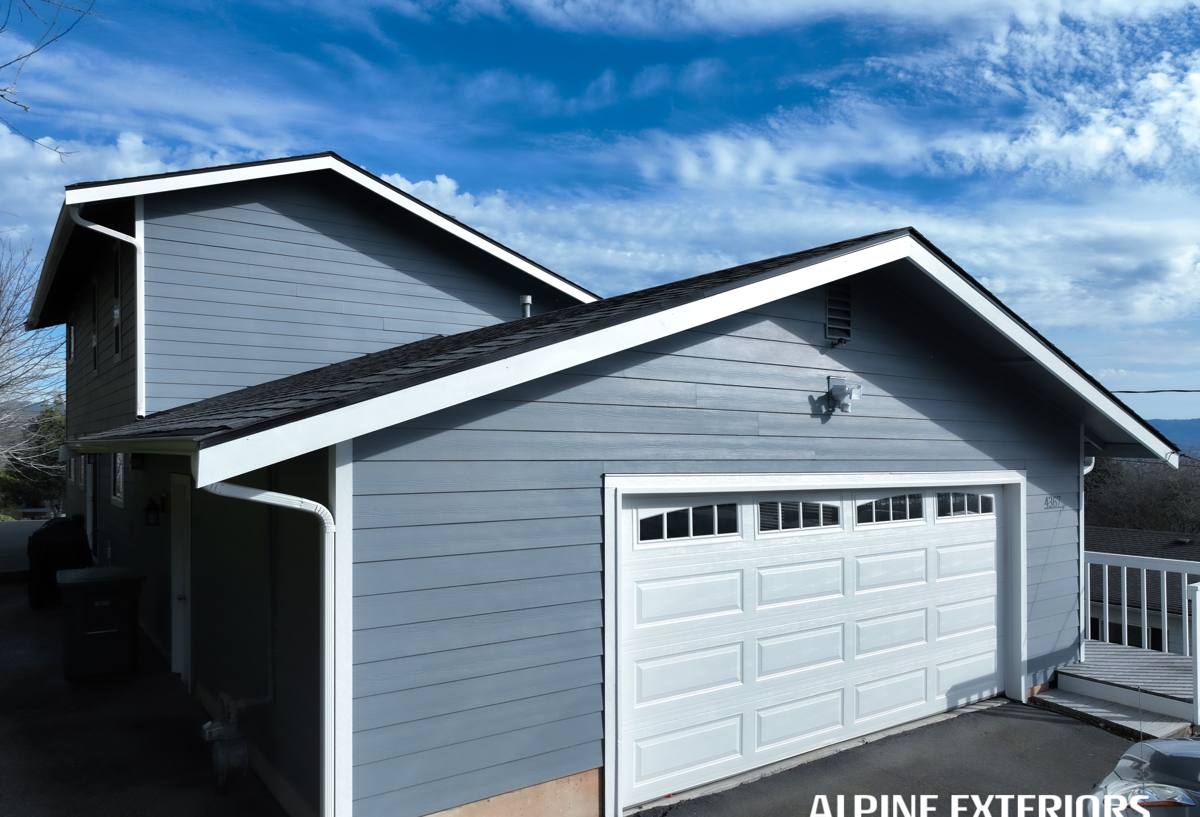
Why Bow's Environment Is Tougher on Roofs Than It Looks
Salt Air and Corrosion
Proximity to Samish Bay and the greater Salish Sea means airborne salt is a real factor for homes in Bow, even those set back from the water. Salt-laden air accelerates corrosion on exposed metal — flashing, fasteners, vent caps, and drip edge — faster than it would inland. Roofing components rated for general use can start showing rust and pitting years before they should, which is why material and fastener selection matters more here than in a lot of other places we serve.
Driving Rain and Wind-Driven Water
Storms coming off the water don't just drop rain straight down — wind pushes it sideways, up under shingle tabs, and into any gap in the flashing detail. A roof that would perform fine in a calm, vertical-rain climate can leak in Bow if the underlayment, flashing laps, and valley details aren't built for wind-driven water specifically.
Moss Season
Skagit County's long wet season, combined with tree cover and shaded north-facing slopes common on Bow properties, creates ideal conditions for moss growth for a good part of the year. Moss doesn't just look bad — it holds moisture against the roofing material, lifts shingle edges as it grows, and shortens the life of the roof underneath it if it's left unmanaged.
What a Correct New Roof Installation Actually Involves
A new roof is more than the visible shingle layer. Every component underneath it has to work together, and skipping steps is exactly how roofs fail early in a climate like this one. Here's what we consider non-negotiable on a Bow installation:
- Tear-off and deck inspection — full removal of the old roofing so we can inspect the actual sheathing for soft spots, delamination, or hidden water damage before anything new goes down.
- Deck repair as needed — any compromised sheathing gets replaced, not covered over. Installing new roofing over a weak deck just hides a problem that will resurface.
- Ice-and-water shield at vulnerable points — eaves, valleys, and roof-to-wall transitions get self-adhering waterproof membrane, not just standard felt, because these are the spots wind-driven rain finds first.
- Synthetic underlayment across the field — a water-resistant secondary barrier under the whole roof, which matters most in a climate where the primary roofing surface deals with sustained wet weather for months at a time.
- Properly lapped, corrosion-resistant flashing — around chimneys, skylights, vent pipes, and wall intersections, using metal and fasteners suited to a salt-air environment.
- Balanced attic ventilation — intake and exhaust that actually work together, which controls moisture buildup in the attic and reduces the temperature swings that shorten shingle life.
- Manufacturer-specified nailing and exposure — correct nail count, placement, and shingle exposure so the roof qualifies for the material warranty and performs the way it's designed to in wind.
Any one of these steps done wrong can undercut the whole installation, no matter how good the shingles themselves are.
Choosing the Right Roofing Material for a Bow Home
There's no single "best" roofing material for every home — the right choice depends on your roof's exposure, slope, shade, and your own priorities around maintenance and budget. We talk through these trade-offs honestly rather than pushing one product on every job.
| Material | How It Handles Local Conditions | Maintenance Considerations |
|---|---|---|
| Architectural asphalt shingles | Good wind resistance with proper nailing; wide range of algae-resistant options available | Benefits from periodic moss removal on shaded slopes; typical 25-30 year rated lifespan |
| Metal roofing | Sheds wind-driven rain well and resists moss buildup due to its smooth surface | Requires marine-grade fasteners and coatings to manage salt-air corrosion long term |
| Synthetic/composite shingles | Resists moisture absorption and holds up well in sustained wet weather | Higher upfront cost than asphalt; low ongoing maintenance |
| Cedar shake | Traditional look, but higher moisture sensitivity in a climate this wet | Needs regular treatment and inspection to manage rot and moss in shaded areas |
For most Bow homes, we lean toward algae-resistant architectural asphalt or metal, specifically because of the moss and salt exposure — but the right call always depends on the specific roof and homeowner. We'll walk you through the honest pros and cons for your house rather than defaulting to whatever's easiest to sell.
How Our Roof Installation Process Works
1. On-Site Evaluation
We start with a full roof and attic assessment — checking the current material's condition, the state of the decking where visible, ventilation setup, and any problem areas like valleys, skylights, or chimney flashing. This is also when we talk through material options based on your roof's specific exposure to sun, shade, and weather.
2. Written Estimate and Material Selection
You get a clear, written scope of work and pricing before any work begins — no surprise add-ons partway through. We'll help you weigh material options against your budget and long-term maintenance preferences.
3. Tear-Off and Deck Prep
Old roofing comes off, the deck gets inspected and repaired as needed, and the site is protected to keep debris out of landscaping and gutters.
4. Underlayment, Flashing, and Ventilation
This is the stage that determines how the roof performs in a storm five or ten years from now — waterproof membrane at vulnerable points, correctly lapped flashing, and ventilation that's balanced for your attic's actual airflow needs.
5. Roofing Installation
Material goes on to manufacturer specification for nailing pattern, exposure, and fastening — the details that keep a warranty valid and keep the roof performing in coastal wind.
6. Final Walkthrough
We inspect the completed roof with you, confirm gutters and downspouts are clear and functioning, and make sure you understand any maintenance recommendations specific to your property, like moss management on shaded slopes.
Signs a Bow Home May Need a New Roof, Not a Repair
- Granule loss heavy enough that you're finding significant buildup in gutters or downspouts
- Multiple soft spots or visible sagging when viewed from the attic or from the ground
- Shingles that are curling, cracking, or missing across more than an isolated area
- Persistent moss growth that returns quickly after cleaning, especially on north-facing slopes
- Visible daylight through the roof deck or active leaks in more than one location
- Flashing that's visibly rusted, lifted, or separated from the roofline
- The roof is past or near the end of its material's rated lifespan and repairs are becoming frequent
One or two of these on their own might just mean a repair. Several together, especially on an older roof, usually mean it's more cost-effective to replace than to keep patching.
What Drives the Cost of a New Roof Installation
Every roof is priced based on its own specifics, but a few factors consistently move the number up or down, and it's worth understanding them before you start comparing estimates.
| Factor | Why It Matters |
|---|---|
| Roof size and complexity | More valleys, dormers, and roof planes mean more flashing detail and labor time |
| Material choice | Asphalt, metal, and composite products carry different material and installation costs |
| Deck condition | Sheathing repair or replacement adds cost but is not optional if the deck is compromised |
| Ventilation upgrades | Adding or correcting intake/exhaust venting is a smaller cost that protects the whole installation |
| Tear-off layers | Removing multiple layers of old roofing takes more labor than a single-layer tear-off |
| Access and site conditions | Steep slopes, tall roofs, or difficult site access can affect labor and safety equipment needs |
We provide a detailed written estimate that breaks these factors down for your specific home, so you know exactly what you're paying for and why — not just a bottom-line number.
Why a Crew That Already Works Bow Makes a Difference
A roofing crew that's unfamiliar with this stretch of Skagit County can make reasonable-sounding decisions that don't hold up here — underestimating how much wind-driven rain a valley will see, using standard fasteners in a salt-air zone, or not accounting for how much shade a particular roof plane gets and how that affects moss growth. None of those mistakes show up on day one. They show up in year three or four, as leaks, corrosion, or premature material failure.
Working regularly in Anacortes and the surrounding communities, including Bow, means we're not guessing at how a roof will hold up here — we've seen how these conditions play out on real homes over time, and we build that into every installation from the flashing detail up.
Get a Free, No-Pressure Estimate
If your Bow home needs a new roof, or you're not sure whether repair or replacement makes more sense, we're happy to take a look and give you an honest, straightforward assessment. Fill out the form below to schedule a free estimate — no pressure, no obligation, just a clear picture of what your roof needs.