 Anacortes Siding
 Roof Repair Built for Conway's Corner of Skagit County
Conway sits low in the Skagit River delta, close enough to Puget Sound and Skagit Bay to catch salt-laden air off the water, and low enough that fog and standing moisture linger longer than they do on higher ground. Add in the long, wet Pacific Northwest winters and the moss season that follows every one of them, and you have a roofing environment that punishes shortcuts. A repair that would hold up fine in a dry inland climate can fail here in a single wet season if it wasn't done with this specific area in mind.
We work throughout Anacortes and the surrounding Skagit County communities, including Conway, and we've seen firsthand how local conditions shape the way roofs age here. This page walks through what Conway homes actually need from a roof repair, what a correct repair involves, and how our process works from first call to final walkthrough.
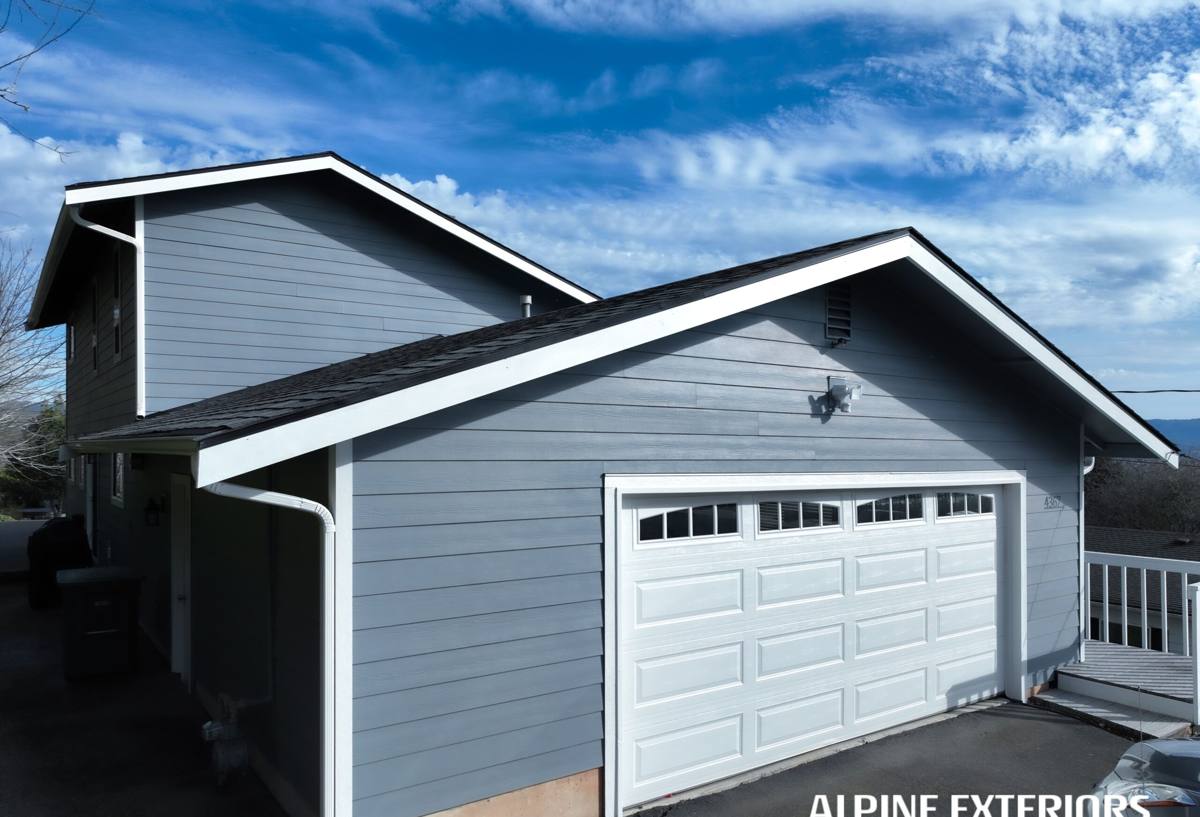
Why Conway's Climate Is Hard on Roofs
Salt Air and Metal Fatigue
Proximity to tidal water and the Sound means airborne salt reaches roofing hardware, flashing, and fasteners well before it would in a landlocked town. Salt accelerates corrosion on exposed metal, and once fasteners or flashing start rusting, they lose their grip and their seal at the same time. A repair that ignores hardware condition and only patches the visible material tends to fail again within a year or two.
Driving Rain and Wind-Driven Water
Storms coming off the Sound don't always fall straight down. Wind-driven rain gets pushed sideways and upward under shingle edges, around chimney flashing, and into any gap that a calm-weather rain would never reach. Roofs here need laps, flashing, and underlayment that account for rain moving at an angle, not just rain falling vertically.
The Long Moss Season
Shade, moisture, and mild temperatures make Skagit County prime moss territory, and Conway's low-lying, tree-adjacent lots are no exception. Moss doesn't just sit on top of shingles — its root structure works into the granule surface and lifts shingle edges, which opens the door for water intrusion during the next rain. Left untreated, moss growth is one of the most common reasons a small leak becomes a bigger repair.
Signs a Conway Roof Needs Repair, Not Just a Look
- Ceiling stains that appear or grow after a windy rainstorm specifically, not just any rain
- Granules collecting in gutters or at downspout outlets
- Visible moss mats, especially on north-facing slopes or shaded sections near trees
- Curling, cupping, or lifted shingle edges, particularly along rake edges and eaves
- Rust streaks below metal flashing, vents, or fasteners
- Soft or spongy decking felt underfoot in the attic near valleys or chimneys
- Daylight visible through the roof deck from inside the attic
- Ice or heavy moss buildup that never fully clears through spring
Any one of these on its own might be minor. Two or three together usually means water has already found a way past the surface layer, and the repair needs to address the underlying cause, not just the symptom.
What a Correct Roof Repair Actually Involves
A roof repair that holds up in this climate is more than swapping out a few damaged shingles. Here's what we check and address on every repair call in the Conway area:
Diagnosis Before Anything Gets Touched
We trace leaks to their actual source, which is often several feet from where the stain shows up inside. Water travels along rafters and decking before it drips, so a repair aimed at the visible stain instead of the entry point often misses the real problem entirely.
Flashing and Penetration Points
Chimneys, vents, skylights, and valleys are where most leaks actually start, not the open field of shingles. We inspect step flashing, counter-flashing, and sealant at every penetration, since these are the spots most exposed to wind-driven rain and most likely to have corroded fasteners from salt exposure.
Decking Condition
If water has been getting past the shingle layer for a while, the plywood or OSB decking underneath may be soft, delaminated, or rotted. Patching shingles over compromised decking is a temporary fix at best — we replace damaged decking sections so the new roofing material has something solid to anchor to.
Underlayment and Water-Resistive Barrier
In areas prone to wind-driven rain, the underlayment underneath the shingles matters as much as the shingles themselves. We make sure repaired sections tie back into an underlayment system that's actually sealed at laps and penetrations, not just loosely overlapped.
Moss and Debris Removal
Before any repair work begins, we clear moss and organic debris from the work area and surrounding roof planes. Repairing a section while moss continues growing nearby just invites the same damage back within a season or two.
Our Repair Process
- Inspection and honest assessment — we get on the roof (or use safe alternative inspection methods when conditions require it) and document what we find, including photos of the actual problem areas.
- Clear explanation of options — we explain what's causing the issue, what a proper repair involves, and when a repair genuinely makes more sense than a replacement — and we'll tell you plainly if it doesn't.
- Written scope and estimate — you know what's being done and roughly what it will cost before work starts.
- Repair work — decking replacement where needed, corrected flashing, matched roofing material, and proper sealing at every penetration and lap.
- Cleanup and walkthrough — we clear debris and old material from the property and walk the repair with you so you can see exactly what changed.
Repair vs. Replacement: How We Help You Decide
| Factor | Repair Usually Makes Sense | Replacement Worth Considering |
|---|---|---|
| Age of roof | Under 12-15 years, isolated damage | Nearing or past expected lifespan for the material |
| Extent of damage | Localized to one slope, valley, or penetration | Recurring leaks in multiple, unrelated areas |
| Decking condition | Solid decking beneath the damaged shingles | Widespread soft spots or rot across the deck |
| Moss history | First significant moss issue, caught early | Chronic moss damage across several past seasons |
| Underlying material | Materials still available or matchable | Discontinued or heavily faded material that won't match |
We'll never push a full replacement when a repair will genuinely hold up, and we'll never talk you into small patches when the underlying deck or material is past the point where repair makes financial sense. We lay out the honest comparison and let you make the call.
Common Cost Factors for Conway Roof Repairs
Every roof and every leak is different, so exact pricing depends on what we find during inspection. That said, a few factors consistently move the price in this area:
- How much decking needs replacement versus just surface material
- Roof pitch and access — steeper slopes and taller homes take more time and equipment
- Extent of moss removal required before repair work can begin
- Whether flashing needs full replacement or can be resealed and reused
- Material availability, especially matching older or discontinued shingle lines
- Number and complexity of penetrations (chimneys, skylights, multiple vents)
We give a written estimate after inspection, not a phone-quote guess, because guessing on a roof in this climate tends to be wrong in one direction or the other.
Why a Crew That Already Works Conway Matters
Roofing crews that mainly work drier, inland regions sometimes underestimate how much wind-driven rain and salt air change the math on flashing, fastener choice, and underlayment sealing. A crew that regularly works Anacortes, Conway, and the rest of Skagit County already knows which details matter here — how far moss can travel into a shingle mat before it's a structural concern, how quickly unprotected fasteners corrode this close to the water, and where wind-driven rain tends to find its way in on a typical Conway roofline. That local pattern recognition often means catching a problem during inspection that a generalist crew would miss until it became a bigger repair.
We also know the practical side of working here — seasonal weather windows, typical permitting for the area, and how to schedule repair work around the wettest stretches of the year so materials go down dry and seal properly the first time.
Maintenance That Extends a Repair's Lifespan
A good repair is only half the equation in this climate. A few habits go a long way toward protecting it:
- Keep gutters and downspouts clear so water doesn't back up under the roof edge
- Trim back overhanging branches to reduce shade and debris buildup, which slows moss regrowth
- Schedule a moss treatment or gentle cleaning before it takes hold heavily, rather than after
- Have penetrations and flashing checked every couple of years, since sealant and fasteners wear before shingles usually do
- Address small leaks immediately rather than waiting for a bigger storm to reveal how bad it's gotten
Get a Straightforward Assessment
If you're seeing signs of a leak, moss buildup, or storm damage on a Conway roof, it's worth getting an honest, on-site look before the next round of Skagit County rain makes the problem worse. We offer free, no-pressure estimates — we'll tell you what we find, what it will take to fix it correctly, and let you decide from there. Fill out the form below to get started.