 Anacortes Siding
 Burlington's Roof Problems Aren't Generic Roof Problems
Burlington sits in the part of Skagit County that gets the full mix of what Pacific Northwest weather can throw at a roof: long stretches of steady rain, salt-carrying air drifting in off Fidalgo Bay and the Sound, and shaded, moisture-trapping conditions that keep moss and algae growing for most of the year. A roof repair here isn't just patching a leak — it's addressing the specific way this climate breaks roofs down, which is different from how a roof fails in a drier inland county.
We're an Anacortes-based crew that works Burlington regularly, not a company passing through. That matters more on a roof than almost anywhere else on the house, because roof damage in this region is progressive — small problems left alone through one more wet season turn into deck rot, insulation damage, and interior repairs that cost far more than the original fix would have.
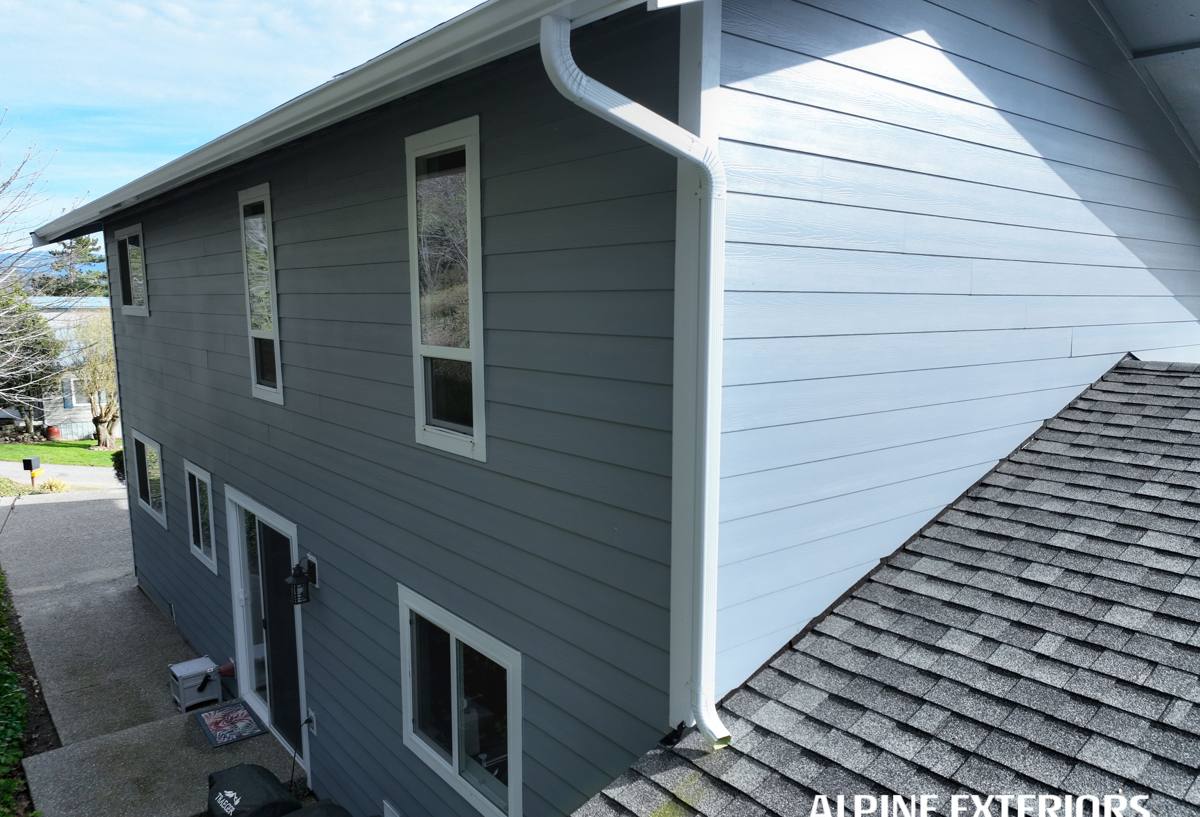
Why Local Roofs Fail: The Skagit County Climate Factor
Driving Rain and Wind-Driven Water
Storms coming off the water don't just drop rain straight down — wind pushes it sideways, up under shingle edges, and into any gap around flashing, vents, or valleys. A roof that would shed water fine in calm conditions can leak under Burlington's typical winter weather pattern if the flashing detail or shingle overlap isn't done correctly.
Salt Air and Metal Fatigue
Proximity to saltwater accelerates corrosion on exposed metal — flashing, nail heads, gutter hardware, and vent stacks age faster here than they would further inland. Once metal flashing starts to pit or rust through, it stops doing its job even if the shingles above it look fine, and that's a common source of leaks that seem to "come from nowhere."
Moss, Algae, and the Long Wet Season
Shade, moisture, and mild temperatures for much of the year make Burlington roofs prone to moss and algae growth that a drier climate simply doesn't produce at the same rate. Moss isn't just cosmetic — its root structure lifts shingle edges, holds water against the roof deck, and creates channels for water to travel sideways under the roofing material instead of off the edge. Left unchecked over a couple of wet seasons, moss growth alone can cause the kind of deck damage that turns a repair into a full section replacement.
Signs Your Burlington Roof Needs Repair
Most roof failures give warning signs well before there's an active leak inside the house. Homeowners who catch these early save significant money over homeowners who wait for a ceiling stain.
- Moss or algae streaking, especially on north-facing or shaded slopes
- Granules collecting in gutters or at downspout outlets
- Curling, cracked, or missing shingles, particularly after a windstorm
- Rusted, lifted, or visibly deteriorated flashing around chimneys, vents, and skylights
- Dark or damp patches on interior ceilings, especially near exterior walls
- Sagging in the roofline or soft spots when walking the attic deck
- Daylight visible through the roof deck from inside the attic
- Gutters pulling away from the fascia or overflowing during normal rain
What a Correct Roof Repair Actually Involves
A roof repair done right isn't just sealing the spot where water is showing up inside — that's usually not where the actual entry point is. Water travels along the roof deck and framing before it finds a way through drywall or insulation, so a leak that shows up in a bedroom ceiling might originate several feet away near a valley or vent penetration.
A proper repair process includes:
- Identifying the true entry point, not just the visible symptom
- Removing and inspecting the roofing material around the damaged area, not just the immediate spot
- Checking the roof deck underneath for soft, rotted, or delaminated wood
- Replacing damaged decking before any new roofing material goes down
- Installing new underlayment in the repaired section to restore the water barrier
- Correctly integrating new flashing so it overlaps and sheds water the way the original detail should have
- Matching shingle or roofing material as closely as possible so the repair blends and performs consistently with the surrounding roof
Skipping any of these steps is how a "repaired" roof leaks again within a year — usually because the deck underneath was never actually inspected, or the flashing was resealed instead of replaced.
Common Burlington Roof Repairs We Handle
| Repair Type | Typical Cause in This Area | What Drives the Cost |
|---|---|---|
| Moss and algae treatment with shingle repair | Shaded areas, long wet season, minimal sun exposure | Extent of growth, whether shingles need replacement underneath |
| Flashing replacement (chimney, vent, skylight) | Salt-air corrosion, wind-driven rain finding gaps | Number of penetrations, roof pitch, accessibility |
| Storm damage repair (wind, falling limbs) | Coastal wind events, mature trees near the roofline | Size of damaged area, deck condition underneath |
| Valley and deck repair | Water channeling and pooling in valleys over time | Extent of deck rot, valley length, material match |
| Gutter and edge repair | Debris buildup, ice in cold snaps, fascia water damage | Fascia condition, length of run, downspout rework |
Our Process for a Burlington Repair
We keep the process straightforward because homeowners deserve to know what's happening on their roof and why.
- Inspection. We walk the roof (weather permitting) and check the attic from inside, looking at decking, insulation, and any moisture staining that points to the real source of a leak.
- Honest assessment. We tell you what's actually wrong, what it will take to fix it correctly, and whether a repair makes sense versus a larger fix — including if we think the repair area is small enough that a full replacement isn't warranted.
- Written scope and price. No surprise add-ons once work starts unless we find hidden deck damage once the roofing material is opened up — and we'll show you that damage before proceeding.
- The repair. Deck replacement where needed, correct flashing, matched materials, and full cleanup of old material and debris.
- Follow-up. We check our work performs through the next round of weather, not just on a dry afternoon.
Repair vs. Replacement: How We Help You Decide
Not every damaged roof needs to be replaced, and not every "small leak" is actually small once you look at the deck underneath. We base the recommendation on a few honest factors rather than defaulting to the bigger job:
- Age of the roofing material. A localized repair on a roof with years of life left is usually the right call. The same damage on a roof already near the end of its service life is a signal to talk replacement instead of investing in patches.
- How widespread the damage is. One or two problem areas point to repair. Moss, granule loss, or flashing failure spread across most of the roof usually means the whole system is aging out at once.
- Deck condition. If the plywood or sheathing underneath is sound, repair makes sense. Widespread rot changes the math.
- How many past repairs there've been. A roof that keeps needing patch after patch in different spots is telling you something about its overall condition.
We'd rather do an honest repair that saves you money now than push a replacement you don't need — and we'll say so plainly if that's the situation.
Materials and Workmanship We Stand Behind
For repairs, matching the existing roofing material as closely as possible matters both for appearance and performance — mismatched shingle types can age and shed water differently, creating new problems at the seam between old and new. We use flashing and underlayment products suited to this region's wet, salt-air conditions, and we don't cut corners on the parts of a repair that aren't visible once the shingles go back down, because that's exactly where the next leak comes from if it's done wrong the first time.
Why a Local Anacortes Crew Matters for Burlington Homes
Roofing crews that don't work this area regularly often don't account for how differently roofs age here compared to drier parts of the state. A crew based in Anacortes and working Burlington routinely knows what moss growth patterns look like on local roof orientations, understands how salt air and wind-driven rain concentrate damage around flashing and valleys, and can get back out to a job quickly if something needs a follow-up look after a storm. That local familiarity shows up in the quality of the diagnosis as much as the quality of the repair itself.
Ready for an Honest Look at Your Roof?
If you're seeing moss buildup, a slow leak, or storm damage on a Burlington roof, we're happy to take a look and give you a straight answer about what it needs. Fill out the form below for a free, no-pressure estimate — we'll tell you honestly whether it's a repair or something bigger, and what it'll take to fix it right.