 Anacortes Siding
 Storm Damage Roof Repair in Burlington
When wind and rain move through Skagit County, Burlington roofs take it from more directions than most homeowners realize. It isn't just the storm itself — it's what the storm leaves behind. A few lifted shingles or a cracked pipe boot might not leak the day of the storm, but three weeks later, after the next round of driving rain off the water, that same spot is a stain on your ceiling. We work storm damage calls in Burlington on a regular basis, and the pattern is almost always the same: damage that looked minor from the ground turns out to need real attention once someone gets on the roof and looks closely.
This page covers what storm damage roof repair actually involves for a Burlington home — what to look for, what a correct repair looks like, and how we approach the job from the first call to the final walkthrough.
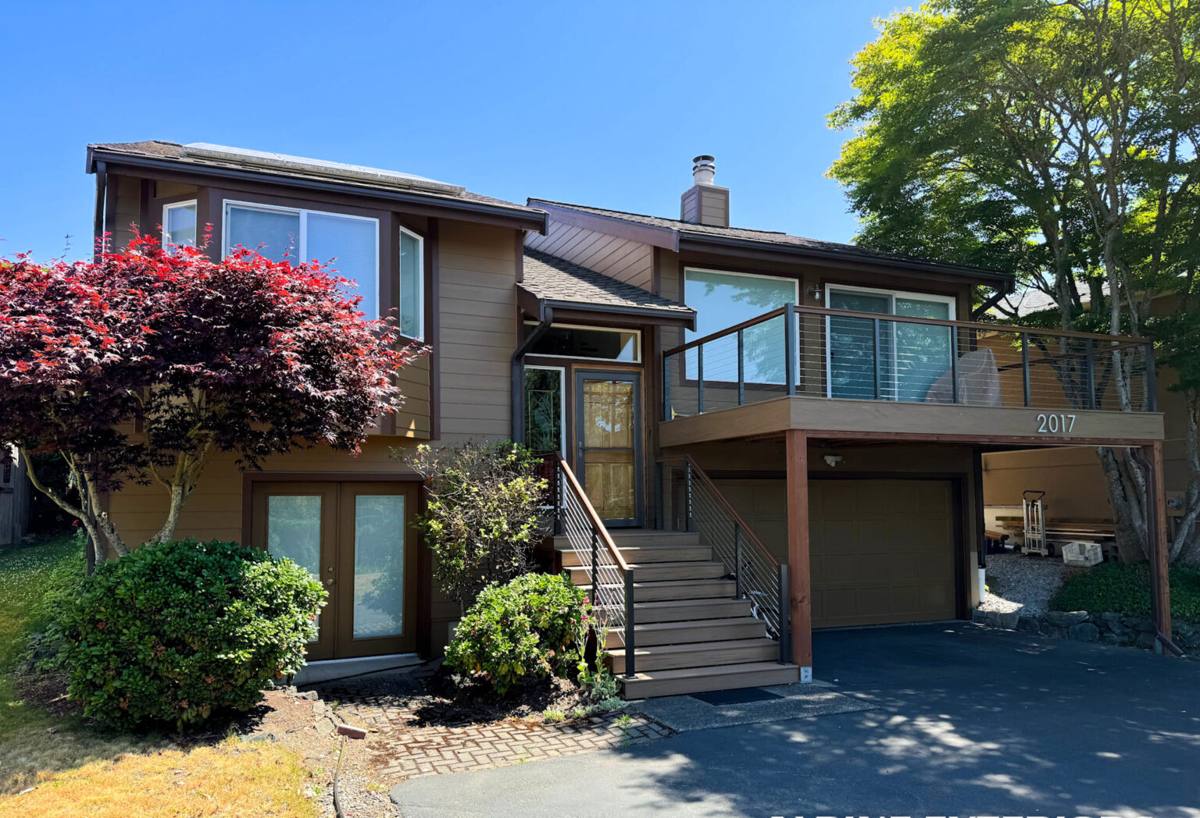
Why Burlington Roofs Take a Beating
Burlington sits inland from the water but still gets the full swing of Skagit County's wet-season weather — wind-driven rain, sudden gusts funneling through the valley, and long stretches of overcast, damp conditions that never let a roof fully dry out. Add in the salt-laden air that drifts inland from the Sound and the moss season that runs for much of the year, and you've got a combination that ages roofing material faster than homeowners expect.
The Three Things Working Against Your Roof
- Driving rain: wind-driven rain doesn't just fall — it pushes sideways and upward under shingle edges, flashing laps, and anywhere a seal has started to fail.
- Salt air: accelerates corrosion on exposed fasteners, flashing, and metal roof edges, especially on the side of a house that faces prevailing weather.
- Moss and moisture: a long, damp season means moss and algae get a real head start, and moss roots work their way under shingle tabs, lifting them just enough for wind to finish the job.
None of this means every Burlington roof is in bad shape — most hold up fine for their expected service life. But after a storm, these three factors are exactly why we don't just glance at a roof from the driveway and call it good.
What Counts as Storm Damage (and What Doesn't)
Not every roof problem that shows up after a storm was actually caused by the storm. Part of an honest inspection is telling the difference, because it affects both the repair scope and, if you're filing a claim, how the claim gets handled.
Typically Storm-Related
- Shingles torn loose, creased, or blown off entirely, usually on one side or corner of the roof
- Flashing bent, lifted, or pulled away from a chimney, wall, or roof valley
- Fresh granule loss concentrated in a wind-exposed area (as opposed to spread evenly across the whole roof)
- A pipe boot or vent cap cracked or knocked loose by a falling branch
- New leaks or ceiling stains that appeared within days of a known storm event
Typically Wear, Not Storm Damage
- Shingles that are curling, cupping, or brittle across the whole roof — that's age and sun/moisture cycling, not one storm
- Moss buildup and the granule loss that comes with it — a maintenance issue that predates the storm
- Rusted fasteners or corroded flashing that's been slowly failing for years
We point this distinction out plainly during the inspection, even when it means telling a homeowner that part of what they're seeing isn't storm-related. That's the difference between a repair that actually fixes the problem and one that just patches the symptom the storm happened to expose.
What We Look For on a Storm Damage Inspection
A storm damage inspection isn't a walk around the yard looking up. It's a systematic check of the areas most likely to have taken damage, done from the roof itself when it's safe to do so.
- Wind-exposed slopes and roof edges, where uplift damage shows up first
- Valleys and roof-to-wall intersections, where flashing failures cause the most leaks
- Every penetration — plumbing vents, exhaust vents, chimneys — since boots and collars are common failure points
- Gutters and downspouts for debris blockages that can back water up under the roof edge
- The attic or crawlspace above ceilings, checking for staining, damp insulation, or daylight where there shouldn't be any
- Siding and trim near the roofline, since wind damage often isn't limited to the roof alone
We document what we find with photos and a written summary, whether the repair is going through insurance or being paid out of pocket. That record matters either way — for a claim, and for your own file on the house.
Common Storm Damage Repairs
Most storm-related roof repairs in Burlington fall into a handful of categories. What separates a lasting repair from a temporary one is usually the prep work underneath — not just replacing what's visibly damaged.
| Damage Type | What a Correct Repair Involves |
|---|---|
| Missing or torn shingles | Remove surrounding damaged material, check the underlayment and decking beneath before installing new shingles matched as closely as possible to the existing roof |
| Lifted or bent flashing | Re-seat or replace the flashing with proper overlap and sealant, not just re-nailing it flat |
| Cracked pipe boots | Full boot replacement — a re-caulked crack is a short-term fix that fails again within a season or two |
| Localized leak with interior staining | Trace the water path to its actual entry point, which is often several feet from where the stain shows up, then repair at the source |
| Wind-lifted ridge cap | Re-secure or replace ridge shingles with correct fastener placement for wind exposure |
Repair or Full Replacement?
Storm damage doesn't automatically mean a new roof. Most of the calls we get in Burlington are legitimate repairs. But there are situations where patching a storm-damaged section isn't the honest recommendation, and we'll tell you when that's the case rather than defaulting to the smaller job.
| Factor | Repair Usually Makes Sense | Replacement Worth Discussing |
|---|---|---|
| Roof age | Under roughly 12-15 years, in otherwise sound condition | Nearing or past its expected service life |
| Extent of damage | Isolated to one section or a handful of spots | Widespread across multiple slopes |
| Underlying condition | Decking and underlayment intact when opened up | Soft decking, prior water damage, or failing underlayment found during inspection |
| Material match | Existing shingles still available or close match found | Discontinued product, patch would be visibly mismatched |
If a repair is the right call, that's what we'll recommend and price. We're not in the business of selling a full roof when a targeted repair solves the problem.
Our Process, Start to Finish
- You call or request an estimate. Tell us what you noticed — a leak, missing shingles you can see from the ground, storm date if you know it.
- We inspect the roof. Photos, notes, and a plain-language explanation of what we found, including what's storm-related and what isn't.
- We give you a written scope and price. No pressure to decide on the spot, and no vague line items — you'll know what's being repaired and why.
- If you're filing an insurance claim, we provide the documentation your adjuster will want and can walk the roof with them if that's helpful.
- We complete the repair using material matched to your existing roof wherever possible, with proper flashing and sealing detail — not just surface patching.
- Final walkthrough. We show you what was done before we consider the job finished.
Insurance Claims and Storm Damage
Many storm damage repairs in Burlington are handled through homeowners insurance, and the process goes smoother when the documentation is solid from the start.
What Helps Your Claim
- An inspection done close to the storm date, with dated photos
- A clear written description of the damage and its likely cause
- A repair scope that matches what the adjuster sees on their own inspection
We're not a public adjuster and won't claim to be — our role is giving you an honest, well-documented assessment of the roof itself. What you do with that information, whether it's filing a claim or paying for the repair directly, is your call.
Why It Matters That We Already Work in Burlington
A crew that regularly works Burlington and the surrounding Skagit County area has a working sense of how local weather actually affects roofs here — which slopes take the brunt of wind-driven rain, how fast moss reestablishes after a treatment, and what flashing details tend to fail first in this climate. That's not something you get from a general contractor passing through after a big storm cycle brings in outside crews chasing volume. We're going to be in Burlington and Anacortes long after the storm season passes, which is part of why we do the repair right the first time — a callback isn't good for either of us.
Simple Checklist Before You Call
- Note the date of the storm, if you know it
- Take photos from the ground of anything visibly missing or damaged, if it's safe to do so
- Check the attic or top-floor ceilings for new stains or damp spots
- Don't climb onto the roof yourself to inspect it — that's what we're for
- Avoid signing anything with a door-to-door storm chaser before getting a second opinion
If you've got storm damage on a Burlington roof — or you just want a second set of eyes after a rough weather week — we're glad to take a look. Request a free, no-pressure estimate using the form below and we'll get an inspection scheduled.