 Anacortes Siding
 Why Similk Beach Decks Take More Abuse Than Most
A deck in Similk Beach doesn't live an easy life. Sitting close to the water on Fidalgo Island puts a structure directly in the path of salt-laden air, wind-driven rain, and the kind of persistent damp shade that keeps moss growing for most of the year. None of that is unique to one yard or one lot — it's the baseline condition anyone building outdoors near the Anacortes shoreline has to design around. A deck built the same way you'd build one in a dry inland Skagit County neighborhood will show its age here faster: fasteners bleed rust, wood surfaces stay damp longer between rains, and moss finds a foothold in any spot that doesn't drain or dry out quickly.
None of this means a deck can't hold up well in Similk Beach. It means the build has to account for salt exposure, standing moisture, and moss from the framing up, not just at the surface. That's the difference between a deck that needs real repair work in five or six years and one that just needs normal upkeep for decades.
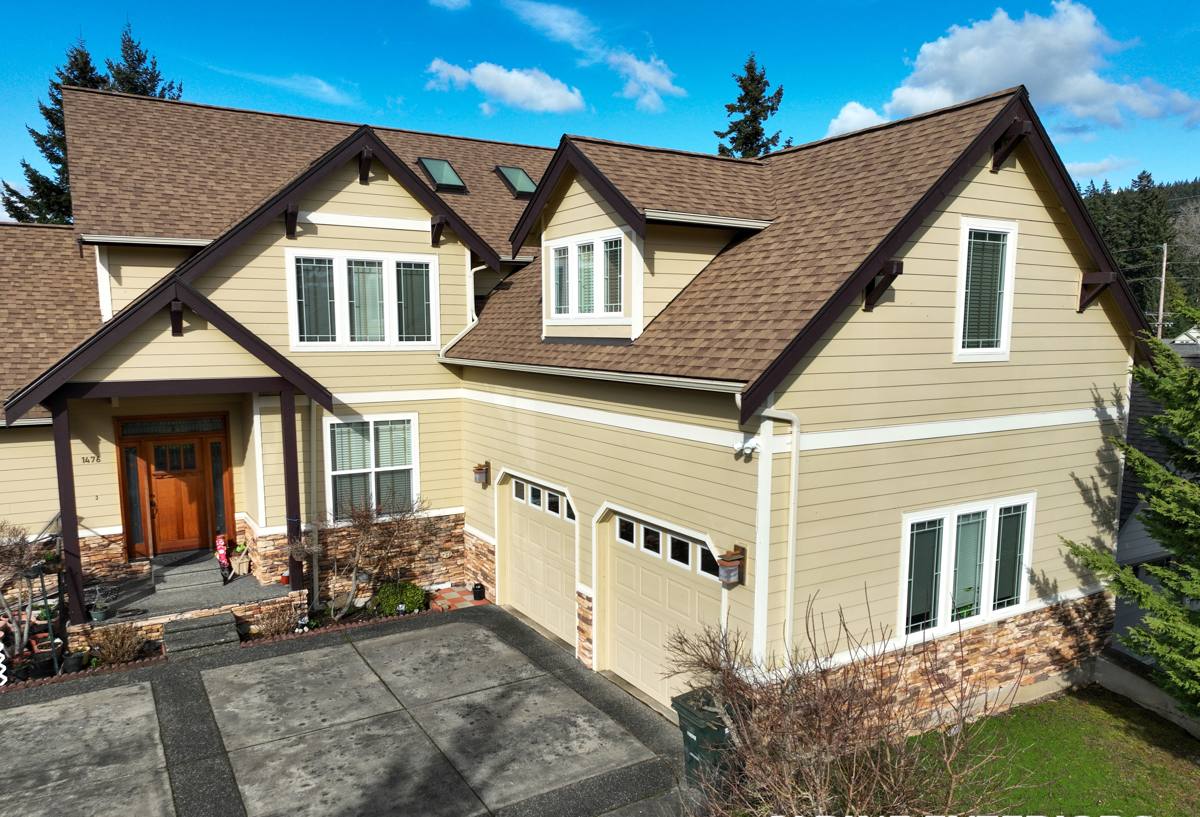
What a Custom Deck Here Actually Needs
Framing and Fasteners That Won't Corrode
The part of a deck nobody sees is usually the part that fails first near the water. Standard galvanized fasteners and hangers can start corroding within a few years when they're exposed to salt air and constant moisture cycling. For Similk Beach projects, we frame with corrosion-resistant hardware rated for the exposure — stainless steel or heavy-duty coated fasteners and joist hangers designed to hold up against salt, not just generic weather. It costs more up front than standard hardware. It's also the single biggest factor in whether a deck's structure is still sound in twenty years.
Ledger board flashing matters just as much. Where the deck attaches to the house is the most common place water gets in and causes hidden rot, and it's an easy detail to shortcut. We flash that connection properly every time, because a deck that looks fine on the surface can still be rotting from the ledger out if that step gets skipped.
Decking Material Choices
The decking surface itself needs to handle two things at once: moisture that doesn't evaporate quickly in our climate, and moss spores that will colonize any shaded, damp surface given the chance. Cedar, pressure-treated lumber, and composite decking each handle that differently, and the right choice depends on how much maintenance a homeowner actually wants to keep up with versus how much they want to spend up front.
Comparing Decking Materials for Salt Air and Moss
| Material | Moisture/Salt Air Behavior | Moss Resistance | Maintenance | Relative Upfront Cost |
|---|---|---|---|---|
| Cedar | Naturally moisture-resistant but still needs sealing to hold up long-term near salt air | Moderate — needs regular cleaning to stay ahead of it | Annual cleaning and re-sealing recommended | Medium |
| Pressure-Treated Lumber | Treated for rot resistance, but fasteners and hardware need to be rated to match the treatment chemicals | Moderate — same cleaning needs as cedar | Regular sealing, periodic board replacement over time | Low |
| Composite Decking | Doesn't absorb water or rot; surface stays stable through wet cycles | Higher resistance, though moss can still grow on a dirty or shaded surface | Occasional washing, no sealing or staining | Higher |
There's no universally "correct" answer here — a well-built cedar or pressure-treated deck can last a long time in Similk Beach if the homeowner stays on top of cleaning and sealing. Composite trades a higher material cost for less ongoing upkeep. We'll walk through the honest trade-offs for your specific site — sun exposure, shade, and how close you are to the water all affect which material makes the most sense.
Railings, Hardware, and the Corrosion Problem
Metal railings and hardware take the brunt of salt air exposure because there's more exposed metal surface than on the decking itself. Standard mill-finish aluminum or uncoated steel components can start showing pitting and discoloration well before the deck structure needs any attention. For Similk Beach installs, we spec railing systems and connectors rated for coastal exposure — proper powder coatings, marine-grade cable rail hardware where cable systems are used, and fasteners that match the corrosion resistance of the rest of the build. Mixing a high-quality decking material with bargain hardware is one of the most common shortcuts that shows up as rust streaks and failing connections a few years in.
Moss, Drainage, and Airflow Underneath
Moss doesn't grow because of one bad decision — it grows wherever moisture sits and air doesn't move. A few build details make a real difference over the life of the deck:
- Proper board spacing so water sheds through the deck surface instead of pooling on top
- A slight slope away from the house on the substructure so water doesn't collect against the ledger
- Open or vented skirting instead of sealed-in undersides, so the space beneath the deck can dry out between rains
- Keeping the deck surface and gaps clear of leaf litter and debris, which holds moisture and gives moss something to grow on
- Trimming back overhanging vegetation where possible to let more sun and air reach shaded sections
A deck that's designed to dry out between storms will always outperform one that's just built to shed the last rain and wait for the next. In a spot that gets a long moss season most of the year, that design difference matters more than almost any single material choice.
Permitting and Site Considerations in Skagit County
Most custom deck projects in and around Anacortes require a permit, and the requirements can shift depending on the deck's height, size, and proximity to property lines or the shoreline. Similk Beach's location near the water can also bring shoreline-related review into play depending on the specific lot. We handle the permitting process as part of the job — pulling the right permit, building to the structural requirements that apply, and scheduling inspections — so homeowners aren't left figuring out Skagit County or City of Anacortes requirements on their own.
Our Process for a Similk Beach Deck Project
- On-site assessment. We look at sun exposure, prevailing wind and rain direction, drainage on the lot, and how close the build site sits to the water, since that shapes material and hardware recommendations.
- Design and material selection. We go over decking, railing, and framing options honestly, including maintenance expectations for each, so the choice fits your budget and how much upkeep you actually want to do.
- Permitting. We handle the permit application and any required inspections before and during the build.
- Construction. Framing goes in first with corrosion-rated hardware and proper ledger flashing, followed by decking, railings, and any stairs or finish work.
- Final walkthrough. We go over the finished deck together and cover the specific maintenance steps that matter for your material choice and site conditions.
Keeping a Similk Beach Deck Looking Good Year After Year
Whatever material a deck is built from, a little seasonal attention goes a long way in this climate. A simple maintenance rhythm keeps most problems from ever starting:
- Sweep off leaves, needles, and debris regularly, especially in fall and through the wet months
- Wash the deck surface at least once or twice a year to interrupt moss and algae growth before it establishes
- Check railing hardware and fasteners periodically for early signs of rust or loosening
- Reseal wood decking on the schedule appropriate for the product — don't wait until it's visibly graying or absorbing water
- Keep gutters and downspouts near the deck clear so runoff isn't draining directly onto or under it
- Trim back plants and branches that keep sections of the deck shaded and slow to dry
Why Hiring a Crew That Already Works Similk Beach Matters
General deck-building experience doesn't automatically translate to building well in a salt-air, high-moisture coastal setting. A crew that regularly works this stretch of Anacortes already knows which fastener grades hold up, how to flash a ledger board properly for this level of moisture exposure, and where moss tends to establish itself first on a new build. That familiarity shows up in fewer callbacks and a deck that still looks and performs well well past the point where a shortcut-built deck would already need repair.
If you're planning a custom deck in Similk Beach, we're happy to walk your property, talk through honest material trade-offs for your specific site, and put together a plan built for the conditions your deck will actually face. Reach out for a free, no-pressure estimate using the form below.