 Anacortes Siding
 Roofing a Home in Edison, Washington
Edison sits low and close to the water, out on the flats between the farmland and the tide, which means the same weather that makes this stretch of Skagit County beautiful is also what wears a roof out early. Homes here take a steady diet of salt-laced air off the bay, wind-driven rain that doesn't fall so much as get pushed sideways under eaves and flashing, and a long, damp moss season that can run from October clear into May. A roof that would hold up fine twenty miles inland often needs replacing years sooner out here, simply because of where it sits.
This page is about one job done right in this one place: full new roof installation for Edison homes. Not a general overview of roofing — the specific decisions, materials, and installation details that matter when the house is a few minutes from Samish Bay and the roof has to shed salt air and standing moisture for the next few decades.
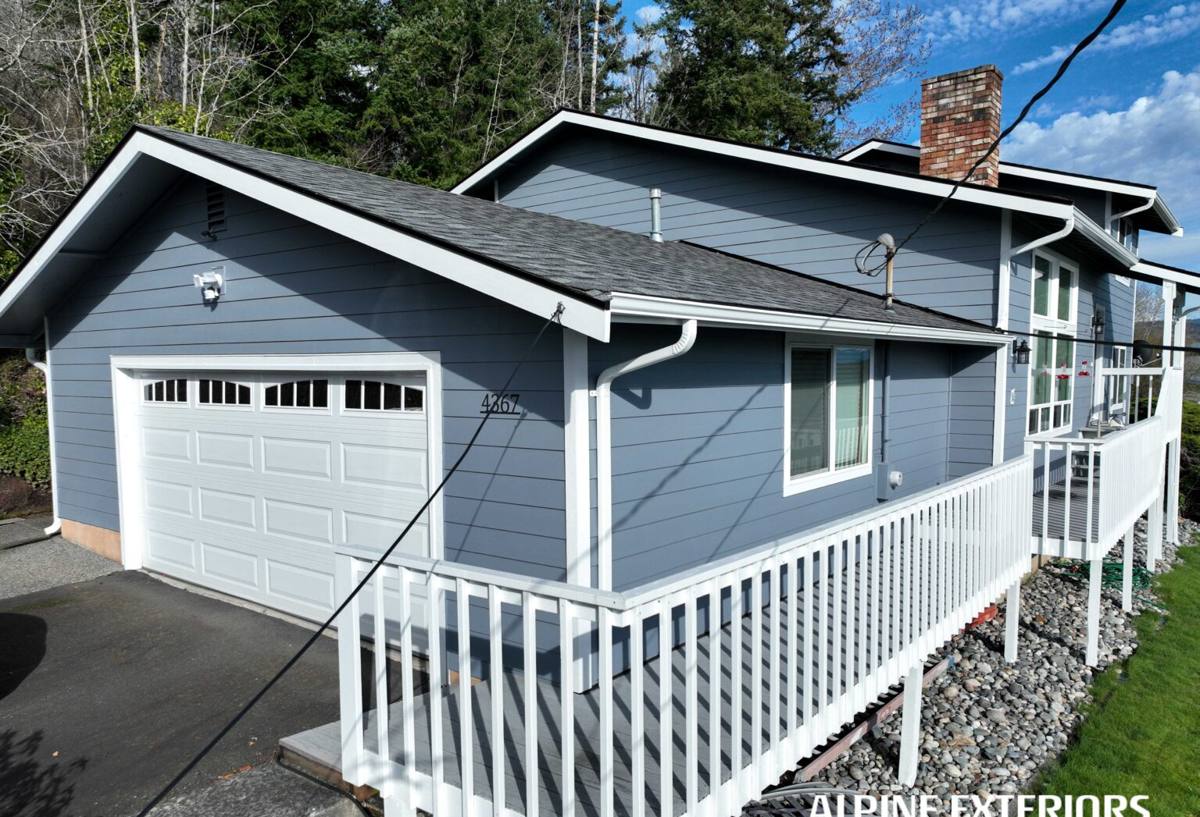
Why Edison's Climate Is Hard on Roofs
Salt Air and Corrosion
Airborne salt from the Salish Sea settles on everything, including roofing metal. Nails, flashing, drip edge, and fasteners that aren't rated for coastal exposure corrode faster here than they would even a short distance inland. Once a fastener starts to rust, the seal around it fails, and that's usually where a leak starts — not in the middle of a shingle field, but at a compromised fastener or flashing seam.
Driving Rain
Storms coming off the water don't just drop rain straight down — wind pushes it sideways and up under laps, ridge caps, and step flashing that were only ever designed to shed water moving downhill. A roof built to a minimum code standard can pass a dry-weather inspection and still leak the first time a real coastal storm blows through, because the installation didn't account for wind-driven moisture getting up under the material.
Moss and the Long Wet Season
Edison's tree cover, shaded north-facing slopes, and long stretch of overcast, wet weather give moss and algae months at a time to establish themselves on a roof. Moss isn't just cosmetic — it holds moisture directly against the roofing material, lifts shingle edges as it grows, and can work its way under laps and flashing over a season or two. A roof that isn't detailed to shed water fast and dry out between rain events will grow moss faster than one that is.
Signs an Edison Roof Needs Full Replacement, Not Another Repair
- Granule loss heavy enough that you can see bare asphalt on multiple slopes, not just one worn spot
- Shingles that are curling, cupping, or cracking across large sections rather than isolated spots
- Moss or algae that comes back within a season or two of cleaning, even after treatment
- Soft spots in the decking you can feel underfoot in the attic or through the roof surface
- Daylight visible through the roof deck from inside the attic
- Repeated leaks around the same penetration or valley despite prior patch repairs
- A roof that's already 18-25+ years old, which is near or past the practical service life for most asphalt systems in this climate
If a roof is only showing one or two of these on a small area, a repair may still make sense. Once several of these show up together, or the roof is old enough that further repairs are just delaying the inevitable, full replacement is usually the more honest recommendation — and the more cost-effective one over time.
What a Correct New Roof Installation Actually Involves
A roof is only as good as what's underneath the material you can see. For Edison homes specifically, we pay close attention to the layers that deal with wind-driven rain and salt exposure, not just the surface layer.
Tear-Off and Deck Inspection
We remove the old roofing down to the deck rather than layering over it. That lets us actually see the plywood or plank decking underneath — check for soft, rotted, or delaminated sections from past moisture intrusion — and replace only what needs replacing before anything new goes down. Roofing over a compromised deck just locks the problem in for another 20 years.
Ice and Water Shield in the Vulnerable Areas
Valleys, eaves, and areas prone to wind-driven rain get a self-adhering waterproof membrane underneath the roofing material, not just standard felt. This is the layer that keeps water out even if wind pushes rain up under the shingles or metal panels during a storm — which, given Edison's exposure, is a matter of when, not if.
Underlayment Across the Full Roof
A synthetic underlayment across the whole deck adds a second line of defense under the primary roofing material and holds up to the wet installation conditions common here better than older felt products.
Corrosion-Resistant Flashing and Fasteners
Given the salt air, we use flashing and fasteners rated for coastal exposure at chimneys, skylights, walls, and valleys, rather than standard-grade hardware that will start corroding within a few years of coastal exposure.
Ventilation
Proper intake and exhaust ventilation keeps the attic space drying out between rain events instead of staying damp, which helps control both moss growth on the roof surface and moisture problems in the attic itself. A roof can be installed perfectly and still underperform if the attic underneath it can't breathe.
Material Options for Edison Homes
There's no single "best" roofing material for every Edison home — it depends on the house, the budget, and how the roof is shaded and exposed. Here's how the common options stack up against this specific climate.
| Material | Coastal/Salt Air Performance | Moss Resistance | Typical Lifespan |
|---|---|---|---|
| Architectural asphalt shingle | Good, with corrosion-rated flashing and fasteners | Moderate — benefits from ventilation and periodic cleaning | 25-30 years |
| Standing seam metal | Very good when properly coated and fastened | Strong — sheds moisture quickly, little for moss to grip | 40-50+ years |
| Composite/synthetic shake | Good — doesn't absorb moisture like natural wood | Good | 30-40 years |
| Cedar shake | Requires diligent maintenance in salt/wet exposure | Poor without regular treatment | 20-30 years with upkeep |
We don't install natural cedar shake as a standard offering on homes this close to the water. It's not that cedar can't look good — it's that in a climate with this much sustained moisture and moss pressure, it demands a maintenance schedule most homeowners don't want to keep up with, and the warranty structure on most cedar products reflects that. We'd rather set expectations honestly up front than sell a roof that needs babying to perform.
Cost Factors for a New Roof in Edison
Every roof is priced on its own specifics, but the main variables we walk through with Edison homeowners are the same ones that drive cost anywhere, plus a couple that matter more here.
| Factor | Why It Matters Here |
|---|---|
| Roof size and pitch | Steeper roofs take longer to work safely and use more material per square |
| Deck condition | Rot from long-term moisture exposure means deck repair, found once tear-off starts |
| Material choice | Metal and composite shake cost more upfront but resist moss and corrosion longer |
| Flashing and fastener grade | Coastal-rated hardware costs more than standard grade but avoids early corrosion failures |
| Ventilation upgrades | Older Edison homes often need intake/exhaust improvements to control moss and attic moisture |
| Access and roof complexity | Multiple valleys, dormers, or tree cover add labor time |
Our Installation Process
- On-site assessment: We walk the roof and attic, check the deck, ventilation, and flashing details, and talk through what your home actually needs versus what's optional.
- Written estimate: Clear scope, material choice, and price — no vague allowances that turn into surprise add-ons later.
- Material staging and protection: Landscaping, siding, and gutters get protected before tear-off begins.
- Tear-off and deck inspection: Old roofing comes off, the deck gets inspected and repaired as needed.
- Waterproofing layers: Ice and water shield in vulnerable areas, underlayment across the full deck.
- Flashing and fastening: Corrosion-resistant materials installed at every penetration, valley, and edge.
- Roofing material installation: Installed to manufacturer spec and detailed for wind-driven rain, not just straight-down exposure.
- Ventilation check and final cleanup: Intake/exhaust confirmed, site cleaned, magnetic sweep for stray fasteners.
- Walkthrough: We show you the finished roof and go over care and warranty details before we consider the job done.
Why Hiring a Crew That Already Works in Edison Matters
A roofing crew that mostly works drier, inland areas doesn't always think in terms of wind-driven rain and salt corrosion by default — it's not part of their daily conditions. A crew that regularly works Edison and the surrounding Skagit County coastline builds those details into the job automatically: the flashing grade, the underlayment coverage, the ventilation math, the moss-resistant detailing. That's the difference between a roof that looks right on installation day and one that's still performing the way it should ten winters from now.
We also know what county permitting and inspection expects for roofing work in this area, so there are no surprises mid-project on that front either.
Questions to Ask Before Hiring for a Roof Replacement
- Are you licensed and insured to do roofing work in Washington State?
- What underlayment and ice/water shield do you use, and where specifically does it go on my roof?
- What grade of flashing and fasteners do you use given the coastal exposure here?
- Will you inspect and repair deck damage as part of the job, or is that a separate cost if found?
- What does the manufacturer's material warranty cover versus your workmanship warranty?
- How will you handle ventilation — are you just replacing what's there, or checking if it's adequate?
- Can I get the scope of work and material specifications in writing before work starts?
If a contractor can't answer these clearly, that's worth noticing before you sign anything.
Get a Free Estimate for Your Edison Roof
If your roof is showing its age, growing moss faster than it used to, or you just want an honest read on how much life it has left, we're glad to take a look. We'll walk the roof, explain what we find, and give you a straightforward written estimate — no pressure, no hard sell, just what your home actually needs given where it sits. Fill out the form below to get started.