 Anacortes Siding
 Edison sits out on the Skagit flats near the water, surrounded by open farmland and exposed to weather that moves in fast off Samish and Padilla Bay. Homes here take a different kind of beating than houses further inland in Anacortes or up toward Mount Vernon. Salt-laden air corrodes hardware faster, wind-driven rain finds every gap in old flashing, and the long wet season keeps moss and mildew working on anything that stays damp too long. Window installation in this area isn't a one-size-fits-all job, and doing it right means understanding what the flats actually do to a house over the years.
Why Edison's Location Puts Extra Demands on Windows
Edison is low, flat, and close to tidal water, which means a few things happen that don't show up the same way in more sheltered parts of Skagit County. Salt-bearing air moves inland off the bay and settles on window frames, hardware, and fasteners, speeding up corrosion on anything that isn't built or finished for it. Storms coming off the Salish Sea hit this stretch of coastline with driving rain that comes in sideways, not straight down, which puts real pressure on window flashing and trim that a gentler rain would never test.
The flats also hold moisture longer than higher ground. Farmland and low-lying yards keep humidity up around foundations and lower walls, and that dampness climbs into window openings if the original installation wasn't sealed and flashed correctly. Add in a moss season that can run most of the year in western Washington, and you get organic growth creeping onto north-facing frames and sills, holding moisture against wood and vinyl that should be shedding water, not soaking in it.
What This Means for Older Homes
A lot of the housing stock around Edison and the surrounding Skagit farmland is older, built well before current flashing and moisture-barrier standards existed. Original single-pane or early double-pane windows in these homes were rarely installed with modern weatherproofing behind the trim. When we pull old windows out of these houses, it's common to find sill rot, rusted-through nailing flanges, and insulation that's been wet for years without anyone knowing, because the damage was hidden behind the casing.
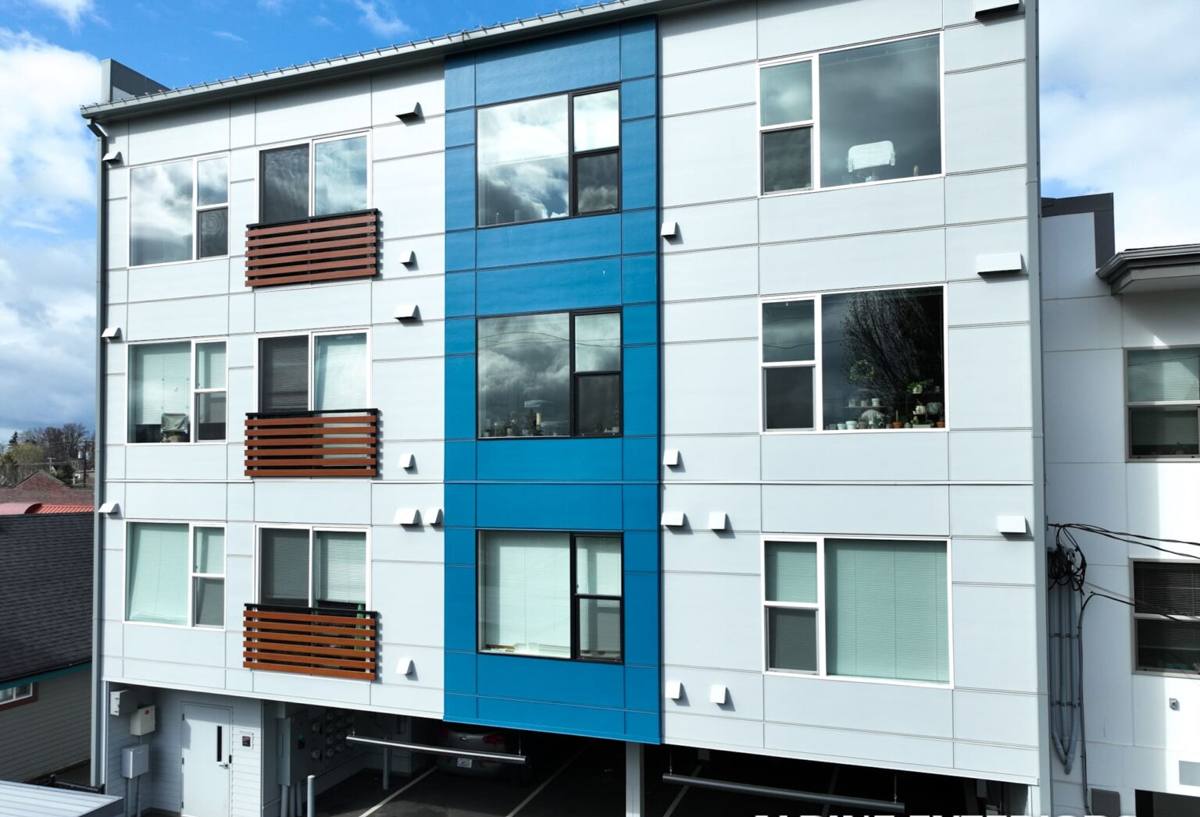
What a Correct Window Installation Actually Involves
Window installation looks simple from the outside — old window out, new window in — but the parts nobody sees are what determine whether it lasts twenty years or leaks in five. In a climate like this, skipping steps shows up fast.
Removal and Opening Inspection
Every installation starts with removing the old unit and actually looking at what's behind it. That means checking the sheathing, the framing, and the sill for rot, soft spots, or existing water staining before anything new goes in. If there's damage, it gets addressed then — covering it up with a new window and hoping for the best just relocates the problem a few years down the road.
Flashing and Weatherproofing
This is the step that matters most on the flats. Correct flashing means water that gets behind the siding or trim has a defined path back out, instead of soaking into the framing. That includes sill pan flashing at the bottom of the opening, proper head flashing above the window, and weather-resistant barrier tape integrated with the house wrap so everything sheds water downward and outward, shingle-style. Given how often wind-driven rain hits this area from odd angles, we don't treat flashing as optional trim work — it's the actual waterproofing system.
Insulation and Air Sealing
The gap between the window frame and the rough opening needs to be filled with a material that insulates without trapping moisture — typically a low-expansion foam or backer rod and sealant, not stuffed fiberglass that can hold water against the frame. Air sealing here also cuts down on drafts and condensation on the interior side of the glass, which matters during the damp Skagit winters.
Interior and Exterior Finish Work
Once the window is set, plumbed, leveled, and sealed, the trim and casing go back on — or new trim, if the old material was damaged. Exterior caulking gets matched to the siding material and left to cure properly rather than rushed. This is also when hardware, locks, and screens get checked to make sure everything operates smoothly before we leave.
Choosing the Right Window Material for This Climate
Not every window product handles salt air, humidity, and moss-season dampness equally well. Material choice affects both how the window performs here and how much upkeep it needs afterward.
| Material | Salt Air / Moisture Behavior | Maintenance Needs | General Cost Range |
|---|---|---|---|
| Vinyl | Won't rot or corrode; UV exposure over many years can affect finish | Low — occasional cleaning | Lower |
| Fiberglass | Very stable in moisture and temperature swings; resists corrosion well | Low | Mid to higher |
| Wood | Needs a well-maintained exterior finish to resist moisture and moss staining | Higher — periodic refinishing | Higher |
| Wood-clad (wood interior, metal or vinyl exterior) | Good exterior protection if cladding and flashing are done correctly | Moderate | Higher |
We don't push one material on every homeowner. The right call depends on the home's style, budget, and how much upkeep the owner wants to take on. What we do insist on is that whatever material is chosen gets installed with flashing and sealing details suited to this climate — the best window on the market still fails early if it's set into an opening that wasn't prepped correctly.
Common Problems We Find on Window Replacements in the Area
After years of working on homes throughout Anacortes and the surrounding Skagit County flats, certain issues show up over and over on older installations:
- Rusted or corroded nailing flanges and hardware from long-term salt air exposure
- Rotted sills and framing hidden behind trim, often not visible until the old window is removed
- Moss and mildew staining on north- and west-facing frames that stay shaded and damp
- Failed seals on old double-pane glass causing fogging or condensation between the panes
- Gaps in original flashing that let wind-driven rain track behind the siding
- Caulk that's cracked or pulled away, letting moisture in around the trim
None of these are unusual for a home that's been standing for a few decades in this environment. They're just the reason a proper inspection at removal matters more here than it would in a drier, more sheltered climate.
Our Process, Start to Finish
- Free on-site estimate — we look at your current windows, note any visible rot, drafts, or condensation issues, and talk through material options for your home and budget.
- Measurement and ordering — windows are measured precisely for your openings; nothing is a generic stock size unless that's genuinely the right fit.
- Removal and inspection — old units come out, and we check the framing and sill before installing anything new.
- Repair if needed — any rot or damage found gets addressed before the new window goes in, not covered over.
- Installation with proper flashing and sealing — set, leveled, flashed, insulated, and sealed to shed water correctly.
- Finish work and walkthrough — trim, caulking, hardware checks, and a walkthrough so you know how everything operates and what to expect.
Signs Your Windows Need Attention Now
A lot of window problems in this climate develop slowly and get written off as normal wear. Some signs worth taking seriously:
- Fogging or haze between the panes of a double-pane window (a sign the seal has failed)
- Soft or spongy wood at the sill or bottom corners of the frame
- Visible moss, algae, or dark staining on the frame or trim that keeps coming back
- Noticeable drafts or cold spots near the window even when it's closed and locked
- Difficulty opening, closing, or locking the window smoothly
- A jump in heating costs without any other clear explanation
Any one of these on its own might just need a repair. Several at once, especially on an older home, usually means the windows are past the point where patching makes sense.
Why It Matters to Hire a Crew That Already Works in Edison
A crew that's worked window installations throughout Edison, Bow, and the broader Skagit County flats already knows what this environment does to a house. That means recognizing salt-related corrosion on sight, knowing which flashing details actually hold up against driving rain off the bay, and understanding how moss and moisture behave on this specific stretch of coastline versus a drier inland location. It also means showing up prepared — with the right materials, the right sealants for this humidity, and realistic expectations about what an older home's framing might look like once the old window comes out.
Local experience also shortens the guesswork. We're not learning the quirks of this climate on your house — we've already seen how these homes age, what fails first, and what holds up.
Caring for New Windows After Installation
A properly installed window still benefits from basic upkeep in this climate. Rinsing salt residue off frames and hardware a few times a year keeps corrosion from getting a foothold, especially on homes with more direct bay exposure. Keeping gutters and nearby vegetation clear reduces the amount of standing moisture and shade that encourages moss growth near frames. Checking exterior caulking annually — especially after the wetter winter months — catches small gaps before they become active leaks. None of this is demanding work, but it's the difference between a window that performs well for decades and one that starts showing the same problems as the last one within ten years.
If your windows are drafty, fogged, rotting at the sill, or just old enough that you're wondering whether they're still doing their job, we'd be glad to take a look. We offer free, no-pressure estimates for homes throughout Edison and the surrounding Anacortes and Skagit County area — just fill out the form below and we'll set up a time to come take a look.