 Anacortes Siding
 Fidalgo Island Roofs Deal With a Different Kind of Wear
Fidalgo Island sits surrounded by the Salish Sea, and that location shapes everything about how a roof ages here. Homes on the island are exposed to salt-laden air moving in off the water, long stretches of driving rain through the fall and winter, and shade from the fir and cedar cover that keeps roof surfaces damp far longer than homes further inland in Skagit County. None of these factors alone is unusual for Western Washington. Together, on a peninsula like Fidalgo Island, they add up to roofs that need repair sooner and more often than the manufacturer's warranty paperwork would suggest.
A roof repair here isn't just patching a leak. It's addressing why that spot failed in the first place, given the specific combination of salt exposure, wind-driven rain, and moss that this stretch of Anacortes deals with every year.
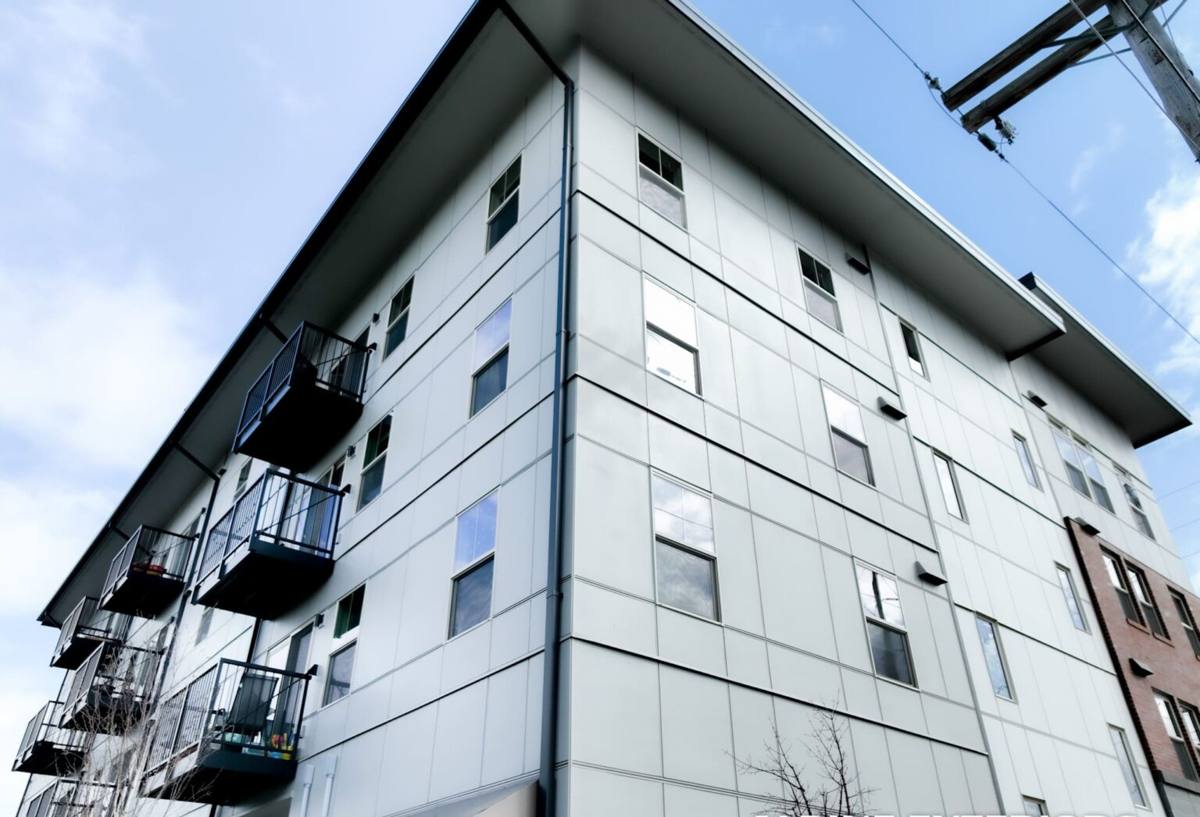
Common Roof Repair Issues We See on Fidalgo Island
Most repair calls on the island fall into a handful of recurring categories. Knowing which one you're dealing with matters, because a fix aimed at the wrong cause just buys you a few dry months before the leak comes back.
| Issue | What Causes It Here | What It Looks Like |
|---|---|---|
| Moss buildup under shingle edges | Shaded, north-facing slopes that stay damp for days after rain | Green or black streaking, lifted shingle tabs, granule loss in gutters |
| Corroded fasteners and flashing | Salt air moving off the water accelerating metal corrosion | Rust staining below nail heads, pinhole leaks at valleys and vent boots |
| Flashing failure at penetrations | Wind-driven rain forced sideways under poorly sealed flashing | Water stains on interior ceilings near chimneys, skylights, or vents |
| Clogged or sagging gutters | Heavy fir and cedar needle drop combined with high rainfall volume | Overflow staining on fascia, water tracking behind the roof edge |
| Soft or delaminating decking | Long-term moisture intrusion from an undetected slow leak | Spongy spots underfoot, sagging rooflines, interior mold or musty odor |
Moss: The Slow-Motion Roof Killer
Of everything on that list, moss deserves its own explanation, because it's the issue we get asked about most and the one homeowners most often underestimate. Moss doesn't just sit on top of a roof looking unattractive. Its rhizoids work down into the granule layer of a shingle, and as moss mats grow, they hold water against the roof surface long after the rest of the neighborhood has dried out. That constant moisture accelerates granule loss, softens the asphalt mat underneath, and eventually lifts shingle edges enough for wind-driven rain to get underneath.
Why Fidalgo Island Sees More of It
Tree cover, shaded northern exposures, and a long wet season combine to create ideal moss conditions on a large share of the island's roofs. A roof in full sun for most of the day might go years without a moss problem. A roof shaded by mature trees, which describes a lot of Fidalgo Island lots, can develop significant moss cover in far less time.
Treating It Correctly
Scraping moss off with a shovel or pressure washer does more damage than the moss itself — it strips granules and drives water into seams. Correct treatment means gentle removal with the roof's grain, a moss treatment application, and often zinc or copper strips near the ridge that release trace metals with each rain to discourage regrowth. That last step is a genuine long-term prevention measure, not a guarantee, and we'll tell you honestly which roofs will benefit from it and which won't.
What a Correct Roof Repair Actually Involves
A roof repair that holds up on Fidalgo Island has to account for the same conditions that caused the original damage. That means going beyond the visible leak point.
Finding the Real Source
Water travels. A stain on a ceiling is rarely directly below the actual entry point — it often runs along a rafter or along the underlayment before showing up inside. We trace the path back to the actual failure, whether that's a cracked pipe boot, a nail pop, a compromised valley, or a section of underlayment that's simply worn out.
Matching Materials, Not Just Colors
Shingles fade and weather over time, so a repair patch using brand-new material will often stand out. We work to match not just color but shingle profile and, where possible, source from the same manufacturer line as the existing roof so the repair blends in and performs the same way as the surrounding material.
Flashing and Underlayment First
Shingles get the attention, but flashing and underlayment are what actually keep water out at valleys, chimneys, skylights, and wall intersections. A repair that replaces shingles without addressing failed flashing or worn underlayment underneath is a temporary fix dressed up as a permanent one.
Checking Ventilation While We're Up There
Poor attic ventilation traps moisture underneath the deck, which speeds up the same rot and delamination that surface leaks cause. If we spot ventilation problems while diagnosing a repair, we'll flag it — it's often a small, inexpensive fix that extends the life of everything else we just repaired.
Signs Your Fidalgo Island Roof Needs Repair Now
Some warning signs are obvious. Others get dismissed as normal wear until they turn into a bigger repair. Here's what we'd want a homeowner on the island to watch for between professional inspections:
- Granules collecting in gutters or at the base of downspouts
- Green or black streaking on north-facing or shaded roof slopes
- Shingle tabs that look lifted, curled, or cupped at the edges
- Any water stain on an interior ceiling, even a small one that seems to have dried
- Daylight visible through the attic roof deck
- Rust staining around vent pipes, chimney flashing, or valley metal
- Gutters overflowing during normal rain, not just heavy storms
- A musty smell in the attic or top-floor closets during the wet months
Any one of these on its own might not mean much. Two or three together usually mean water has already found a way in.
Our Roof Repair Process
We keep the process straightforward, because most homeowners calling about a repair are already dealing with a stressful situation and don't need extra confusion added to it.
- Inspection. We get on the roof and in the attic where accessible, tracing the actual path of the leak rather than just patching the spot where it showed up inside.
- Honest diagnosis. We tell you what's actually wrong, what caused it, and whether it's an isolated repair or a sign of a bigger issue developing elsewhere on the roof.
- Clear estimate. You get a written scope and price before any work starts — no surprise add-ons once we're already up there.
- The repair. We complete the work with materials matched to your existing roof wherever possible, addressing flashing and underlayment along with the visible shingle damage.
- Cleanup and walkthrough. Job site cleared of debris and old material, with a quick walkthrough of what we did and what to watch for going forward.
Repair or Replace? How We Help You Decide
Not every roof problem calls for a full replacement, and not every roof problem should be patched indefinitely either. We look at three things when helping a homeowner decide: the age of the existing roof relative to its expected lifespan, how widespread the damage is versus how isolated, and how many times the roof has already been repaired in the same area.
| Factor | Favors Repair | Favors Replacement |
|---|---|---|
| Roof age | Under 15-20 years, depending on material | Near or past expected material lifespan |
| Damage extent | Isolated to one section or penetration | Spread across multiple slopes or repeat leak sites |
| Decking condition | Solid, no soft spots found during inspection | Soft, delaminated, or previously water-damaged |
| Repair history | First or second repair in this location | Same spot repaired multiple times already |
We're not going to push a full replacement when a solid repair will genuinely hold. We're also not going to keep patching a roof that's telling us, through repeat failures, that it's past the point where repair is the economical choice.
Why a Crew That Already Works Fidalgo Island Matters
Roofing conditions vary block to block on the island depending on tree cover, sun exposure, and how directly a home faces the water. A crew that works this area regularly has already seen how a given roof type and slope behave under these specific conditions — which valleys tend to collect moss first, which flashing details hold up to wind-driven rain off the water and which don't, and which materials perform well against salt air exposure versus which corrode faster than their warranty suggests.
There's also a practical side to being local. Storm damage doesn't wait for a convenient time, and a crew based near Anacortes can respond faster than one dispatched from further away in Skagit County or beyond. Familiarity with local permitting requirements and inspection expectations also keeps a repair project moving without the delays that come from a contractor working somewhere unfamiliar.
Maintenance That Extends the Life of a Repair
A repair holds longer when it's supported by basic seasonal upkeep. We tell every customer the same thing, whether they hire us for the repair or not:
- Clear gutters and downspouts at least twice a year, more often under heavy tree cover
- Trim back branches that overhang the roofline to reduce shade, debris, and abrasion
- Have the roof inspected after any major windstorm, not just on a fixed annual schedule
- Address moss at the first sign of it rather than waiting for a full growing season
- Keep an eye on attic ventilation, especially if the home has had condensation issues before
None of this replaces a professional inspection, but it meaningfully slows down the conditions that cause repeat repairs on island roofs.
Get a Straightforward Look at Your Roof
If you're dealing with a leak, visible moss, or just want an honest read on where your roof stands, we're glad to take a look. The estimate is free, there's no pressure attached to it, and you'll get a clear explanation of what we find — simply fill out the form below to get started.