 Anacortes Siding
 Why Flounder Bay Homes Need a Roof Built for This Exact Location
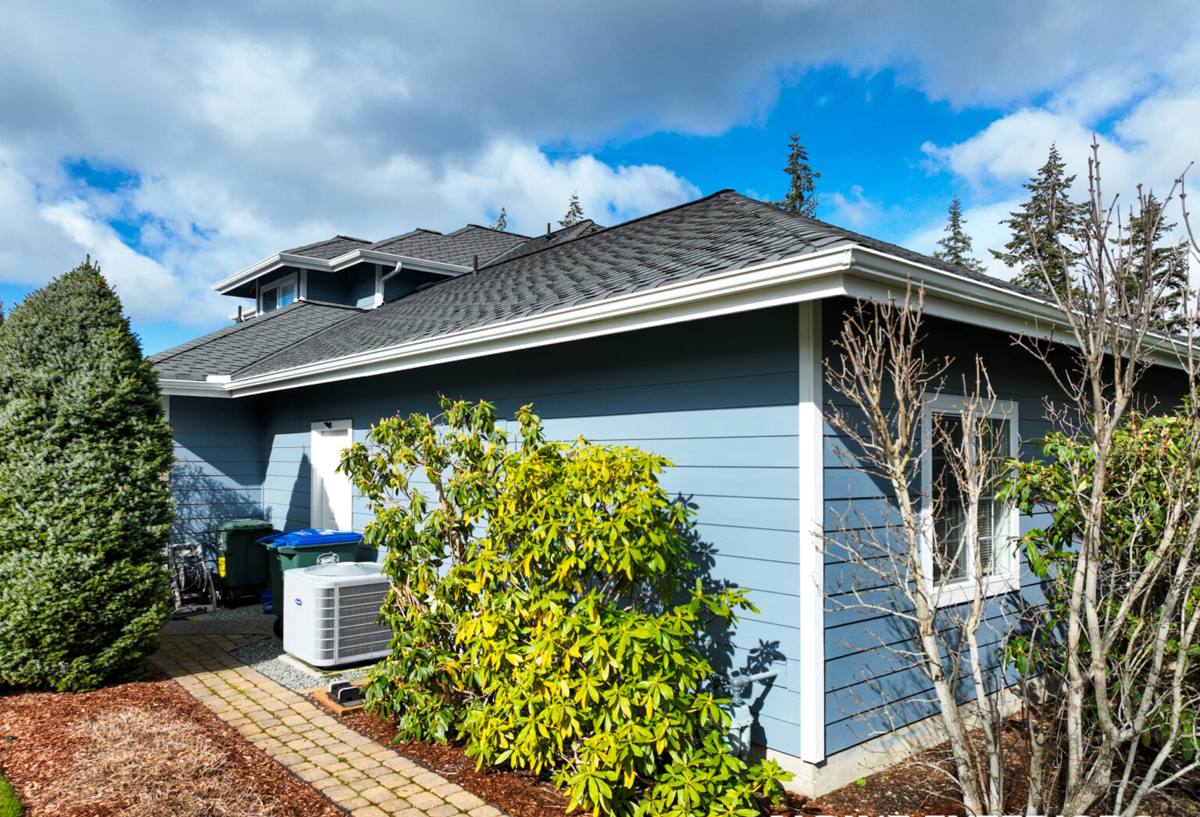
Flounder Bay sits close enough to the water that homes here take a different kind of weathering than a house a few miles inland in Skagit County. The combination is specific: salt-laden air moving off the bay, driving rain that comes in sideways during winter storms, and long stretches of damp, low-sun weather that let moss and algae take hold on roofs that would stay cleaner elsewhere. None of these factors alone would wreck a roof fast. Together, over years, they shorten the life of a poorly installed or wrong-for-the-site roofing system considerably.
A new roof installation in this neighborhood isn't just "put shingles on a house." It's a set of decisions — material, ventilation, flashing detail, fastener choice — that either account for that coastal exposure or don't. We've installed roofs across Anacortes and Fidalgo Island long enough to know which shortcuts show up as leaks and premature failure near the water, and we build every Flounder Bay job around avoiding them.
What Salt Air and Moss Actually Do to a Roof
It helps to understand the mechanism, not just the symptom.
Salt Air and Metal Fasteners
Airborne salt accelerates corrosion on exposed metal — nail heads, flashing edges, drip edge seams, and any hardware that isn't rated for coastal exposure. A roof installed with standard fasteners in a salt-air zone can show rust streaking and weakened nail heads years before an identical roof would inland. The fix isn't complicated, but it does cost more up front: corrosion-resistant fasteners and flashing metals rated for coastal use.
Driving Rain and Wind-Driven Water
Storms off the water don't just drop rain straight down — they push it sideways and up under laps, edges, and penetrations that a calmer inland rain would never test. This is why underlayment coverage, shingle nailing pattern, and flashing overlap direction matter more here than in a sheltered location. A roof that would perform fine on a protected lot a few miles away can leak at Flounder Bay if those details are treated as optional.
Moss and Algae Growth
Northwest Washington's damp, shaded winters are moss-friendly everywhere, but properties near the bay with tree cover and limited sun exposure see it worse and sooner. Moss isn't just cosmetic — it holds moisture against the roofing surface, works its way under shingle tabs and shakes, and can lift material enough to let water in. A roof that's designed and maintained with moss growth in mind lasts meaningfully longer than one that isn't.
What a Correct New Roof Installation Involves
A quality installation here follows the same core sequence as anywhere, but several steps get extra attention because of the site conditions.
Tear-Off and Deck Inspection
We remove the old roofing down to the deck rather than layering over it. This lets us actually see the plywood or plank sheathing underneath — soft spots, old water staining, and rot show up here first, usually near valleys, chimneys, and eaves where moisture has had the most opportunity to sit. Any damaged decking gets replaced before anything new goes down. Skipping this step is the single most common reason a "new roof" fails early.
Underlayment and Moisture Barrier
Given the rain exposure here, we don't treat underlayment as an afterthought. Self-adhered ice-and-water shield goes at eaves, valleys, and around all penetrations — the places wind-driven rain is most likely to find a way in — with synthetic underlayment across the rest of the deck for a durable, water-resistant layer beneath the roofing material itself.
Ventilation
A roof deck that can't breathe traps moisture from inside the house against the underside of the sheathing, which speeds up rot and can shorten shingle life from underneath. We check existing intake and exhaust ventilation and correct it as part of the install rather than assuming the old system was adequate — a lot of older Fidalgo Island homes were built before current ventilation standards.
Flashing at Every Transition
Chimneys, skylights, sidewalls, and roof-to-wall transitions are where the majority of roof leaks actually originate — not the open field of shingles. We install new flashing (not reused old flashing) at every one of these points, lapped in the correct direction for water shedding and sealed to the specific material being used.
Choosing the Right Roofing Material for This Site
There's no single "best" roofing material — the right choice depends on your home's exposure, roof pitch, budget, and how much long-term maintenance you want to take on. Here's how the common options compare for a Flounder Bay property specifically.
| Material | Coastal/Moisture Performance | Moss Resistance | Typical Lifespan | Relative Cost |
|---|---|---|---|---|
| Architectural asphalt shingle | Good, when installed with full moisture barrier detailing | Moderate — benefits from algae-resistant granules | 25–30 years | $–$$ |
| Standing seam metal | Excellent when fasteners/flashing are coastal-rated | High — sheds moisture, little for moss to grip | 40–50+ years | $$$ |
| Synthetic (composite) shake/slate | Very good — engineered to resist moisture absorption | Good | 30–50 years | $$–$$$ |
| Cedar shake | Fair — natural wood absorbs moisture and needs upkeep near salt air | Low without regular treatment | 20–30 years with maintenance | $$–$$$ |
We're honest with homeowners about trade-offs rather than pushing one product. Cedar shake has real visual appeal and plenty of history in this region, but it demands more upkeep in a damp, salt-air environment — periodic treatment, more frequent moss removal, and closer attention to ventilation underneath. If low-maintenance, long-term performance near the water is the priority, metal or a quality synthetic shingle usually makes more sense; if the classic look matters more than minimizing upkeep, cedar can still work with the right maintenance commitment. We'll walk through what fits your home and budget rather than defaulting to what's easiest to install.
Our Installation Process, Step by Step
- On-site assessment — we inspect the existing roof, attic ventilation, and deck condition, and check exposure to prevailing wind and rain direction specific to your lot.
- Written estimate — material options, scope, and pricing laid out clearly, with no vague allowances.
- Scheduling around weather — we plan installation for a dry work window; a roof deck shouldn't sit open in the rain.
- Tear-off and deck repair — old material removed, sheathing inspected and repaired as needed.
- Underlayment and flashing installation — full moisture barrier and new flashing at every transition point.
- Roofing material installation — installed to manufacturer spec and adjusted for coastal wind/rain exposure.
- Ventilation check and correction — intake and exhaust confirmed adequate for the home's attic space.
- Final walkthrough — cleanup, inspection, and a review of what was done and what to expect going forward.
Timeline and What to Expect
Most single-family roof replacements in this area take one to a few days of actual on-roof work once we start, depending on roof size, pitch, and material. The bigger variable is weather scheduling — because rain compromises an open deck, we plan installs for realistic dry windows rather than rushing a job into a forecast that doesn't cooperate. We'll give you a clear timeframe up front and keep you posted if conditions push the schedule.
You should also expect noise and some yard disruption during tear-off and material staging, debris removal as part of the job (not left for you to deal with), and a final walkthrough where we point out anything worth knowing about your specific roof going forward — valleys, penetrations, or shaded areas likely to need periodic moss attention.
Signs Your Flounder Bay Home May Need a New Roof
- Shingles that are curling, cracking, or losing significant granules
- Visible moss or algae buildup that returns quickly after cleaning
- Daylight visible through the roof deck from inside the attic
- Water stains on interior ceilings or in the attic, especially near chimneys or valleys
- Rusted, lifted, or missing flashing around penetrations
- A roof approaching or past the manufacturer's expected lifespan for its material
- Sagging areas in the roofline, which can indicate deck or structural moisture damage
Any one of these on its own doesn't necessarily mean full replacement is required — sometimes targeted repair is the right call. But in a salt-air, high-rain environment, problems tend to compound faster than homeowners expect, so it's worth having them looked at rather than waiting.
Cost Factors to Understand Before You Get Quotes
Roofing quotes vary for real reasons, and it's worth knowing what actually drives the number instead of just comparing bottom-line prices.
| Factor | Why It Affects Cost |
|---|---|
| Roof size and pitch | Larger and steeper roofs take more material and labor time, and steep pitches require more safety setup |
| Deck condition | Rotted or damaged sheathing found during tear-off adds repair cost that can't always be predicted before opening the roof |
| Material selection | Asphalt, metal, and synthetic products vary significantly in material cost and lifespan value |
| Flashing and penetration complexity | Chimneys, skylights, and multiple roof planes all add flashing work |
| Ventilation corrections | Adding or upgrading intake/exhaust venting is sometimes needed on older homes |
| Access and site conditions | Tree cover, tight lot access, or steep driveways can affect staging and disposal logistics |
We'll break these out clearly in your estimate rather than handing you a single lump number, so you know what you're actually paying for.
Why Hiring a Crew That Already Works in Flounder Bay Matters
A roofing crew that mostly works drier, inland conditions can do fine work and still get the coastal details wrong — not from carelessness, but because they're not used to building for this specific exposure. Working regularly around Anacortes and the bay means we already know which flashing details, fastener specs, and ventilation setups hold up here, and we don't have to relearn that on your roof. It also means we understand realistic scheduling around Skagit County's wet season and can plan installs to avoid rushing work into bad weather.
Local experience also shows up in smaller ways: knowing which areas of a property tend to hold shade and grow moss faster, understanding typical permitting and inspection expectations for the area, and being reachable afterward if a question comes up rather than being a crew that passed through once.
Ready to Talk About Your Roof?
If your roof is showing wear, past its expected lifespan, or you just want an honest read on its condition, we're happy to come take a look. We'll give you a straightforward assessment, walk through material options that make sense for a Flounder Bay property, and provide a clear, no-pressure estimate — use the form below to get started.