 Anacortes Siding
 Building New on Guemes Island Comes With Its Own Window Rules
Guemes Island sits just across the ferry landing from Anacortes, and that short crossing changes more about a construction project than most people expect. Material deliveries have to be timed around the ferry schedule, crews need to plan their day around sailings instead of just drive time, and the island's exposure to open water means the building envelope has to work harder than it would a few miles inland. When new-construction windows go in wrong on a project like this, the fixes are not a quick truck-roll — they are a ferry reservation, a delivery window, and a full day lost to logistics. Getting the window package right the first time matters more here than almost anywhere else in Skagit County.
This page is about one job specifically: installing windows during new construction on Guemes Island — not repairs, not replacements in an existing wall, but the window package that goes in while the house is still framed open and the building is being weathered-in for the first time.
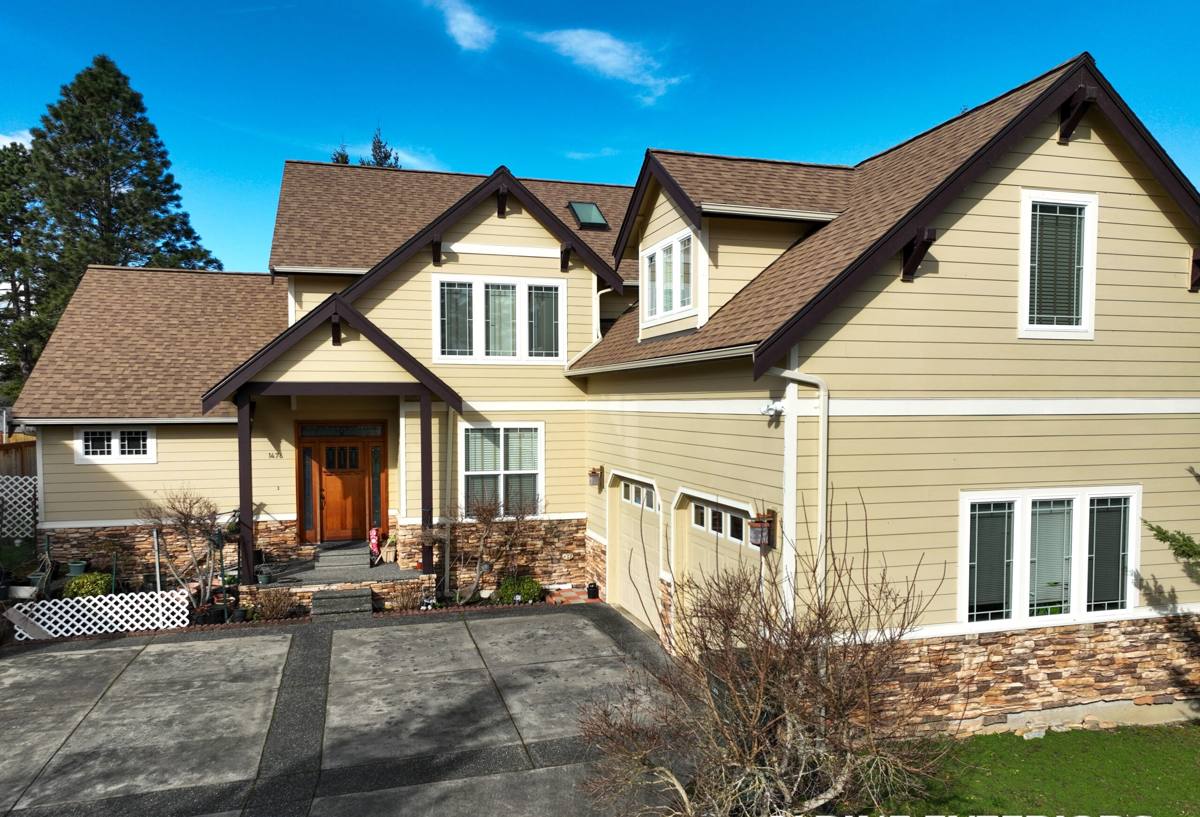
What Guemes Island's Climate Actually Does to a New Building Envelope
Guemes Island gets the full Rosario Strait treatment — salt-laden air, wind-driven rain that comes in sideways more often than straight down, and a wet season that runs long even by Pacific Northwest standards. A few things that matter specifically for new construction:
- Salt air accelerates corrosion on unprotected fasteners, uncoated flashing, and lower-grade hardware — a slow process, but new construction is when it's cheapest to build in resistance.
- Driving rain tests flashing details, not just the window unit. Wind off the water pushes water sideways and upward in gusts, which means head flashing, sill pans, and side-jamb integration all have to be done correctly, every time — not just on the windward side of the house.
- Moss and organic growth thrive in the shaded, damp microclimates that new landscaping and tree cover create around a fresh build. Trim details and sill design that shed water cleanly reduce how much of that growth creeps onto window surfaces over the years.
- Exposed, waterfront, and bluff lots — common on Guemes — see meaningfully higher wind-driven rain loads than a sheltered inland lot, which is a real factor in window selection and flashing approach, not just a general climate note.
None of this is exotic. It is standard marine Pacific Northwest exposure, the same conditions that shape our work across Anacortes and the rest of Skagit County — but on Guemes it is less buffered by tree lines and terrain than on many mainland lots, so the margin for error in the install is smaller.
Why New Construction Is the Best (and Only Real) Chance to Get This Right
Once siding, trim, and interior finish are closed up around a window, correcting a bad flashing detail means opening the wall back up. During new construction, we have full access to the rough opening, the weather-resistive barrier, and the framing — which means the water management system around each window can be built correctly from the sill up, instead of retrofitted around finished work later.
This is also the stage where window selection has the most leverage. Frame material, glazing package, and hardware grade are far easier and cheaper to decide correctly now than to upgrade after the house is finished and occupied.
What a Correct New-Construction Window Install Actually Involves
- Verifying rough openings are square, level, and correctly sized before any window is set — a step that gets rushed on tight schedules and causes problems for years afterward.
- Installing a proper sill pan flashing that directs any water that gets past the window back out, not into the wall cavity.
- Integrating window flashing with the weather-resistive barrier in the correct shingle-lap sequence — head flashing over the WRB, side and sill flashing under it, so water always sheds outward and downward.
- Sealing and insulating the gap between the window frame and rough opening with an appropriate, compatible product — not just canned foam sprayed in without regard to expansion pressure on the frame.
- Setting units plumb, level, and square, then confirming operation (for anything operable) before the wall is closed up behind it.
- Using fasteners and flashing tapes rated for coastal/marine exposure, given the salt air on Guemes.
Choosing Window Products for a Guemes Island Build
We install a range of window lines and don't push a single brand as a universal answer — the right product depends on the home's design, budget, and exposure. A few general product considerations that matter more on an island lot than a typical inland one:
| Factor | Why It Matters on Guemes Island |
|---|---|
| Frame material | Vinyl, fiberglass, and clad-wood all perform differently in salt air and sun exposure; fiberglass and quality vinyl generally resist coastal wear with less maintenance than bare wood. |
| Hardware and fastener coating | Standard-grade hardware can corrode faster in salt air; marine-rated or corrosion-resistant hardware holds up longer near open water. |
| Glazing package | Double- or triple-pane with a low-E coating helps with both energy performance and condensation control in a home that sees big day-to-night temperature swings near the water. |
| Water performance rating | Windows are independently rated for air, water, and structural performance (look for NFRC and AAMA/WDMA ratings) — a higher water-resistance rating is worth the upgrade on exposed or waterfront lots. |
| Warranty structure | Manufacturer warranties vary in what they actually cover long-term; we walk clients through what's covered versus what depends on correct installation, since a warranty doesn't fix a flashing mistake. |
We're not going to tell you one brand is "bad" — most reputable manufacturers make a solid product when it's installed correctly. Where we do have a professional standard is on installation practice: proper flashing sequence and compatible sealants matter more to long-term performance than which name is on the window.
Our Process for a Guemes Island New-Construction Job
1. Plan Around the Ferry, Not Just the Calendar
We build material delivery and crew scheduling around the Guemes Island ferry timetable from the start, so the window package arrives complete and the crew isn't burning daylight waiting on a sailing. This gets coordinated with your builder or GC during the framing stage, before windows are needed on site.
2. Rough Opening Verification
Before any window is unwrapped, we check that framing openings match approved shop drawings and are square and properly sized. Catching a framing error here costs an hour; catching it after windows are ordered costs weeks.
3. Flashing and Water Management Installation
Sill pans, WRB integration, and head flashing go in following manufacturer specifications and standard water-shedding sequence, with attention to the wind-driven rain exposure typical of island lots.
4. Window Setting and Fastening
Units are set plumb, level, and square, shimmed correctly, and fastened per manufacturer spec — not over- or under-driven, which is a common cause of frame distortion and operational problems down the line.
5. Interior and Exterior Seal
Low-expansion insulation and appropriate interior/exterior sealants close out the install, with exterior trim detailing planned so it sheds water instead of trapping moisture against the frame.
6. Final Walkthrough
Every window gets checked for operation, seal, and fit before we call the job done and before the wall closes up behind it.
Why Hire a Crew That Already Works Guemes Island
A contractor who has never worked on the island will underestimate two things: the logistics and the exposure. Underestimating the ferry schedule means delays that ripple through the whole build timeline. Underestimating the wind-driven rain exposure means flashing details that would be adequate on a sheltered inland lot but fall short on an open Guemes Island site. We work in Anacortes and across Skagit County regularly, including Guemes Island jobs, so both of those are already accounted for in how we quote and schedule the work — not something we're learning on your project.
Questions to Ask Before Hiring Anyone for New-Construction Windows
- Do you have experience coordinating deliveries and crew schedules around the Guemes Island ferry?
- What is your specific flashing sequence, and how does it change for wind-driven rain exposure?
- Are you licensed and insured to work in Washington State, and can you provide proof?
- What fastener and flashing tape products do you use, and are they rated for coastal/marine exposure?
- Who is on site during the window install — is it a dedicated window crew or a general labor crew doing it between other tasks?
If you're building new on Guemes Island and want a window package that's sized right for the site's exposure and coordinated around the realities of island logistics, we're happy to put together a free, no-pressure estimate. Use the form below to get started.