 Anacortes Siding
 Ship Harbor Sits Right at the Edge of the Weather
Homes in the Ship Harbor area sit about as close to the water as you can get in Anacortes. That's part of the appeal of living here — but it also means the siding on these homes takes a beating that inland Skagit County homes never see. Salt-laden air off the water, wind-driven rain coming sideways off the Sound, and long stretches of gray, damp months every year all work against ordinary siding materials. We've replaced enough siding on homes near the water to know that "it looked fine from the street" and "it's actually sound behind the trim" are two very different things once you pull off the old material.
This page is specifically about James Hardie fiber cement siding as it applies to Ship Harbor homes — what the local exposure actually does to a wall system, what correct installation looks like here, and why we only install one product line rather than offering a menu of options.
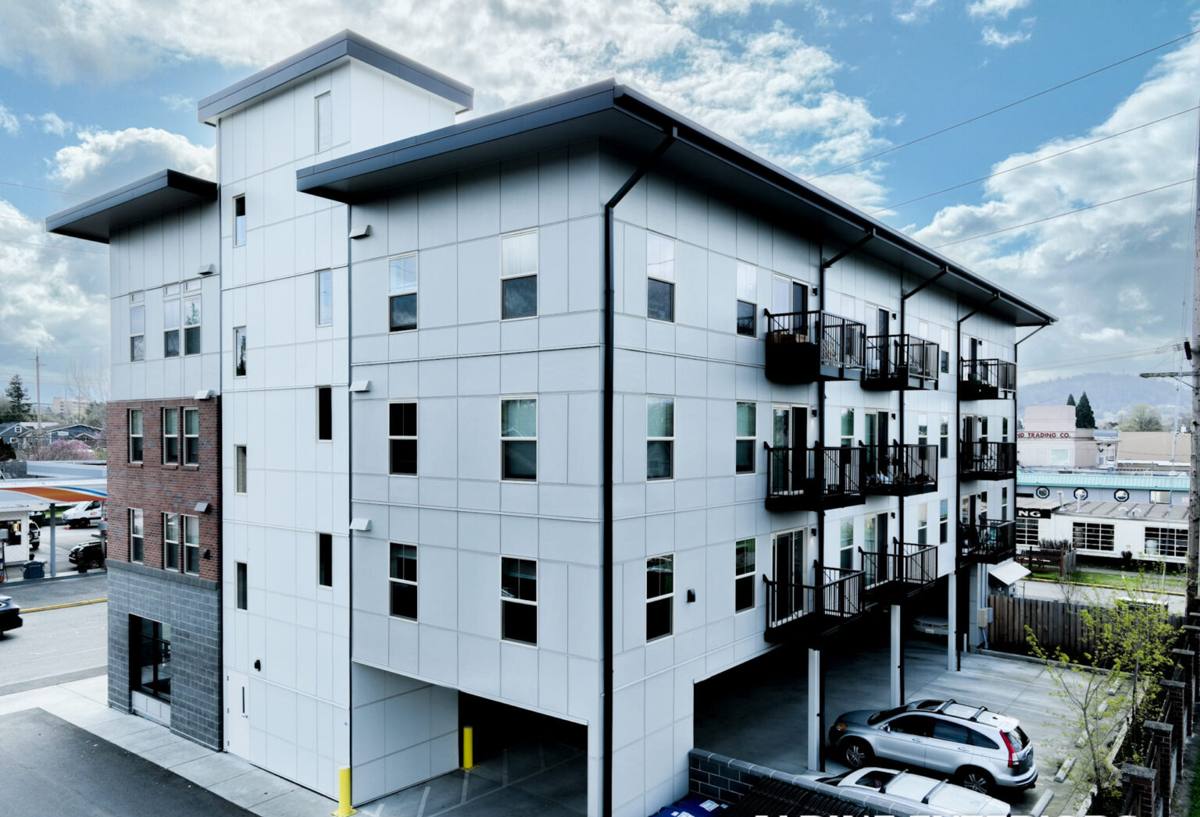
What Salt Air, Driving Rain, and Moss Season Actually Do to Siding
It helps to separate out the three stresses that hit a Ship Harbor home differently than a home a few miles inland:
Salt Air
Airborne salt is corrosive to metal fasteners, flashing, and trim accessories, and it accelerates the breakdown of some paint films and coatings over time. Siding itself needs to shed that salt-laden moisture rather than absorb it, and the fasteners and flashing behind it need to be rated for the exposure — not just whatever came with a standard siding package.
Driving Rain
Wind off the water doesn't just fall on a wall, it drives into it — under laps, into butt joints, and around penetrations like vents and light fixtures. A siding system near Ship Harbor needs correctly lapped and sealed joints, proper flashing at every horizontal transition, and a drainage plane behind the siding that can move incidental water back out rather than trap it against the sheathing.
Moss and Prolonged Dampness
Western Washington's long wet season means siding surfaces stay damp for extended stretches, especially on north-facing and shaded walls. That's an environment where moss, mildew, and algae take hold on porous or textured surfaces. Siding that absorbs moisture into the material itself — rather than just on the surface — is far more likely to swell, delaminate, or hold rot-friendly moisture against the framing over years of that cycle.
Why We Only Install James Hardie Siding
We get asked fairly often why we don't offer vinyl, LP SmartSide, or other fiber cement brands as options. The honest answer is that we made a standard for our own work, and it's built around what holds up in this specific climate over the long haul — not around offering every customer a low bid.
Vinyl siding is lightweight and inexpensive, but it's a petroleum-based product that expands and contracts significantly with temperature swings, can become brittle over time, and offers no real fire resistance. LP SmartSide and other wood-strand products perform reasonably well when maintained perfectly, but they're wood-based, meaning any breach in the factory coating exposes an engineered wood substrate to exactly the kind of prolonged dampness Ship Harbor sees every winter. Once moisture gets into a wood-strand panel through a nail hole, an unsealed cut edge, or a caulking failure, swelling and edge deterioration can follow.
James Hardie fiber cement is cement, sand, and cellulose fiber — it doesn't rot, it isn't attractive to pests, and it's non-combustible, which matters both for general durability and for insurance conversations in wildfire-adjacent parts of Washington. It handles moisture cycling differently than wood-based products because there's no wood substrate to swell or delaminate. That's the product we stand behind, and it's the only one we install.
The Right Hardie Product Line for a Ship Harbor Home
James Hardie makes climate-specific product lines, and for a home exposed to direct salt air and marine weather, the HZ5 formulation — engineered for wet, humid, freeze-prone climates — is the appropriate baseline rather than a lower-exposure formulation meant for drier regions. Beyond the climate engineering, homeowners generally choose between a few siding profiles:
| Product | Look | Best Fit For |
|---|---|---|
| HardiePlank lap siding | Traditional horizontal lap, smooth or woodgrain texture | Most single-family homes; the most common choice near Ship Harbor |
| HardiePanel vertical siding | Vertical board-and-batten look | Accent walls, gables, garages, modern or craftsman styling |
| HardieShingle siding | Staggered or straight-edge shingle profile | Cottage and Craftsman-style homes wanting shingle texture without cedar's maintenance |
| HardieTrim boards | Corner boards, fascia, window and door trim | Pairs with any of the above for a finished, factory-matched look |
We also spec ColorPlus factory-applied finish rather than field-painted siding wherever possible. The finish is baked on under controlled conditions and backed by its own finish warranty, and it holds up to UV and salt exposure noticeably better than a field-applied coat, which is more prone to early fading and touch-up needs in a marine environment.
What a Correct Installation Involves
Fiber cement siding is only as good as the wall assembly behind it. On a Ship Harbor home, the details behind the siding often matter more than the siding itself:
- A code-compliant weather-resistive barrier (house wrap or building paper) installed shingle-style so every layer drains outward, not inward
- Correct flashing at every horizontal joint, window head, door head, and roof-to-wall transition — the places driving rain actually finds its way in
- Rain screen or drainage gap furring where conditions call for it, so incidental moisture behind the siding has somewhere to go
- Stainless or hot-dip galvanized fasteners rated for corrosive coastal exposure, not standard-grade fasteners that will bleed rust through the finish over time
- Manufacturer-specified nailing pattern and clearances — over-driven or under-driven fasteners are one of the most common causes of early siding failure
- Proper clearance from grade, decks, and roof lines so siding isn't sitting in standing water or trapped moisture
- Caulked and sealed joints only where Hardie's specifications call for sealant — not as a substitute for correct flashing
None of this is visible once the job is finished, which is exactly why it's the part worth asking a contractor about before they touch your house.
How Our Process Works
1. On-Site Assessment
We walk the exterior, check the condition of the existing siding, sheathing, and trim, and look specifically for signs of past water intrusion around windows, decks, and roof lines — issues that are common on homes that have taken years of direct weather near the water.
2. Scope and Product Selection
We go over which Hardie profile and finish fit the home's style and exposure, and we're upfront about what needs to happen with the wall assembly underneath, not just the visible siding.
3. Tear-Off and Sheathing Repair
Old siding comes off, sheathing is inspected, and any water-damaged material gets replaced before anything new goes back on. Covering over a compromised wall doesn't buy a homeowner anything.
4. Weather Barrier and Flashing
This is the stage that determines whether the siding lasts the next 30 years or the next 10. We install the water-resistive barrier and flashing to manufacturer spec, with particular attention to penetrations and horizontal transitions.
5. Siding Installation
Panels, planks, or shingles go up per Hardie's fastening and clearance specifications, with corrosion-resistant fasteners throughout.
6. Final Walkthrough
We walk the finished job with the homeowner, point out anything worth knowing for ongoing care, and make sure trim, caulking, and touch-up work meet our own standard before we call it done.
Upkeep and Long-Term Cost Factors
One of the practical arguments for Hardie in a marine climate is how little ongoing maintenance it demands compared to wood-based or vinyl alternatives — but "low maintenance" isn't "no maintenance." Here's a realistic picture of what factors into long-term cost:
| Factor | James Hardie (ColorPlus) | Wood-Based Siding | Vinyl |
|---|---|---|---|
| Repainting interval | Rarely needed within warranty period | Every 5-8 years, sooner near salt air | Doesn't hold paint well; usually replaced, not repainted |
| Moss/mildew cleaning | Occasional gentle wash | More frequent; surface holds moisture | Occasional wash; can trap moisture behind panels |
| Fastener/trim corrosion risk | Low, with correct corrosion-resistant fasteners | Moderate | Low on the vinyl itself, but trim and J-channel can fail |
| Fire resistance | Non-combustible | Combustible | Melts/deforms under heat exposure |
| Typical warranty structure | Long-term, transferable | Varies by manufacturer | Varies, often prorated |
The numbers in that table aren't a promise of zero upkeep — they're a realistic comparison of what a homeowner near the water can expect to deal with over the life of the siding, based on how each material actually behaves in this climate.
Why It Matters That We Already Work in Ship Harbor
Building science on paper is one thing; knowing how it plays out on a specific street, facing a specific direction, a few hundred feet from salt water is another. A crew that regularly works the Ship Harbor area and greater Anacortes waterfront has already seen which walls take the worst of the weather, which flashing details matter most on homes this close to the Sound, and which corners get cut on siding jobs that don't hold up. That's not something a crew coming from outside the region, or one juggling siding as a side offering alongside five other trades, picks up quickly.
It also means we're not guessing at permitting or code requirements for Skagit County and the City of Anacortes — we're already familiar with them because we work here regularly, not occasionally.
Questions Worth Asking Before You Hire Anyone
- Is the installer a factory-certified James Hardie installer, and can they explain their fastening and flashing approach specifically?
- Will they inspect and repair sheathing before installing new siding, or just cover what's there?
- What weather-resistive barrier and flashing details do they use at windows, doors, and horizontal joints?
- Do they use corrosion-resistant fasteners appropriate for a marine environment?
- Is ColorPlus factory finish included, or will the siding need to be field-painted?
- What does the warranty actually cover, and is it transferable if you sell the home?
- Do they have experience with homes specifically in coastal or waterfront-adjacent conditions, not just siding in general?
A contractor who can answer these clearly, without hedging, is one who actually understands what this climate does to a wall system — not just how to hang a panel.
Ready to Talk About Your Home
If you're weighing a siding replacement on a home in the Ship Harbor area, we're glad to walk the exterior with you, take an honest look at what's going on behind the current siding, and talk through what a correctly built James Hardie system would look like on your specific house. There's no pressure and no obligation — just a straightforward estimate and an honest read on what your home actually needs. Fill out the form below to get started.