 Anacortes Siding
 Siding Replacement Built for La Conner's Waterfront Climate
La Conner sits right where the Swinomish Channel meets Skagit Bay, and that location shapes everything about how siding ages here. Homes get a steady dose of salt-laden air, wind-driven rain off the water, and long stretches of gray, damp weather that keep exterior walls wet for days at a time. Add the shade from mature trees and the fog that settles into low-lying yards near the channel, and you have a near-perfect recipe for moss, mildew, and slow moisture damage on the wrong siding material. Replacing siding here isn't just a cosmetic project — it's a chance to put a wall system on the house that's actually built for this environment.
We install James Hardie fiber cement exclusively, and nowhere in our service area does that choice matter more than it does in La Conner. This page walks through what local homes need, what a correct replacement job looks like, and how we run the project from estimate to final walkthrough.
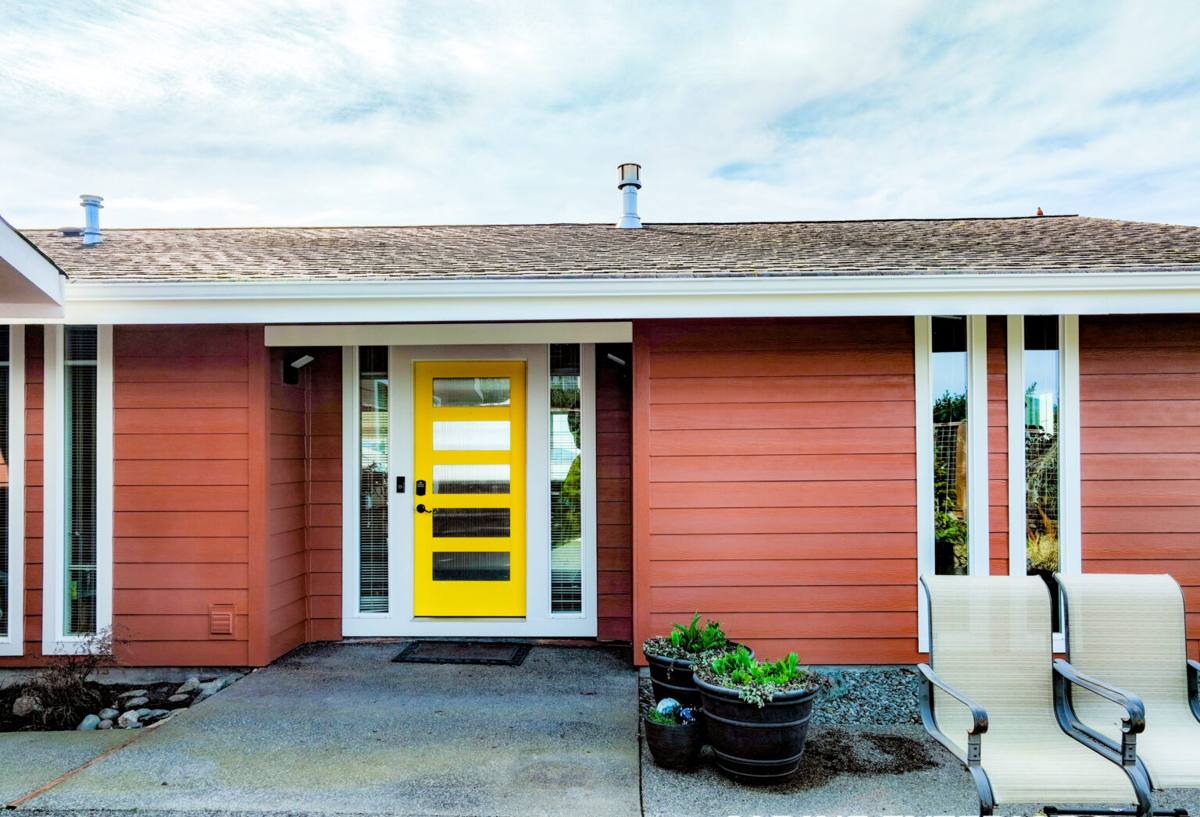
What La Conner's Climate Does to Siding
Salt Air and Corrosion
Homes within view of the channel or bay take on airborne salt that settles on siding, trim, and fasteners. Over years, that salt exposure accelerates corrosion on anything metal and speeds up the breakdown of coatings that aren't formulated to handle it. It also makes caulk joints and paint film work harder, since salt residue holds moisture against the surface longer than plain rainwater would.
Driving Rain
Storms coming off the water don't just fall straight down — wind pushes rain sideways into walls, especially on west- and south-facing elevations. That means lap joints, corners, and penetrations around windows and doors see more direct water contact than they would on a home set back from the water. Any weak point in the water-management details behind the siding gets tested far more often here than in a drier, more sheltered part of the county.
Moss Season
Skagit County's wet season stretches long, and La Conner's tree cover and channel-side humidity give moss and algae exactly what they need: shade, moisture, and time. Moss doesn't just look bad — it holds water against the siding surface and, on materials that swell or absorb moisture, that trapped dampness is what leads to rot, delamination, or paint failure over time.
Why James Hardie Fits This Environment
James Hardie fiber cement is made from cement, sand, and cellulose fibers, which means it doesn't absorb water the way wood-based products do and it won't corrode the way steel or aluminum siding can. It's also non-combustible, which is a genuine plus anywhere in Western Washington given wildfire smoke seasons, though the bigger day-to-day benefit for La Conner homeowners is moisture stability. Hardie's HZ5 product line in particular is engineered for climates with high moisture exposure — it's the version we spec for homes closest to the water.
The factory-applied ColorPlus finish matters here too. It's baked on under controlled conditions and backed by its own finish warranty, so it holds up against the fading and chalking that field-applied paint often shows first, especially on sun- and salt-exposed elevations. For homeowners tired of repainting every few years, that's a real difference in the total cost of ownership, not just a warranty line item.
| Climate Stressor | What It Does to Weak Siding | How Hardie Fiber Cement Handles It |
|---|---|---|
| Salt air | Corrodes metal fasteners and trim, degrades paint film faster | Cement-based material doesn't corrode; factory finish resists salt-driven fading |
| Wind-driven rain | Pushes moisture into joints, seams, and penetrations | Installed with correct flashing and gapping so water sheds instead of pooling |
| Shade and moss | Traps moisture against absorbent surfaces, feeding rot | Non-combustible, moisture-resistant substrate that doesn't swell or soften |
| Long wet season | Extends the time siding stays damp between dry spells | HZ5 formulation engineered specifically for high-moisture climates |
What a Correct Siding Replacement Involves
A siding replacement is only as good as what's underneath it. Swapping old siding for new without addressing the wall assembly behind it just repeats whatever problems caused the original failure. Our process on every La Conner project includes:
- Full removal of old siding and a walk of the sheathing to check for soft spots, rot, or existing moisture damage
- Repair or replacement of any compromised sheathing before anything new goes up
- Installation of a code-compliant weather-resistive barrier, lapped correctly to shed water downward
- Proper flashing at windows, doors, and any wall penetrations, since these are the spots wind-driven rain finds first
- Correct fastener placement and spacing per James Hardie's published installation specs
- Rigid furring or an approved rainscreen approach where the site conditions call for it, to keep the siding itself ventilated and drying properly
Skipping any one of these steps is how a siding job that looks fine on move-in day turns into a moisture problem five years later. It's also how a manufacturer's warranty gets voided — Hardie's warranty coverage assumes installation to spec, not just "siding on the wall."
Choosing the Right Hardie Product for a La Conner Home
Not every home on the water needs the same siding profile. We size up sun exposure, wind direction relative to the channel, tree cover, and how sheltered or exposed each elevation is before recommending a product line and plank style.
Common Configurations We Use Locally
- HardiePlank lap siding — the standard choice for most homes, available in several exposure widths and textures
- HardiePanel vertical siding — often used as an accent on gables or paired with lap siding for architectural contrast
- HardieTrim — for corners, window and door surrounds, and fascia, matched to resist the same moisture exposure as the field siding
- HZ5 formulation — our default recommendation for homes with direct channel or bay exposure
Color selection also gets a second look on waterfront homes. Darker ColorPlus finishes can show fading differences over time on the most sun- and salt-exposed elevations, so we walk homeowners through how each color has performed in similar coastal settings before they commit.
Our Process, Start to Finish
- On-site assessment — we look at the current siding, sheathing condition, exposure per elevation, and any existing moss or moisture issues
- Written estimate — a clear scope covering removal, sheathing repair allowances, water-resistive barrier, flashing details, and the specific Hardie products recommended
- Tear-off and inspection — old siding comes off and we document sheathing condition before anything new goes up
- Repair phase — any rot or soft sheathing gets addressed and photographed so homeowners see exactly what was found and fixed
- Weather barrier and flashing — installed per code and per Hardie's spec, with particular attention to window and door penetrations
- Siding installation — correct fastening, gapping, and joint treatment per manufacturer instructions
- Final walkthrough — we go over the finished work with the homeowner and confirm everything matches the scope
Maintenance After Installation
Even moisture-resistant siding benefits from basic upkeep in a climate like La Conner's. A yearly rinse to knock down early moss and algae growth, periodic checks of caulking around windows and trim, and keeping gutters clear so water isn't sheeting down the wall all help the siding perform the way it's designed to. Hardie's factory finish reduces how often repainting is needed, but it doesn't eliminate the value of a homeowner keeping an eye on things, especially on the elevations that face the water directly.
Simple Homeowner Checklist
- Rinse siding annually, especially shaded or channel-facing walls prone to moss
- Inspect caulk joints at windows, doors, and trim every year or two
- Keep gutters and downspouts clear so water doesn't run down the siding face
- Trim back vegetation that keeps walls shaded and damp longer than necessary
- Address any visible staining or moss buildup promptly rather than letting it sit through another wet season
Why Hire a Crew That Already Works in La Conner
Siding installation isn't identical from town to town. A crew that mainly works drier, inland sites may not automatically account for how much more aggressive wind-driven rain and salt exposure are on a channel-front home. We work across Skagit County and know which elevations in La Conner tend to take the worst weather, where moss shows up first, and which detailing decisions actually hold up here versus just on paper. That local pattern recognition is part of what keeps a siding job performing for decades instead of needing early rework.
If your current siding is showing moss buildup, soft spots, peeling paint, or you're just planning ahead for a home near the water, we're happy to take a look. Reach out for a free, no-pressure estimate — we'll walk the exterior with you, explain what we see, and lay out exactly what a correct James Hardie installation would involve for your home.