 Anacortes Siding
 Board & Batten Siding for Oak Harbor's Coastal Climate
Board and batten has a strong following in Oak Harbor and the surrounding Anacortes area, and it's not just about looks. The style — wide vertical boards with narrower battens covering the seams — reads clean on farmhouse-style homes, modern builds, and older properties getting a facelift, and it holds up visually at a distance in a way that busier siding profiles don't. But this is Skagit and Island County coastline territory: homes here deal with salt-laden air off the water, long stretches of driving rain, and a moss season that can run most of the year in shaded, north-facing areas. Board and batten siding done with the wrong materials or the wrong install details doesn't just look tired here in a few years — it fails at the seams, the fastener points, and the field of the panel itself.
This page is specifically about board and batten siding for Oak Harbor homes: what the climate demands from the system, what a correct installation actually involves, and why we only install one product for this application.
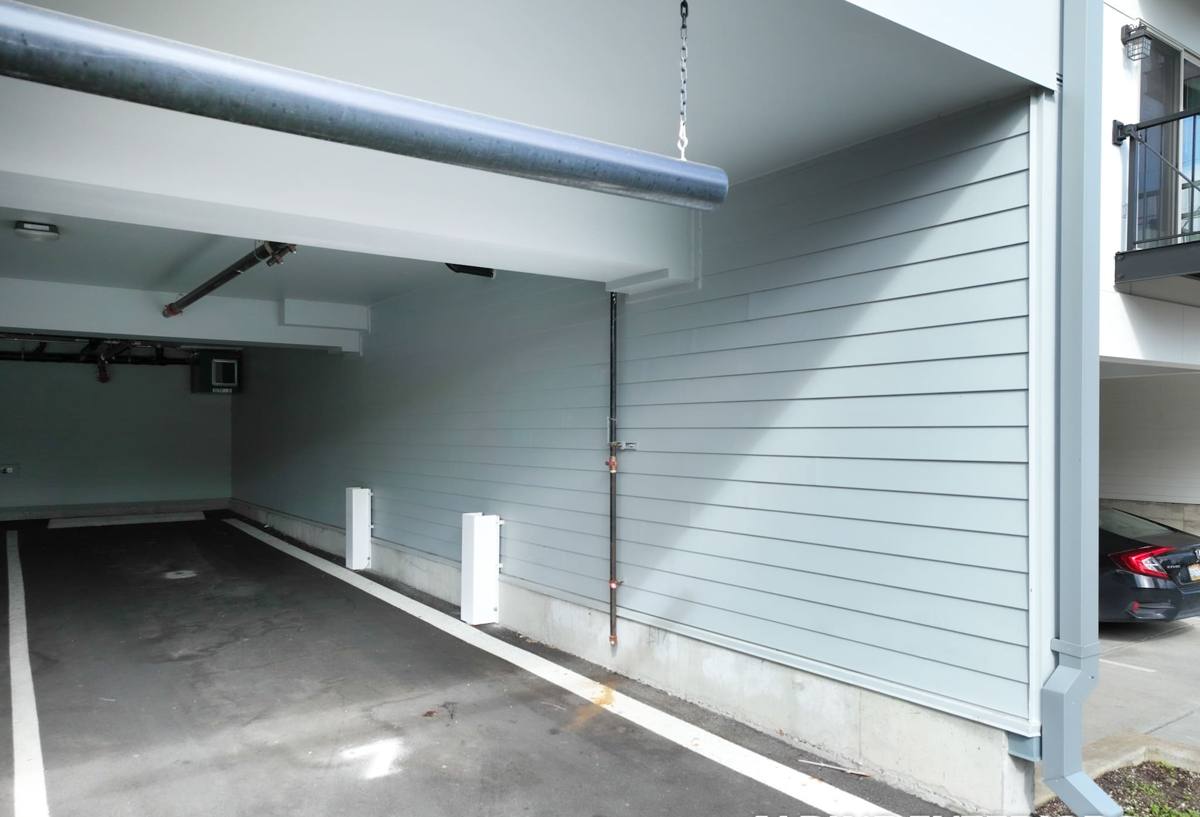
What Salt Air, Driving Rain, and Moss Season Do to Board & Batten Siding
Salt Air
Proximity to Puget Sound and the Strait of Juan de Fuca means airborne salt is a constant, low-grade stressor on exterior materials. Salt accelerates corrosion on exposed fasteners and metal flashing, and it can degrade some coatings and adhesives faster than manufacturers' standard testing accounts for. Any board and batten system installed here needs corrosion-resistant fasteners and flashing details that don't rely on caulk alone to keep moisture and salt spray out of the wall assembly.
Driving Rain
Rain in this part of Washington rarely falls straight down — wind off the water pushes it sideways into wall faces, and board and batten's vertical seams are a direct path for wind-driven water if they're not detailed correctly. The battens are decorative and functional at the same time: they cover the joint between boards, but they are not a waterproofing layer on their own. The drainage plane behind the siding is what actually protects the wall, and it has to be continuous and correctly lapped for the style to perform in this climate.
Moss and Sustained Moisture
Shaded, north- and west-facing walls in Oak Harbor hold moisture longer through the fall, winter, and spring than sites get credit for. Moss and algae need sustained dampness to establish, and board and batten's horizontal battens create small ledges and shadow lines where organic growth gets a foothold if the material itself can absorb moisture. A siding material that swells, delaminates, or wicks water at cut edges will feed that cycle. A material that stays dimensionally stable and sheds water cleanly won't.
Local Note
None of this is unique to one lot or one property type — it's the baseline condition for exterior work anywhere in the Anacortes and Oak Harbor area, whether the home sits close to the water or a few miles inland. The details below apply across the neighborhood, not just to waterfront homes.
What a Correct Board & Batten Installation Actually Involves
Board and batten looks simple from the street, which is part of why it's easy to install poorly. A correct job involves several layers most homeowners never see once the siding is up:
- Continuous weather-resistive barrier — a properly lapped drainage plane behind the siding, not just a barrier stapled up quickly to move to the next step.
- Rainscreen or furring strategy — a gap between the back of the siding and the wall sheathing so any water that gets past the face can drain and dry instead of sitting against the wall.
- Correct fastener placement and type — fasteners rated for the material and driven at the manufacturer's specified location and depth; over-driven or under-driven fasteners are one of the most common causes of early siding failure.
- Flashing at every penetration — windows, doors, hose bibs, light fixtures, and any other wall penetration need flashing integrated with the drainage plane, not sealed over with caulk after the fact.
- Batten spacing and fastening pattern — consistent spacing that matches the panel width and allows for the material's expansion and contraction without cracking the caulk joint or splitting the batten.
- Bottom and top terminations — starter strips, kick-out flashing at roof-wall intersections, and proper clearance from grade and hard surfaces so the siding isn't sitting in standing water or splash-back.
Skip any one of these and the siding may look fine for a season or two before problems show up — usually at the seams first, which is exactly where board and batten is hardest to inspect from the ground.
Why We Only Install James Hardie for Board & Batten Work
Board and batten is available in several materials — vinyl, engineered wood, primed wood, and fiber cement among them. We install James Hardie fiber cement exclusively, and for board and batten applications in a climate like Oak Harbor's, that choice matters more than it does for some other siding styles.
Fiber cement doesn't absorb water the way wood-based products can, which matters directly for the moss and sustained-moisture issue described above — a board that doesn't swell or soften at the edges doesn't create the soft, damp surface organic growth needs to take hold. It's also non-combustible, holds paint and factory finish far longer than primed wood products typically do in a marine climate, and doesn't have the long-term expansion and contraction behavior that causes vinyl board and batten to warp or pull away from fastener points as temperatures swing.
For board and batten specifically, we use Hardie's panel and trim board system — engineered as a matched system rather than mixed components, so the panel, the batten, and the factory finish are designed to move and weather together. Hardie's ColorPlus finish is baked on at the factory under controlled conditions, which gives it better fade and moisture resistance than field-applied paint, and it comes backed by a substantial finish warranty in addition to the product warranty on the fiber cement itself.
Comparing Board & Batten Material Options
| Material | Moisture Behavior | Maintenance in This Climate | Typical Longevity |
|---|---|---|---|
| Vinyl | Doesn't absorb water, but panels expand/contract significantly with temperature | Low, but prone to warping and fading over time; seams can loosen | 15–25 years, shorter with UV and coastal exposure |
| Primed wood / spruce | Absorbs moisture readily at cuts and joints; needs an intact paint film to perform | High — repainting cycle needed, especially on shaded, damp walls | 10–20 years depending on maintenance |
| Engineered wood (e.g. LP-style products) | Resin-treated to resist moisture, but edge and cut protection is critical | Moderate — manufacturer maintenance requirements must be followed closely | 20–30 years with proper care |
| James Hardie fiber cement | Dimensionally stable, doesn't swell or rot from moisture exposure | Low — occasional wash-down, no repainting cycle with ColorPlus finish | 30+ years with correct installation |
Our Process for Oak Harbor Board & Batten Projects
- On-site assessment — we look at wall orientation, existing moisture damage, roof-wall intersections, and shading patterns specific to the property before recommending a scope of work.
- Tear-off and sheathing check — old siding comes off and the sheathing underneath gets inspected for rot or damage before anything new goes up; this step catches problems that board and batten would otherwise hide again for years.
- Drainage plane and flashing installation — the weather-resistive barrier and all flashing details go in first and get inspected before siding starts.
- Hardie panel and batten installation — installed to James Hardie's published fastening and spacing specifications, not shortcuts learned from other siding types.
- Final detail and walkthrough — terminations, caulking at approved joints only, and a walkthrough so the homeowner understands what maintenance (if any) is actually needed going forward.
Why Hiring a Crew That Already Works Oak Harbor Matters
Board and batten failures in this region tend to follow a pattern: crews that mostly work drier inland climates or install a mix of siding materials without a consistent system often underestimate how much the drainage plane and flashing details matter here. A crew that regularly works Oak Harbor and the wider Anacortes area has already seen how wind-driven rain behaves against specific wall orientations, how fast moss establishes on shaded elevations, and where salt exposure causes problems other regions don't deal with. That's not a marketing point — it changes real decisions on the job, like where extra flashing goes, how tight the rainscreen gap needs to be, and which elevations need the most attention during installation.
It also matters for warranty support. A contractor familiar with the local building department, local wind and moisture conditions, and Hardie's installation requirements is better positioned to install the system in a way that keeps both the manufacturer's product warranty and workmanship warranty intact.
Maintenance Checklist for Board & Batten Homes in This Climate
- Rinse siding annually, focusing on shaded north- and west-facing walls where moss and algae establish first.
- Inspect caulk joints at trim, windows, and doors each year — replace any that have cracked or pulled away, since this is where wind-driven rain finds entry points.
- Check for standing water or vegetation touching the bottom edge of the siding, especially after winter storms.
- Look at fastener heads periodically for signs of corrosion or staining, particularly on walls facing prevailing weather off the water.
- Confirm gutters and downspouts are directing water away from the wall, not overflowing onto board and batten seams below rooflines.
Get a Straight Answer on Your Home
Every Oak Harbor property faces this climate a little differently depending on orientation, shade, and exposure to wind off the water. If you're considering board and batten siding, or your current siding is showing signs of moisture, moss, or seam failure, we're happy to come take a look and give you a straightforward assessment — no pressure, no upsell. Fill out the form below for a free estimate.