 Anacortes Siding
 Old Town Anacortes: A Roof That Has to Work Harder Than Most
Old Town Anacortes sits close to the water on Fidalgo Island, which means the homes here deal with a roofing environment that's noticeably tougher than a typical inland neighborhood. Salt-laden air off the Guemes Channel and Rosario Strait, wind-driven rain that comes in sideways during winter storms, and a long, shaded moss season that can run eight or nine months out of the year all add up. A roof that's built and installed with those three factors in mind will last; one that isn't will show problems early, usually starting with the flashing and fasteners.
This page is about roof replacement specifically for this neighborhood, not a generic overview of roofing. If you own a home in Old Town Anacortes, here's what actually matters for your roof, what a correct replacement involves, and how we approach the job.
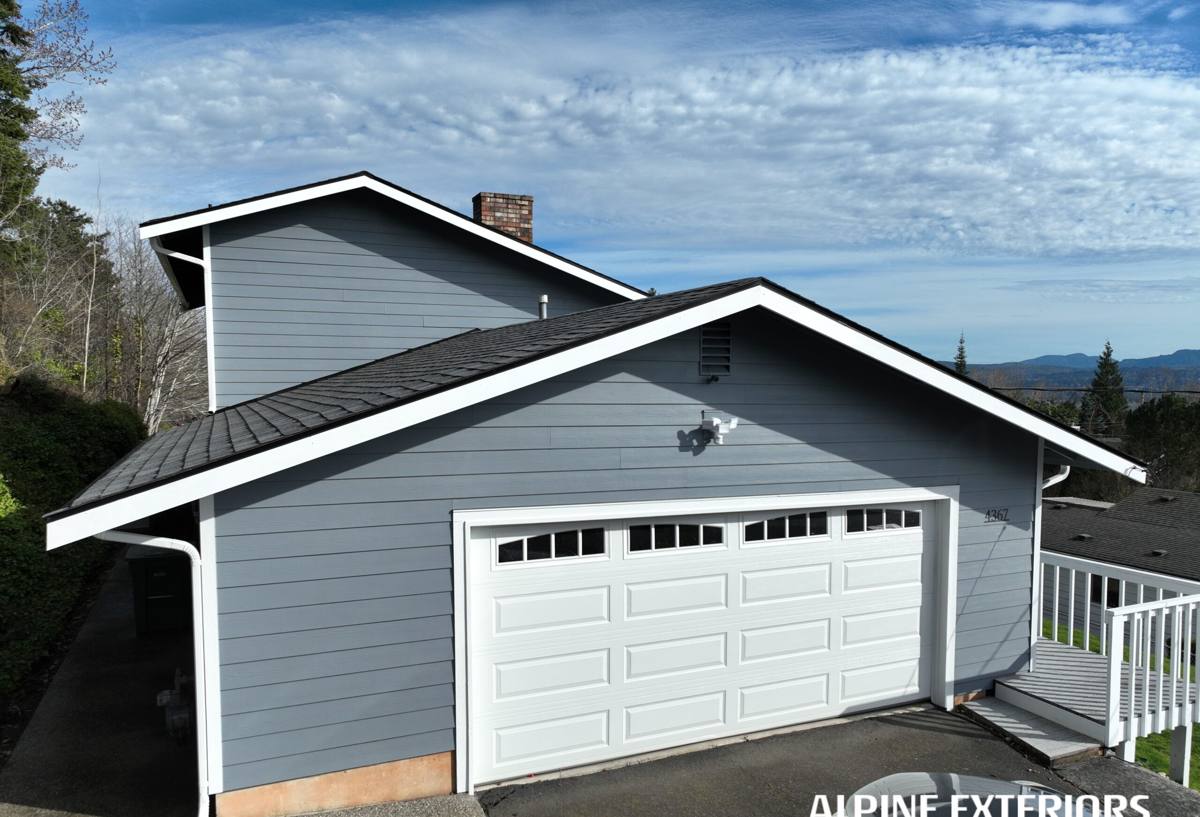
What the Marine Climate Does to a Roof
Salt Air and Fastener Corrosion
Homes within a mile or two of saltwater see accelerated corrosion on exposed metal — nails, screws, flashing, and vent stacks all take a hit faster than they would further inland. On an older roof, this often shows up first as rust streaking below flashing points or around pipe boots, and it's one of the more common reasons a roof that "looks fine" from the ground is actually failing underneath. When we replace a roof in this area, fastener and flashing material selection isn't optional — it's the difference between a roof that holds up for its full service life and one that starts leaking at the metal points years early.
Driving Rain and Wind-Driven Water
Skagit County gets plenty of straight-down rain, but the storms that roll off the Strait tend to push water sideways and up under shingle edges, especially at eaves, valleys, and low-slope transitions. Standard underlayment and minimal flashing can handle vertical rain fine and still let water in during a real wind event. Roofs here need underlayment coverage and flashing details sized for wind-driven water, not just average rainfall.
The Long Moss Season
Old Town Anacortes has a lot of mature tree cover and older lots with shade patterns that never fully dry out between fall and late spring. That's a perfect environment for moss and algae growth on north-facing slopes and anywhere debris collects. Moss isn't just cosmetic — it holds moisture against the roofing material, lifts shingle edges over time, and works its way under flashing. A roof plan for this neighborhood has to account for moss from day one, not treat it as a maintenance afterthought.
What Older Old Town Homes Need From a New Roof
Deck Condition Under the Old Roofing
Many homes in this part of Anacortes were built decades ago, and it's common to find roof decking that's seen multiple roofing layers, past leaks, or ventilation that was never quite right for the attic space. A proper tear-off gives us a direct look at the deck, so soft spots, old water staining, or under-ventilated framing get caught and fixed before new roofing goes down — not discovered as a leak two winters later.
Flashing Details That Get Overlooked
Older homes tend to have more roof complexity: dormers, chimneys, additions with different rooflines, and valleys where two roof planes meet. Every one of those transitions is a place water can get in if the flashing isn't cut and layered correctly. This is where a lot of roof replacements fail — not on the open field of shingles, but at the details around penetrations and transitions.
Ventilation That Matches the Attic
Moisture that can't escape an attic condensates on the underside of the deck and shortens the life of a new roof from the inside. On older homes especially, existing ventilation was often built to a different code era. Part of doing this correctly is checking intake and exhaust balance, not just replacing what was there.
Choosing a Roofing Material for This Neighborhood
There's no single "best" material for every home — it depends on your roofline, budget, and how much maintenance you want to take on. Here's how the common options stack up specifically against Anacortes's salt air, rain, and moss conditions:
| Material | Moss/Algae Resistance | Marine Air Durability | Typical Lifespan | Relative Cost |
|---|---|---|---|---|
| Standard 3-tab asphalt shingle | Low — needs treatment or cleaning | Fair; fasteners need corrosion-resistant coating | 15-20 years | Lowest |
| Architectural (dimensional) asphalt shingle | Moderate; better with algae-resistant granules | Good with proper flashing/fasteners | 25-30 years | Moderate |
| Standing seam metal | High — sheds moss and debris well | Very good with marine-grade coatings and fasteners | 40-50+ years | Highest |
| Synthetic composite (shake/slate look) | Moderate to high | Good; check manufacturer's coastal warranty terms | 30-50 years | Moderate-High |
For a lot of Old Town Anacortes homes, an architectural shingle with algae-resistant granules is a solid middle ground — it holds up well to the moss cycle and costs less than metal. Where a roof has heavy shade or a lower slope that stays wet longer, metal earns its higher upfront cost through lower long-term maintenance. We'll walk through the trade-offs for your specific roof rather than push one product across the board.
What a Correct Roof Replacement Actually Involves
- Full tear-off to bare deck — no roofing over existing layers
- Deck inspection and repair of any soft, rotted, or water-damaged sheathing
- Ice and water shield at eaves, valleys, and around all penetrations
- Synthetic underlayment rated for wind-driven rain across the full field
- Corrosion-resistant flashing and fasteners suited for marine air exposure
- Balanced intake and exhaust ventilation matched to the attic
- Moss-resistant shingle selection or zinc/copper strip application where appropriate
- Clean, sealed penetrations at every pipe boot, vent, and chimney
- Full site cleanup, including magnetic sweep for nails and debris removal
Skipping any one of these doesn't necessarily cause an immediate failure — but on a roof exposed to this climate, it shortens the timeline before you're dealing with a leak, and it's almost always cheaper to do it right the first time than to chase a leak later.
Our Process, Start to Finish
- On-site inspection and estimate. We look at the whole roof system — deck, flashing, ventilation, current material condition — not just count squares.
- Material selection. We go over the options that make sense for your roofline, budget, and how much upkeep you want, including the trade-offs in the table above.
- Permitting. Roof replacement in the City of Anacortes requires a building permit; we handle that paperwork as part of the job.
- Tear-off and deck inspection. Old roofing comes off completely, and any deck repairs are flagged and priced before new material goes down — no surprises mid-install.
- Installation. Underlayment, flashing, ventilation, and roofing material go in following manufacturer specs and the details this climate requires.
- Cleanup and walkthrough. Full debris removal, a nail sweep of the yard and driveway, and a walkthrough so you know what was done and what your warranty covers.
Signs an Old Town Anacortes Roof Needs Replacement, Not Just Repair
- Shingles that are cupping, curling, or losing granules across large sections
- Moss buildup that comes back within a season or two of cleaning
- Rust staining or visible corrosion at flashing, vents, or fasteners
- Daylight visible through the roof deck from inside the attic
- Multiple past patch repairs in different areas of the roof
- The roof is past 20-25 years old (asphalt) with no major upgrades since install
- Interior ceiling stains that reappear after heavy wind-driven rain
If you're only seeing one or two of these, a repair may still make sense. If several apply at once, patching usually ends up costing more over a few years than a properly planned replacement.
Why a Crew That Already Works Old Town Anacortes Matters
Roofing crews that work outside this immediate area sometimes underestimate how much the salt air and moss cycle change the job — they'll spec materials and fasteners the same way they would for a dry inland roof, and the homeowner pays for that gap in a few years. A crew that works this neighborhood regularly already knows which flashing details tend to fail on these older homes, how the City of Anacortes permitting process runs, and how to sequence a tear-off around the area's rain patterns so your home isn't left exposed longer than it has to be. That local knowledge shows up in fewer callbacks and a roof that actually performs the way it's supposed to for the climate it's in.
Timing the Job Around Anacortes Weather
There's no single "roofing season" here, but drier stretches in late spring through early fall make for more predictable installs and less risk of exposed decking getting rained on mid-project. That said, a legitimate leak or storm-damaged roof shouldn't wait for ideal weather — we can tarp and stabilize a damaged roof and schedule the full replacement as soon as conditions allow. If you're planning ahead rather than reacting to damage, we'll help you pick a window that keeps the job clean and efficient.
If your roof is showing its age or you just want an honest read on where it stands, we're happy to take a look. The estimate is free, there's no pressure, and you'll get a straight answer about whether you need a repair or a full replacement — use the form below to get started.