 Anacortes Siding
 Windows in Old Town Anacortes Face a Different Set of Problems
Old Town Anacortes is one of the older residential pockets of the city, sitting close enough to the water that homes here take a steady beating from marine weather most inland Skagit County neighborhoods never see. The housing stock tends to be older too, which means original wood-frame windows, decades of paint layers, settled openings, and repairs made by whoever was available at the time rather than by someone who understood how the assembly needed to work as a system. When we get called out to this part of Anacortes, we're rarely just swapping glass. We're usually correcting years of small compromises that added up to drafts, fogging, rot, or a window that simply won't stay shut anymore.
Window installation done right here has to account for the neighborhood's age and its exposure at the same time. Get either one wrong and the new window fails faster than it should, no matter how good the unit itself is.
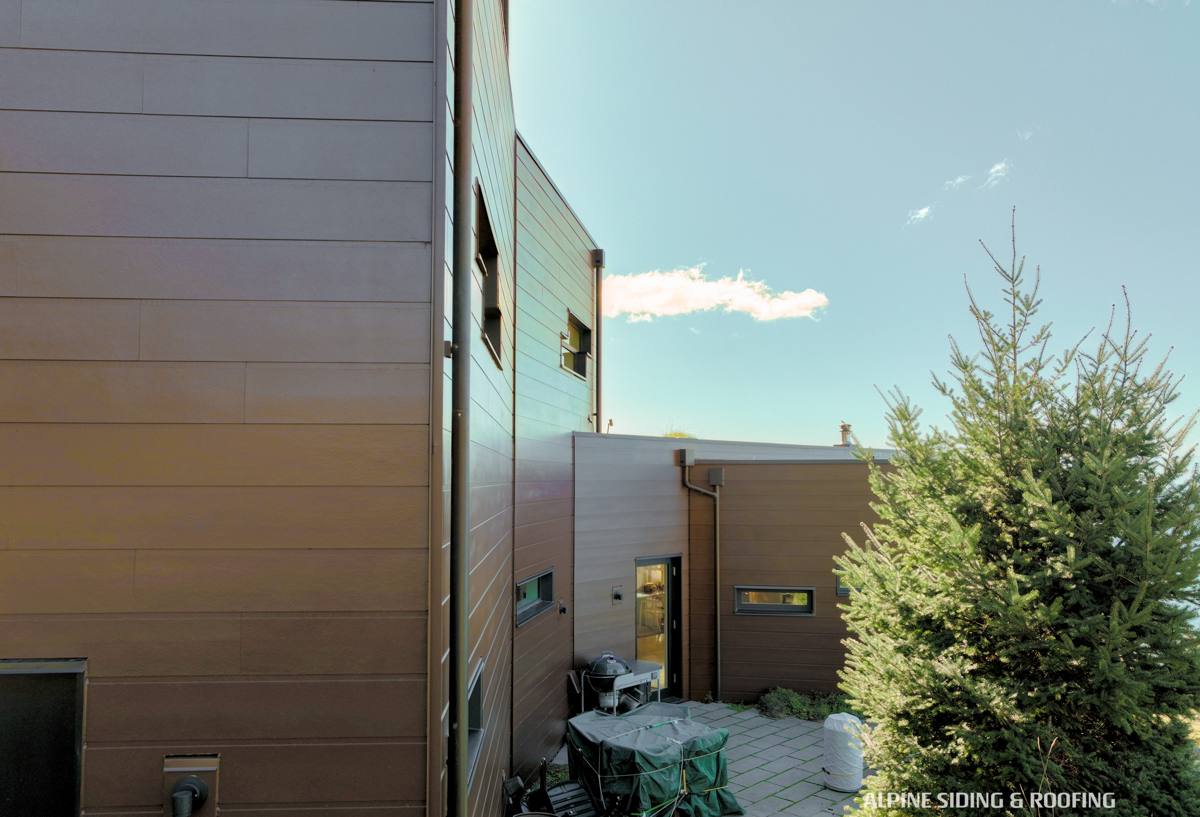
What Salt Air, Driving Rain, and Moss Season Actually Do
Anacortes sits on Fidalgo Island, close to Rosario Strait and the Salish Sea, and that proximity matters more than most homeowners realize until they've lived with it a while.
- Salt-laden air accelerates corrosion on aluminum hardware, screws, and cheaper window fasteners, and it breaks down exterior paint and caulk faster than a drier inland climate would.
- Driving, wind-driven rain off the water doesn't just fall straight down — it gets pushed sideways into wall assemblies and window openings, which is exactly the condition that exposes a poorly flashed installation. A window that would hold up fine in a calmer microclimate can leak here within a season or two if the flashing and sill pan weren't done correctly.
- A long, wet moss season means anything with a horizontal surface — a sill, a trim board, a poorly sloped drip cap — stays damp longer and grows moss, algae, and mildew instead of drying out between storms. That sustained moisture is what eventually rots wood trim and frames from the outside in.
None of this is unique to Old Town specifically, but the age of the homes here means the original construction wasn't built with today's window and moisture-barrier standards in mind, so the climate has more opportunities to find a way in.
Signs Your Windows Are Due for Replacement
Not every drafty window needs full replacement, but in this climate, waiting too long usually turns a window problem into a wall and framing problem. Look for:
- Wood trim or sills that feel soft, spongy, or show dark staining
- Visible fog or moisture trapped between panes of double-glazed units
- Paint that keeps failing on the window trim faster than on the rest of the siding
- Persistent moss or dark streaking on the sill or below the window, even after cleaning
- Drafts you can feel with a hand near the frame on a windy day
- Windows that are hard to open, close, or lock — often a sign the frame has racked out of square
- Noticeable outside noise from wind and traffic that seems louder than it should be
Full-Frame Replacement vs. Insert Replacement
This is the first real decision on most Old Town projects, and it depends heavily on the condition of what's already there — not on which option costs less.
| Factor | Insert (Pocket) Replacement | Full-Frame Replacement |
|---|---|---|
| When it's appropriate | Existing frame and sill are solid, square, and dry | Frame is rotted, out of square, or water has gotten behind it |
| What's removed | Old sash only; original frame stays | Entire window unit down to the rough opening |
| Access to hidden damage | Limited — you can't see what's inside the wall | Full — flashing, sheathing, and framing are exposed and can be corrected |
| Best fit for this climate | Only on openings with no history of leaking | Preferred whenever there's any doubt, given the driving rain exposure |
| Relative cost | Lower material and labor cost | Higher upfront cost, but addresses root causes |
Given how many older homes in this neighborhood have had at least some undetected moisture intrusion over the decades, we lean toward opening things up and doing a full-frame replacement whenever there's any sign of past water damage. An insert job over a hidden problem just seals that problem behind a nicer-looking window.
What a Correct Installation Actually Involves
Assessment Before Anything Is Removed
We check the condition of the existing frame, sill, and surrounding wall before quoting the job. This is where we catch soft wood, missing or failed flashing, and openings that have shifted out of square — all common in older Anacortes housing stock.
Removal Without Collateral Damage
Old trim, siding, and sash are removed carefully enough to preserve what's salvageable and expose what isn't. On older wood-frame homes, this step often reveals the actual source of a draft or leak that the homeowner never connected to the window itself.
Flashing and Water Management
This is the step that matters most for this climate and the one most often shortcut by rushed work. A proper sill pan, correctly lapped flashing tape, and a drainage path that gets any water that does get past the window back out — not into the wall cavity — is non-negotiable here given how much wind-driven rain this area sees.
Setting and Sealing the Window
The unit is shimmed level, plumb, and square, fastened per the manufacturer's specifications, and insulated around the frame without overpacking, which can bow the frame and cause operational issues. Exterior sealant is applied at the right joints only — sealing everything solid can trap moisture instead of letting it drain.
Trim and Finish Work
Interior and exterior trim is reinstalled or replaced, primed, and painted or capped to shed water rather than collect it — an important detail given how quickly moss and mildew establish themselves on flat or poorly sloped surfaces here.
Material and Glass Choices That Make Sense Here
Fiberglass and vinyl frames generally hold up better against salt air and moisture cycling than bare aluminum, which is prone to pitting and corrosion near the water over time. Wood-clad options can look right on an older home but need a maintenance commitment to keep exposed wood sealed against the wet season. For glass, dual-pane units with a low-E coating and a durable spacer system perform well against both our winter heat loss and the condensation that shows up when warm indoor air meets cold glass during a cold snap.
None of this needs to be complicated — it just needs to match the exposure of the specific wall the window sits in. A window on the water-facing side of a home carries a different risk profile than one tucked into a sheltered side yard, and we spec accordingly rather than using one standard answer for every opening.
Older Homes, Permits, and Keeping the Right Character
Many homes in Old Town Anacortes have an established look — proportions, trim profiles, and window patterns that were part of the original build. When we replace windows here, we try to match sightlines and trim details so the house doesn't end up looking patched together. Depending on the scope of the work and whether structural framing is being altered, a City of Anacortes building permit may apply; we handle that conversation as part of the estimate rather than leaving it for the homeowner to sort out after the fact.
Why a Crew That Already Works This Neighborhood Matters
Window installation is one of those jobs where the manufacturer's instructions only get you most of the way there. The rest comes from having actually worked on homes with this specific combination of age, exposure, and construction methods. A crew that's done this in Old Town Anacortes already knows:
- Which sides of a home take the worst of the wind-driven rain and need extra attention to flashing detail
- What original framing and siding conditions to expect when opening up an older wall
- How salt air affects fastener and hardware choices over the long run
- Which local permit steps apply and how to handle them without delaying the project
- How to match trim and proportions so a replacement doesn't look out of place next to the rest of the house
That local familiarity is the difference between a window that looks fine on installation day and one that's still performing well after five wet winters.
Our Process, Start to Finish
- Free on-site assessment of your current windows, frames, and any signs of water or air infiltration
- Honest recommendation on insert versus full-frame replacement based on what we actually find
- Written estimate covering materials, labor, and any permit needs
- Careful removal, proper flashing and sealing, and correct installation per manufacturer specs
- Trim, paint, or capping finished to shed water rather than trap it
- Final walkthrough so you know exactly what was done and why
If your windows in Old Town Anacortes are drafty, fogging, hard to operate, or just showing their age, we're happy to take a look and give you a straight answer about what's actually needed. Reach out for a free, no-pressure estimate using the form below.