 Anacortes Siding
 Deck Building in Sedro-Woolley Isn't a Catalog Project
A deck in Sedro-Woolley has to do more work than a deck in a dry climate. It sits under a Skagit County sky that delivers months of steady rain, humid marine air moving in off the Salish Sea, and long stretches of low winter sun that never quite dries out a north-facing structure. Wood and fasteners that would last decades in Eastern Washington can start failing here in a fraction of the time if the build didn't account for the local weather from the first stringer to the last board.
That's the difference between a deck that looks fine for a season or two and one that's still solid, safe, and level in fifteen years. It isn't about using fancier materials — it's about getting the details right that this climate specifically punishes: flashing, fastener choice, drainage, and airflow underneath the structure.
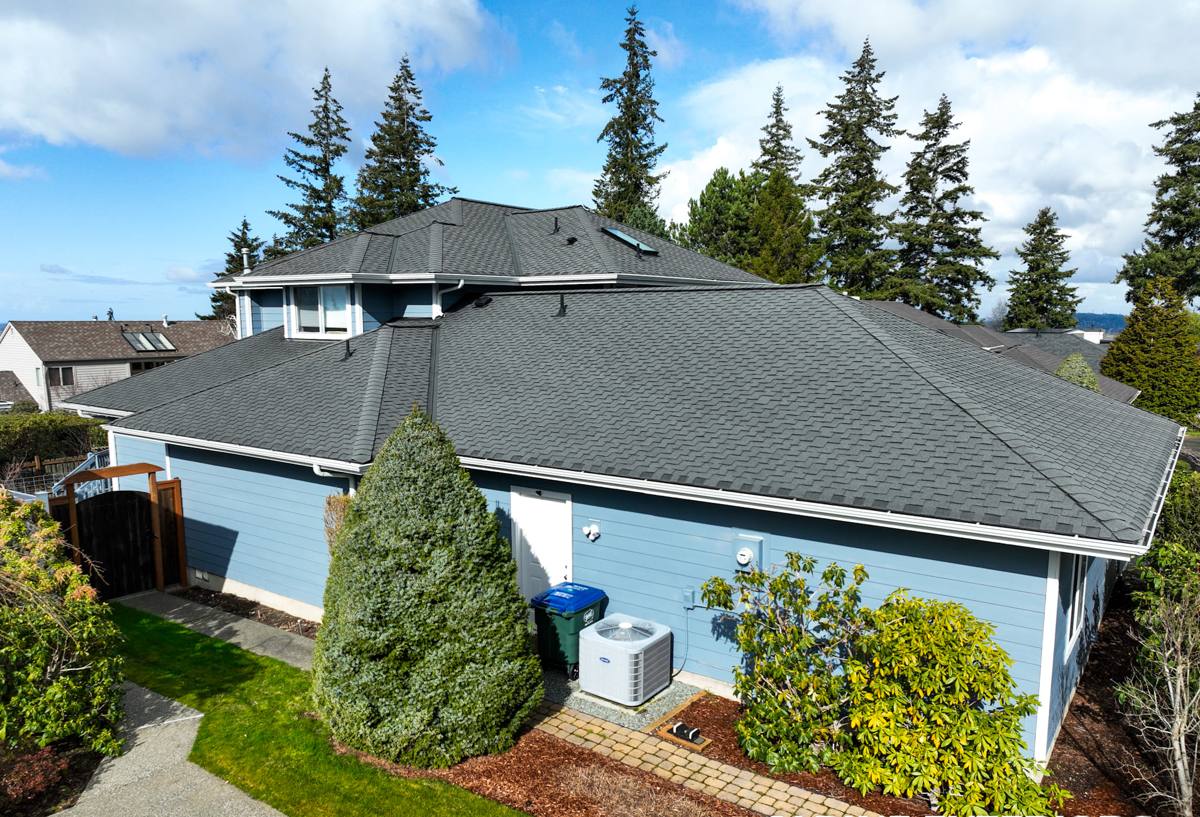
The Skagit County Climate Challenge
Sedro-Woolley sits inland from the water but still gets the benefit — and the burden — of a marine-influenced climate. Moist air moves up the valley, rainfall is frequent and prolonged rather than heavy and brief, and shaded or north-facing areas of a property can stay damp for days after a storm passes. That combination creates three specific problems for decks:
- Driving rain finds any gap in flashing or siding-to-ledger connections and drives water behind the structure instead of off it.
- Moss and algae take hold on decking surfaces that don't get enough sun or airflow, especially under trees or on the shaded side of a house — this is a year-round maintenance issue here, not an occasional one.
- Sustained moisture around fasteners and framing connections accelerates corrosion and wood decay far faster than an occasional rainstorm would.
None of this means a deck can't hold up well in Sedro-Woolley. It means the build has to be designed around these conditions rather than around a generic set of blueprints.
Where Decks in This Climate Actually Fail First
Ledger Board Flashing
The ledger board — the piece that attaches the deck to the house — is the single most common point of structural failure on residential decks nationally, and wet climates like ours make the risk worse. If the flashing isn't installed correctly, water gets behind the ledger, soaks into the house's rim joist, and rots both the deck attachment and the framing behind it, often without any visible sign until the damage is advanced. Correct ledger flashing means proper step flashing integrated with the siding or house wrap, a code-compliant gap or waterproof membrane between the ledger and the house, and lag bolts or through-bolts rated for the load — not just nails.
Fasteners and Hardware
Standard galvanized fasteners can corrode faster than expected in a persistently damp climate, especially where they contact treated lumber, which is chemically more corrosive to metal than untreated wood. We use stainless steel or heavy hot-dip galvanized hardware rated for ground contact and treated-lumber compatibility, along with joist hangers, post bases, and structural connectors sized correctly for the span and load — not just whatever fits.
Footings and Frost Depth
Skagit County's frost depth and soil drainage vary by lot, and footings that are too shallow or poured without proper drainage can heave or settle over time, throwing the whole structure out of level. Footings need to be sized and set to local code depth, with concrete that's properly cured and posts that are isolated from standing moisture at the base.
Choosing a Decking Material for This Climate
There's no single "best" decking material — there's a best material for your budget, your maintenance appetite, and how much sun or shade the deck actually gets. Here's how the common options actually perform in Skagit County conditions:
| Material | Moisture Behavior Here | Maintenance | Typical Lifespan |
|---|---|---|---|
| Western Red Cedar | Naturally rot- and insect-resistant, but still needs sealing to resist moss and graying | Annual cleaning, re-staining or sealing every 2-3 years | 15-25 years with upkeep |
| Pressure-Treated Fir/Pine | Chemically treated for ground contact and moisture, but cut ends and fasteners are vulnerable points | Regular cleaning, sealing every 1-2 years | 15-20 years with upkeep |
| Composite Decking | Doesn't rot or absorb water like wood, but can still grow surface algae/moss in shaded, damp areas | Periodic washing, no staining or sealing required | 25-30+ years, manufacturer-warrantied |
Composite costs more up front but eliminates the recurring sealing and staining cycle that wood requires in this climate. Cedar and treated lumber cost less initially and can look excellent, but only if the maintenance schedule actually gets kept up — something worth being honest with yourself about before you commit to real wood in a rainy climate.
Drainage, Slope, and Moss Control Built Into the Design
Moss and slip hazards on a deck surface aren't just a cosmetic problem — a mossy deck board is genuinely slick, especially on stairs. Good design fights this before it starts:
- Decking boards spaced correctly for drainage and airflow between boards, not tight-butted.
- A slight slope away from the house so water sheds instead of pooling near the ledger.
- Open or vented skirting where possible, so air moves underneath the deck instead of trapping moisture against the framing.
- Trimming back overhanging branches where feasible, since shaded, leaf-littered decking holds moisture and grows moss fastest.
- Choosing a board profile (grooved vs. smooth-face) with moss and slip resistance in mind, not just appearance.
A deck that's designed to dry out between rain events will need far less scrubbing and sealing over its life than one that wasn't.
Permits and Code in Sedro-Woolley
Most new decks and many significant deck rebuilds in Skagit County require a building permit, with inspections tied to footings, framing, and guardrail/stair details before the project is signed off. Requirements can depend on the deck's height, size, and attachment to the house, so it's worth confirming with the local building department before work starts rather than after. A contractor who already pulls permits regularly in this area knows the inspection checkpoints and won't leave you guessing about what's required or scrambling to fix something after an inspector flags it.
Our Deck Building Process
- On-site assessment. We look at sun exposure, drainage, existing structure (for rebuilds), and how the space will actually be used before recommending a layout or material.
- Design and material selection. We walk through decking, railing, and hardware options with honest trade-offs — no upselling a product that doesn't fit your budget or maintenance plans.
- Permitting. We handle the permit application and coordinate required inspections so nothing gets built out of code.
- Footings and framing. Footings set to proper depth, framing built with corrosion-resistant hardware and correctly flashed ledger connections.
- Decking, railing, and stairs. Installed to manufacturer spec and local code, with attention to drainage gaps and slip-safe surfaces.
- Final walkthrough. We review the finished deck with you, including what maintenance it will actually need going forward.
Railings, Stairs, and Code-Required Safety Details
Guardrails, baluster spacing, and stair rise/run ratios are governed by code for good reason — these are the details that prevent falls, and they're also what inspectors check most closely. In a wet climate, stair treads deserve particular attention: a slick, mossy stair tread is one of the more common causes of deck-related injuries, so tread surface choice and drainage matter as much on stairs as anywhere else on the structure. We build railings and stairs to current code specifications, not to whatever was standard when an older deck was originally built.
Keeping a Sedro-Woolley Deck in Good Shape Through Moss Season
Even a well-built deck needs some seasonal attention in this climate. A simple, realistic maintenance rhythm goes a long way:
- Sweep leaves and debris off the deck surface regularly in fall, especially between boards where moisture collects.
- Clean the surface with a deck-safe cleaner at least once a year, more often in shaded areas prone to moss.
- Check and re-seal or re-stain wood decking on the schedule appropriate to the product — don't wait until it's visibly gray and worn.
- Inspect fasteners, railings, and stair connections annually for corrosion or looseness.
- Keep gutters and downspouts near the deck clear so runoff isn't draining directly onto or under the structure.
Why Hiring a Crew That Already Works in Sedro-Woolley Matters
A contractor who builds decks across different climates might default to generic specs that work fine somewhere drier. A crew that works Sedro-Woolley and the surrounding Skagit County area regularly has already seen which ledger connections fail here, which fasteners hold up, and which board choices turn into a moss problem within two years. That local pattern recognition is what keeps a deck project from becoming a lesson learned the hard way — it gets built right the first time because the climate's failure points are already known going in.
If you're planning a new deck or need to replace one that's showing its age, we're happy to take a look and talk through honest options for your property. Reach out using the form below for a free, no-pressure estimate.