 Anacortes Siding
 Siding That's Actually Built for Sedro-Woolley Conditions
Sedro-Woolley sits in the Skagit Valley, close enough to Puget Sound and the Anacortes coastline to catch the same marine air, driving rain, and long gray stretches that define this part of Skagit County, but tucked further inland against the foothills where tree cover, shade, and humidity linger longer on a home's exterior. That combination is harder on siding than either a purely coastal or a purely inland climate on its own. Homes here deal with near-constant moisture exposure for much of the year, slow-drying north and shaded walls, and a moss season that can stretch from fall through spring.
Generic siding advice doesn't account for that. What works on a dry, sunny lot in a different part of the state won't hold up the same way on a shaded Sedro-Woolley property backed up to trees or set close to the river valley floor. This page covers what siding installation actually needs to get right in this specific environment, what our process looks like, and why it matters that the crew doing the work already knows this area.
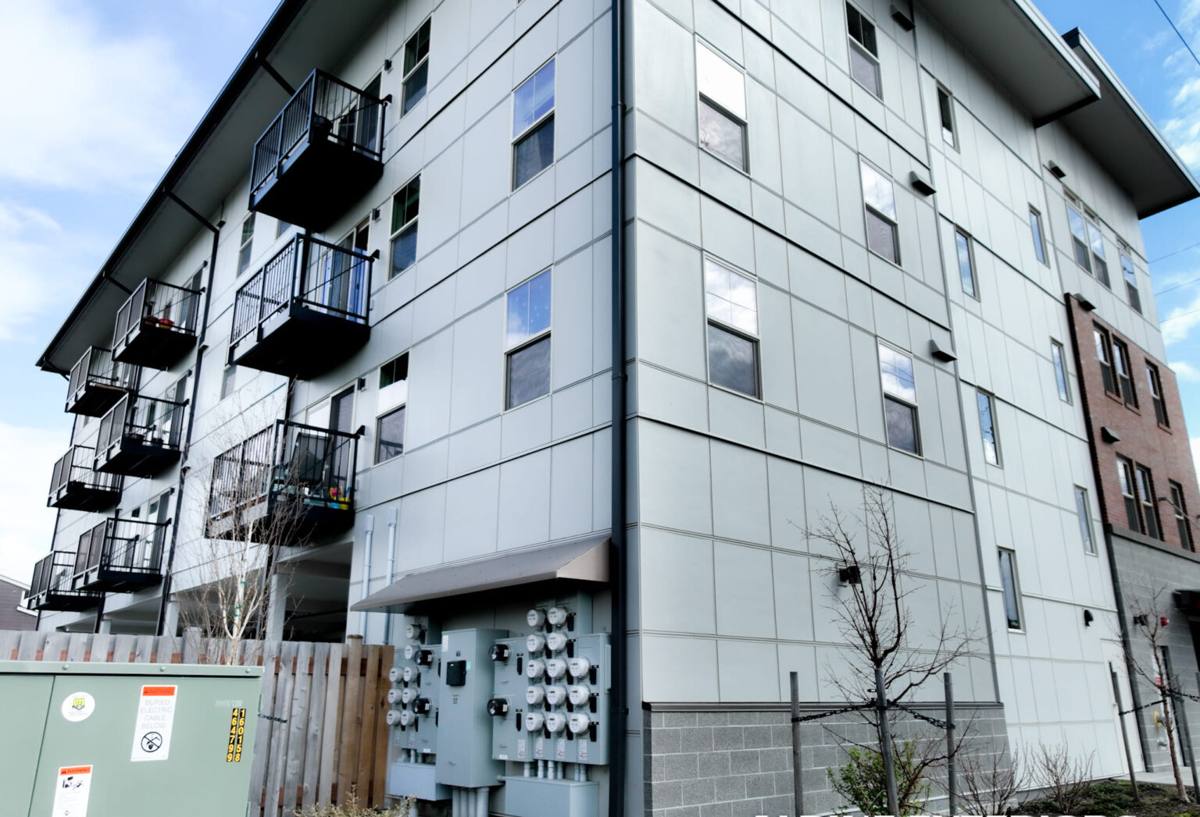
What Sedro-Woolley's Climate Does to Siding Over Time
It's not one big storm that damages siding here — it's the slow, repeated cycle of getting wet and staying wet. A few specific patterns show up again and again on homes throughout the Skagit Valley:
Extended Moisture Exposure
Rain in this region tends to arrive as long, low-intensity systems rather than short downpours, which means siding surfaces and the wall assembly behind them can stay damp for days at a time. Any weak point in the water-resistive barrier, flashing, or caulking becomes an entry point that has plenty of opportunity to do damage before things dry out again.
Moss, Algae, and Shade
Wooded lots and tree-lined streets are common around Sedro-Woolley, and shaded, north-facing walls are slow to dry after rain. That's exactly the environment moss and algae need to establish themselves on siding surfaces, in trim joints, and along butt seams — and once established, trapped moisture underneath accelerates rot in anything wood-based.
Freeze-Thaw and Seasonal Swings
Winters here aren't extreme, but damp siding that freezes even a handful of nights a year will expand and contract. Materials that absorb water — untreated wood, some engineered wood products, and poorly sealed cut edges — are the ones that suffer most from this cycle over the years.
What a Correct Siding Installation Involves
Siding is a system, not just a surface. A crew that only focuses on how the boards look when they're done is skipping the parts that determine whether the wall stays dry for the next 30 years.
Water-Resistive Barrier and Drainage Plane
Every wall gets a continuous, properly lapped weather-resistive barrier underneath the siding, with a drainage gap that lets any moisture that does get behind the cladding find its way back out instead of sitting against the sheathing. In a climate that stays wet as long as Sedro-Woolley's does, this layer matters as much as the visible siding itself.
Flashing at Every Penetration
Windows, doors, hose bibs, vents, and anywhere else something breaks through the siding plane need properly integrated flashing — not just a bead of caulk. Caulk fails; flashing that's lapped correctly with the water-resistive barrier keeps water moving down and out no matter what happens to the sealant over time.
Fastening and Clearances
Fiber cement siding has manufacturer-specified nailing patterns, fastener types, and minimum clearances from grade, roofing, and decks. Skipping these — over-driving nails, fastening too close to panel edges, or leaving no gap at the bottom for drainage and ventilation — is one of the most common ways an installation shortens the life of otherwise good material.
Field Cuts and Sealed Edges
Every cut edge on fiber cement siding needs to be sealed per manufacturer spec before it goes up. Left raw, a cut edge is the fastest way for a durable product to start absorbing moisture right where it's most vulnerable — at seams, corners, and around openings.
Why We Install Only James Hardie Fiber Cement
We don't install vinyl, LP SmartSide, primed spruce, cedar, or other fiber cement brands. That's a deliberate standard, not a limitation of what we're capable of installing. For a climate like Sedro-Woolley's — extended damp periods, shaded lots, moss pressure — the trade-offs of other materials show up faster and cost homeowners more over time.
Vinyl can warp and doesn't offer real protection against moisture intrusion behind the panel; it's a cladding, not a moisture-managed system. Wood-based and engineered-wood products, even treated ones, depend heavily on maintaining an intact factory coating and staying dry — something that's genuinely difficult to guarantee on a shaded, moss-prone wall that stays wet for days at a stretch. Untreated or minimally finished wood siding requires the most ongoing maintenance of any option and is the least forgiving of the group when moisture gets past the surface.
James Hardie fiber cement is non-combustible, dimensionally stable, and doesn't feed moss and mildew the way wood-based products can. Hardie's HZ5 product line is engineered specifically for the wetter, more humid climate zones the Pacific Northwest falls into, and the factory-applied ColorPlus finish is baked on under controlled conditions rather than field-applied — which means better adhesion and a longer color life than a coat of paint put on outdoors in Skagit Valley weather. It's backed by a strong transferable warranty, but the real value is what it does on the wall for the next few decades, not just what the warranty document says.
How the Common Options Stack Up in This Climate
| Factor | Vinyl Siding | Wood / Engineered Wood | James Hardie Fiber Cement |
|---|---|---|---|
| Moisture resistance | Doesn't absorb water, but seams and panel joints can let water behind the wall | Absorbs moisture if coating is compromised; slow to dry on shaded walls | Engineered fiber cement resists moisture absorption; HZ5 built for wet climates |
| Moss / algae resistance | Can host surface growth in shaded, damp spots | Prone to moss and mildew on shaded, slow-drying walls | Dense fiber cement surface resists moss and algae growth |
| Fire performance | Combustible | Combustible | Non-combustible |
| Ongoing maintenance | Low, but limited repair options once damaged | Highest — recoating, caulking, and monitoring for rot | Low — periodic washing and caulk checks |
| Finish longevity | Can fade unevenly over time | Field-applied finishes weather faster in wet climates | Factory-baked ColorPlus finish holds up longer than field-applied paint |
Our Siding Installation Process
The process is the same discipline on every Sedro-Woolley job, whether it's a full re-side or new construction:
- On-site assessment of the existing wall assembly, sheathing condition, and any moisture or rot already present
- Removal of old siding and inspection of sheathing — replacing any damaged sections before anything new goes up
- Installation of a continuous water-resistive barrier with correct laps and a drainage gap behind the cladding
- Integrated flashing at every window, door, and penetration, tied into the barrier system
- James Hardie panel or lap siding installed to manufacturer fastening specs, with proper clearances at grade, roofing, and decks
- Sealed field cuts and factory-finished trim to close out seams, corners, and transitions
- Final walk-through so you understand what was done and what to watch for going forward
We don't skip the barrier and flashing work to move faster — those are the parts of the job nobody sees once it's finished, and they're the parts most responsible for whether the wall stays dry for the long haul.
Signs Your Current Siding Is Losing the Battle
A lot of Sedro-Woolley homes are carrying siding that's quietly failing behind a coat of paint or a green tint of moss. Worth checking for:
- Persistent moss or algae staining that comes back within a season of cleaning
- Soft or spongy spots when you press on siding near the bottom edge or around windows
- Visible gaps, warping, or bowing boards, especially on shaded or north-facing walls
- Peeling or bubbling paint that keeps recurring in the same spots
- Interior signs like musty smells or discoloration on exterior walls
Any of these can mean moisture has already gotten past the surface. Catching it early keeps the repair to siding and trim rather than sheathing and framing.
Why Local Experience in Skagit County Matters
A crew that already works Sedro-Woolley and the surrounding Skagit Valley knows the difference between a wall that just needs new siding and one that's been quietly absorbing moisture for years behind a failing barrier. They know which sides of a house in this area tend to hold moisture longest, how local permitting and inspection works, and what fastening and clearance details actually hold up against this specific mix of rain, humidity, and shade — not a generic climate zone on a manufacturer's install guide. That local pattern recognition is the difference between a siding job that looks right on install day and one that's still performing correctly in fifteen years.
Protecting the Investment After Installation
Correctly installed James Hardie siding needs very little upkeep, but a few habits go a long way in this climate: keep gutters clear so water isn't sheeting down the wall, trim back vegetation and tree limbs that keep a wall shaded and damp, and rinse off moss or algae buildup before it has a chance to establish. A periodic look at caulking around windows, doors, and trim catches small gaps before they become entry points. None of this is heavy maintenance — it's the kind of light attention that lets a properly installed system go the distance in a climate that doesn't make it easy.
If your Sedro-Woolley home is due for new siding, or you want a second opinion on whether what's on the wall now is still doing its job, we're happy to take a look. Reach out for a free, no-pressure estimate — no obligation, just a straight assessment of what your home actually needs.