 Anacortes Siding
 Ship Harbor's Coastline Puts Extra Load on Your Siding
Homes near Ship Harbor sit on the exposed west side of Fidalgo Island, where the Salish Sea weather arrives with little to break it up. That waterfront position is part of what makes the area desirable, but it also means the exterior of a house works harder here than it does a few miles inland in Anacortes. Salt-laden air, wind-driven rain off the water, and a long stretch of damp, shaded months all chip away at siding, trim, and fasteners year after year. A siding replacement in this neighborhood isn't the same job as one in a sheltered subdivision, and it shouldn't be treated that way.
We work throughout Skagit County, but Ship Harbor comes up often enough that we've built our process around what this specific stretch of coastline does to a home's exterior. This page covers what local homes actually need from a siding replacement, what correct installation looks like out here, and why we stand behind one product system for this kind of exposure.
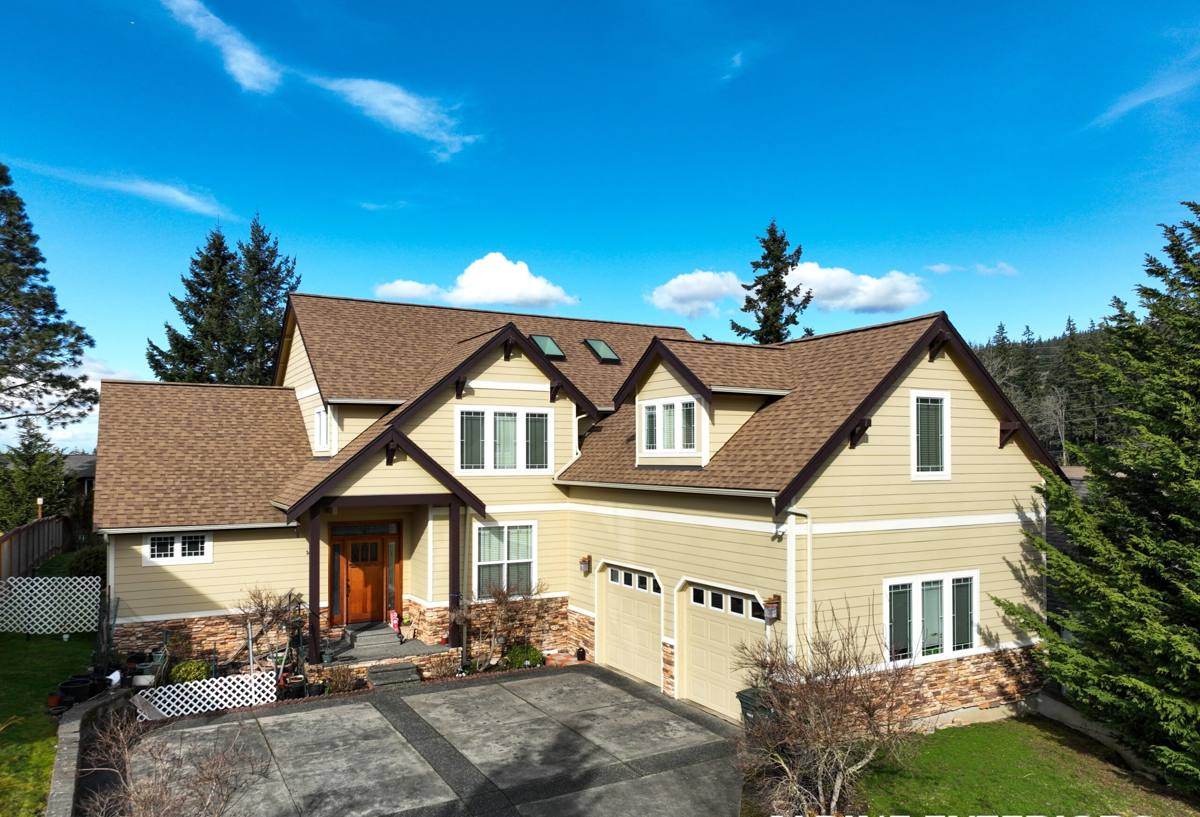
How Salt Air, Wind-Driven Rain, and Moss Shorten Siding Life
Salt Air and Fastener Corrosion
Airborne salt from the water doesn't just settle on glass and metal railings — it works into every exposed fastener, hinge, and piece of trim hardware on the exterior of a house. Over years, that exposure corrodes untreated or under-rated fasteners, streaks paint finishes, and accelerates the breakdown of anything not specifically rated for a marine environment. Siding systems that aren't engineered with coastal exposure in mind tend to show this wear first at the fastener heads and cut edges.
Wind-Driven Rain and Wall Assembly Moisture
Ship Harbor's open exposure means rain rarely falls straight down — it comes in sideways, driven by wind off the water. That matters more than most homeowners realize, because wind-driven rain doesn't just wet the surface of the siding; it tests every seam, joint, and piece of flashing behind it. A siding job that looks fine from the curb can still be letting moisture into the wall assembly if the water-resistive barrier, flashing, and drainage plane weren't installed correctly. Trapped moisture behind siding leads to sheathing rot and framing damage long before the siding itself shows a problem.
Moss, Algae, and the Shade Problem
Western Washington's moss season is long, and homes near Ship Harbor's tree cover and marine layer humidity get more of it than most. North-facing walls and anything shaded by mature trees stay damp for extended stretches, which is exactly what moss and algae need to take hold. Beyond the cosmetic staining, sustained moss growth holds moisture against the siding surface and, on materials prone to swelling or delamination, can shorten the service life of the wall.
Signs Ship Harbor Homeowners Should Watch For
Because coastal exposure accelerates wear, it's worth checking your siding more often than a standard maintenance schedule would suggest. Look for:
- Soft or spongy spots when you press on the siding, especially near the bottom courses and around windows
- Persistent moss or algae streaking that returns quickly after cleaning
- Visible rust or staining running down from fastener heads or trim screws
- Cracked, bubbling, or peeling paint that reappears within a year or two of repainting
- Warping, cupping, or separation at panel seams and butt joints
- Gaps opening up at trim boards, corner boards, or window and door casings
- A musty smell or visible staining on interior walls that share an exterior wall with heavy weather exposure
Any one of these on its own might just need a repair. Several together, especially on the water-facing side of a home, usually mean it's time to look at full replacement rather than patching a system that's past its practical life.
What a Correct Siding Replacement Actually Involves
Tear-Off and Sheathing Inspection
Replacement starts with removing the old siding down to the sheathing, not covering over it. That's the only way to actually see what the wall has been dealing with — soft sheathing, hidden rot, or damaged framing near windows and at the base of the wall. In a marine exposure area like Ship Harbor, we pay close attention to bottom plates and any wall sections that have been shaded and damp for years.
Weather-Resistive Barrier and Flashing
A new weather-resistive barrier goes on correctly lapped, shingle-style, so water sheds outward rather than working its way behind seams. Flashing at every window, door, and horizontal trim transition is what actually stops wind-driven rain from reaching the sheathing — this detail work matters more on an exposed waterfront lot than almost anywhere else in the region.
Rainscreen Gap
We install with a rainscreen gap behind the siding wherever conditions call for it, giving any moisture that does get past the outer layer a path to drain and dry instead of sitting against the wall. In a high-moisture, wind-exposed area, that airspace is one of the most effective things we can build into the wall assembly.
Fastening Schedule and Trim
Fastener type, spacing, and depth all follow the manufacturer's specification, not shortcuts to save time. Trim and corner details are sealed and caulked with products rated for the movement and moisture cycling a coastal wall goes through, not standard interior-grade materials.
How Common Siding Materials Hold Up on Fidalgo Island's West Side
| Material | Salt Air Exposure | Wind-Driven Rain | Moss/Algae Resistance | Long-Term Maintenance |
|---|---|---|---|---|
| James Hardie fiber cement | Non-combustible, dimensionally stable, factory finish holds up well | Engineered HZ product line for wet climates; performs well with correct install | Dense, moisture-resistant substrate resists moss-driven degradation | Low — ColorPlus finish is designed to resist fading and chalking |
| Vinyl | Can become brittle and discolor with sun and salt exposure over time | Prone to water intrusion at seams if not installed with care | Textured surfaces can hold moss and grime | Low upfront, but limited repair options once damaged or faded |
| Wood / cedar | Attractive but needs regular refinishing to resist salt and moisture | Absorbs moisture readily; prone to cupping and rot in wet cycles | Organic material — most susceptible to moss and rot without upkeep | High — recurring painting, staining, and repair |
| Engineered wood (LP SmartSide) | Treated strand substrate helps, but edges remain a vulnerable point | Can swell at cut edges and seams if moisture gets in | Better than raw wood, but still an organic-fiber product | Moderate — edge sealing and caulking need ongoing attention |
This isn't a knock on every product on this list — vinyl, cedar, and engineered wood siding all have legitimate uses and real advantages depending on the project. But for the specific combination of salt air, sustained wind-driven rain, and a long moss season that Ship Harbor homes deal with, we've made a professional decision to install only James Hardie fiber cement siding, and we think that decision is worth explaining rather than just stating.
Why We Install Only James Hardie on Ship Harbor Homes
James Hardie's HZ5 product line is engineered specifically for climates like ours — wet winters, marine exposure, and repeated wet-dry cycling. Fiber cement is non-combustible, which matters increasingly in Washington regardless of coastal or inland location, and it holds its dimensions in a way that resists the cupping and warping that wood-based products can develop under sustained moisture exposure. The factory-applied ColorPlus finish is baked on under controlled conditions, which gives it better fade and moisture resistance than field-applied paint, and it comes with a meaningful, transferable warranty backing the product.
None of that replaces good installation — a great product installed poorly will still fail. But starting with a material engineered for this exact climate, rather than adapting a product designed for a different one, is the foundation we build every Ship Harbor job on.
Our Process From Estimate to Finished Wall
- On-site assessment of your current siding, trim, and any visible moisture or rot signs, with particular attention to water-facing walls and shaded sections
- A written scope and estimate explaining exactly what's included — tear-off, sheathing repair if needed, weather barrier, flashing, rainscreen, siding, and trim
- Tear-off and sheathing inspection, with any rot or damage addressed and documented before new siding goes on
- Installation of the weather-resistive barrier, flashing, and rainscreen gap where called for
- James Hardie siding and trim installation to manufacturer fastening specifications
- Final caulking, paint touch-up on cut edges, and a walkthrough so you know exactly what was done and why
What Affects the Cost of a Ship Harbor Siding Replacement
| Cost Factor | Why It Matters Here |
|---|---|
| Sheathing and framing condition | Coastal moisture exposure means hidden rot repair is more common than in sheltered areas — this is usually the biggest variable |
| Wall complexity and trim detail | Homes with more corners, dormers, and trim transitions take more flashing and labor time to do correctly |
| Siding profile and finish selection | Lap width, panel style, and ColorPlus color choice all factor into material cost |
| Access and site conditions | Waterfront lots with slopes, limited staging area, or mature landscaping can affect labor time |
| Scope of tear-off | Full removal versus partial re-siding changes both material and labor totals |
We give a specific number after we've actually looked at your walls — not before. Broad estimates without an inspection tend to miss exactly the hidden damage that coastal homes are more prone to.
Why Hiring a Crew That Already Works Ship Harbor Matters
A contractor who mostly works inland projects can still do a technically fine install, but they may not think through the extra flashing detail a wind-exposed wall needs, or recognize early moss and moisture patterns specific to this kind of site. Crews familiar with Ship Harbor's conditions know to look closely at water-facing elevations, understand how the local marine layer affects drying time and paint cure schedules, and are used to coordinating around the access and staging challenges that waterfront and sloped lots can present. We also handle permitting through the City of Anacortes and Skagit County as part of the job, so you're not left navigating that process alone.
If your siding is showing wear, or you just want an honest read on whether it's a repair or replacement situation, we'll come take a look. The estimate is free, there's no pressure to move forward, and you'll get a straight answer about what your home actually needs.