 Anacortes Siding
 Siding Built for March Point's Exposure
March Point sits out on the water, wrapped by Fidalgo Bay and Padilla Bay, which means homes here take weather straight off the water with very little to slow it down. That open exposure is different from a sheltered lot a few miles inland in Anacortes proper. Wind carries salt spray further onto exterior walls, rain arrives sideways more often than straight down, and the tree cover and shade patterns typical of Skagit County keep north- and west-facing walls damp for long stretches of the year. Siding on a March Point home works harder than siding almost anywhere else in the area, and it shows in how fast some products age here.
This page is about one thing: replacing tired, failing siding on a March Point home the right way, with a product and installation approach built for this specific exposure, done by a crew that already works this stretch of the county.
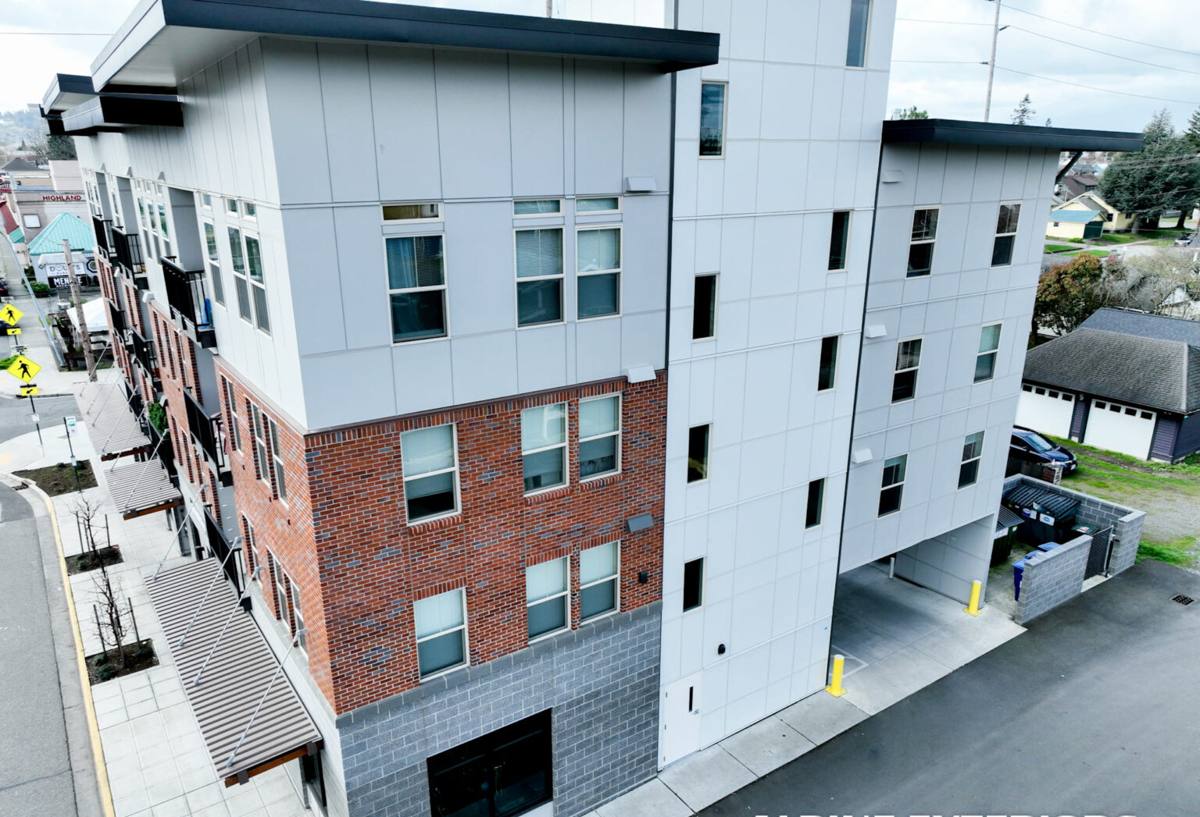
What Salt Air, Rain, and Moss Actually Do to Siding
Salt-Laden Air
Airborne salt doesn't just affect metal fasteners and flashing — it accelerates the breakdown of paint films and caulking, and it draws moisture into any exposed or cracked substrate. Siding that isn't sealed and finished to hold up against salt exposure will chalk, fade, and open up at the joints years before it would in a drier, more inland location.
Wind-Driven Rain
On an exposed point like this, rain doesn't fall politely down a wall — wind pushes it up under laps, around trim, and into any gap in the water-resistive barrier or flashing. A siding system with even a small installation flaw becomes a moisture problem much faster here than it would on a wall with more natural shelter.
Extended Moss Season
Western Washington's damp, mild winters already favor moss and algae growth, and shaded, water-facing walls in this area stay wet longer after every rain. Moss holds moisture against the siding surface, and on products that aren't dimensionally stable or that absorb water at the surface, that constant dampness speeds up rot, delamination, or paint failure.
Signs a March Point Home Needs Siding Replacement
Because this area's climate accelerates every weakness in a siding system, it's worth checking your home's exterior more carefully than a homeowner in a sheltered neighborhood might need to. Look for:
- Soft or spongy spots when you press on siding, especially near the bottom courses and around windows
- Paint that's peeling, bubbling, or chalking heavily on wind-facing or shaded walls
- Visible gaps opening up at butt joints, corners, or where siding meets trim
- Persistent moss or dark streaking that comes back within weeks of cleaning
- Warping, cupping, or buckling boards, particularly on older wood or engineered wood siding
- Rusted or bleeding fasteners showing through the surface
- Rising energy bills that suggest wall insulation is compromised by trapped moisture
One or two of these on their own might just need spot repair. Several at once, especially spread across more than one wall, usually means the siding system itself has reached the end of its useful life.
What a Correct Siding Replacement Involves
Replacing siding is not simply pulling old boards off and nailing up new ones. On an exposure like March Point, the work that happens before the new siding goes up matters as much as the siding itself:
- Full tear-off and sheathing inspection — old siding comes off completely so the sheathing underneath can be checked for rot, soft spots, or prior water damage and repaired before anything new goes on.
- A continuous water-resistive barrier — a properly lapped and sealed weather barrier behind the siding is the real line of defense against wind-driven rain, not the siding surface itself.
- Correct flashing at every penetration — windows, doors, vents, hose bibs, and any wall penetration need flashing detailed to shed water downward and outward, not just caulked over.
- Manufacturer-spec fastening — nail size, spacing, and placement affect both wind resistance and how the siding expands and contracts with weather. Fastening it "close enough" leads to early failures.
- Proper clearances — gaps at grade, roofline, and deck ledgers keep siding from sitting in standing water or trapped moisture, which is especially important on a low-lying, water-adjacent property.
- Factory-finished material — a finish applied and cured under controlled conditions holds up to UV and salt exposure far longer than field-applied paint.
Why We Install Only James Hardie Fiber Cement
We standardized on James Hardie fiber cement siding and don't install vinyl, LP SmartSide, or other engineered wood products, and on a site like March Point the reasoning is straightforward. Fiber cement is non-combustible and dimensionally stable — it doesn't swell, cup, or delaminate the way wood-based products can when they stay damp for weeks at a time, which is exactly the condition a shaded, water-facing wall in this area sees every winter. Hardie's ColorPlus factory finish is baked on and warranted against fading and chipping, which matters more here than in a sheltered inland lot because salt air and UV both work faster against a field-applied paint job.
Hardie also builds specific product lines engineered for different climate zones (HZ5 and HZ10), which means the material itself is matched to the moisture and temperature profile of the Pacific Northwest rather than a one-size-fits-all formulation. Combined with a strong transferable warranty, it's the product we're willing to stand behind on a job this exposed. We're happy to talk through the trade-offs of other products if you're comparing options — we'd rather you make an informed choice than assume there's only one answer.
Our Process for March Point Projects
- On-site inspection — we walk the exterior, check for soft sheathing, moisture damage, and problem areas specific to your home's orientation and shade pattern.
- Written scope and estimate — you get a clear breakdown of what's being replaced, what water-barrier and flashing work is included, and the product and color selected.
- Tear-off and substrate repair — old siding comes off, sheathing is inspected and repaired as needed before anything new is installed.
- Weather barrier and flashing installation — the water-management layer goes in first and gets inspected before siding covers it.
- Hardie siding installation — installed to manufacturer spec for fastening, clearances, and joint treatment.
- Trim, caulking, and final detail work — the details that determine whether the system sheds water correctly for the next several decades.
- Walkthrough and cleanup — we review the finished work with you and leave the site clean.
Cost Factors for Siding Replacement in This Area
Every home is different, but the same handful of factors drive most of the cost variation we see on siding replacement jobs in and around March Point:
| Factor | Why It Affects Cost |
|---|---|
| Extent of substrate damage | Rot or soft sheathing found during tear-off requires repair before new siding goes on |
| Home size and wall complexity | More corners, gables, and trim detail mean more labor and material cutting |
| Access and site conditions | Waterfront lots, slopes, or limited staging space can add time to the job |
| Siding profile and color selection | Certain Hardie profiles and ColorPlus colors carry different material costs |
| Window and trim work included | Replacing or upgrading trim, flashing, and window detailing alongside siding adds scope |
We don't quote broad numbers without seeing the home — an accurate estimate depends on what we find once the old siding comes off and the substrate is visible.
Why Hiring a Crew That Already Works March Point Matters
A contractor who already works this part of Skagit County knows how differently an exposed, water-adjacent site behaves compared to a sheltered neighborhood a few miles away. That shows up in small but important decisions: how much extra attention the wind-facing walls get, how flashing is detailed around penetrations on a home that takes rain from more directions than usual, and how installation is scheduled around weather windows that matter more here than inland. It also means fewer surprises with permitting and local requirements, because the crew has already been through the process on similar homes nearby.
Keeping New Siding Performing in This Climate
Once new siding is installed correctly, a little ongoing attention goes a long way in an environment like this:
- Rinse salt residue and grime off exterior walls periodically, especially wind-facing sides
- Keep gutters clear so water sheds away from the wall instead of running down it
- Trim back vegetation that shades walls and keeps them damp longer than necessary
- Check caulking at trim and penetrations every year or two and touch up as needed
- Address any moss regrowth promptly rather than letting it sit against the surface
If your March Point home's siding is showing its age, we're glad to take a look and give you a straightforward, no-pressure assessment of what's going on and what it would take to fix it right. Use the form below to request a free estimate.