 Anacortes Siding
 Similk Beach Sits Right Where Puget Sound Weather Hits Hardest
Similk Beach sits along the water on Fidalgo Island, close enough to Similk Bay and the open Salish Sea that homes here take a different kind of weather beating than a house a few miles inland in Anacortes proper. Salt-laden air moves off the water and settles on everything, including exterior walls. Driving rain comes in sideways during winter storms instead of falling straight down, which means it finds every gap, seam, and nail hole a siding installer left unsealed. And Skagit County's long, damp shoulder seasons — plus the shade many waterfront lots carry from mature evergreens — add up to a moss and algae season that runs longer here than it does in drier parts of the state.
None of that is unusual for this part of Washington. But it does mean siding replacement in Similk Beach isn't a generic job. The product you choose and the way it's installed both need to account for salt exposure, wind-driven moisture, and near-constant humidity against the wall — not just the average Pacific Northwest rain.
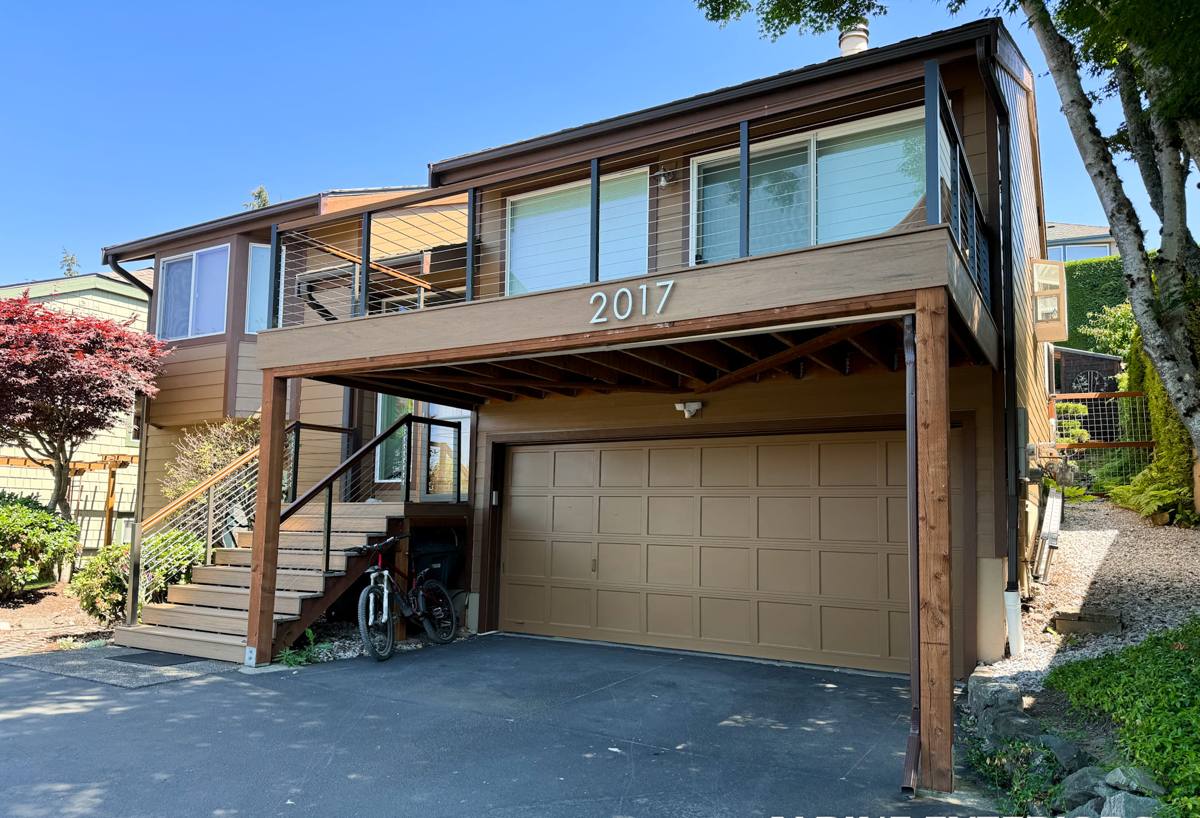
How to Tell You're Looking at Replacement, Not Repair
A lot of siding problems in this neighborhood get patched for years before anyone calls in a full replacement, mostly because the damage is easy to miss from the ground. Some signs are worth walking your exterior for specifically:
- Soft or spongy spots when you press on the siding, especially near the bottom courses and around window and door trim
- Paint that keeps failing in the same spots no matter how often it's redone — usually a sign moisture is getting behind the material, not just weathering the surface
- Visible warping, cupping, or separation at panel seams
- Persistent moss or dark streaking that comes right back within a season of cleaning
- Rising energy bills paired with drafts at exterior walls, which can point to a siding and weather barrier system that's no longer doing its job
Any one of these on its own might just need a repair. Several at once, especially on a home that's original to its construction or has old vinyl, LP SmartSide, or cedar siding, usually means the whole system — siding, house wrap, and flashing — is due for replacement rather than another patch.
What a Correct Siding Replacement Actually Involves
Siding is only as good as what's underneath it. A proper replacement isn't just pulling off old panels and nailing up new ones — it's rebuilding the drainage plane that keeps water moving away from your sheathing and framing.
Tear-off and inspection
Old siding comes off down to the sheathing, which is the point where a lot of hidden problems finally show themselves: soft plywood, rusted fasteners, or water staining that never made it to the interior. This is the one time to catch and fix that damage before it's sealed back up behind new siding for another few decades.
Weather-resistant barrier
A new, correctly lapped water-resistive barrier goes over the sheathing. In a location like Similk Beach, where wind-driven rain is a regular event rather than an occasional storm, how the barrier is lapped and taped at seams matters as much as the barrier product itself.
Flashing at every penetration
Windows, doors, hose bibs, vents, and any other wall penetration need proper flashing integrated with the weather barrier — not caulk alone. Caulk fails; flashing that's built into the drainage plane doesn't rely on staying perfectly sealed for 30 years to do its job.
Rainscreen or drainage gap
A ventilated gap between the weather barrier and the new siding lets any moisture that does get past the outer layer drain and dry out instead of sitting against the wall. This is especially valuable on shaded or waterfront lots where walls stay damp longer between dry spells.
Correct fastening and clearances
James Hardie siding has specific fastening patterns, clearances from grade, roof lines, and decks, and installation requirements by climate zone. Skip these and you void the manufacturer's warranty even if the siding itself is a good product — which is exactly the kind of shortcut that shows up as a problem five or ten years down the road.
Why We Only Install James Hardie Fiber Cement
We install James Hardie fiber cement siding exclusively. We don't install vinyl, LP SmartSide, cedar, or primed spruce, and that's a deliberate standard, not a limitation of what we're capable of installing.
Fiber cement is non-combustible, doesn't rot the way wood-based products can when moisture gets behind them, and holds up to salt air and sun without the warping, cracking, or fading that vinyl and engineered wood products are prone to over time near the water. Hardie's ColorPlus factory finish is baked on under controlled conditions, which gives more consistent, longer-lasting color than field-applied paint — a real advantage in a spot like Similk Beach where salt spray and UV both work against painted surfaces. Hardie also builds HZ5 products specifically engineered for wetter, harsher climates, which is a meaningful fit for a waterfront Skagit County property.
None of that replaces correct installation — even the best siding fails early if it's hung wrong. But starting with a product built for this climate, backed by a strong transferable warranty, means the installation work we do is protecting a material that's actually suited to Anacortes weather in the first place.
Our Process for Similk Beach Jobs
Working this neighborhood regularly means we already know what to check for before we ever pull the first piece of old siding.
- Site walk and assessment — we look at sun and shade exposure, proximity to the water, existing moisture damage, and any trouble spots like north-facing walls or areas under tree cover that hold moisture longer
- Written estimate — scope, product line, color, and timeline laid out clearly, with no surprise add-ons buried in fine print
- Tear-off and sheathing repair — old material removed, damaged sheathing replaced, framing checked
- Weather barrier, flashing, and drainage gap installed to spec — the part of the job that determines whether the siding lasts 10 years or 40
- Hardie siding installed to manufacturer fastening and clearance requirements — including proper clearance from grade, decks, and roof lines, which is a common corner-cutting spot on waterfront and sloped lots
- Final walkthrough — trim, caulking at true penetration points, and a full exterior review before we call the job done
What Affects the Cost of a Siding Replacement Here
| Factor | Why It Matters in Similk Beach |
|---|---|
| Extent of hidden sheathing damage | Waterfront and shaded lots see more long-term moisture intrusion, which can mean more sheathing repair once old siding comes off |
| House size and wall complexity | Dormers, multiple gables, and wraparound porches common on view lots add cutting, flashing, and labor time |
| Siding profile and trim detail | Lap width, shingle-style panels, and trim board choices affect material and labor cost |
| Access | Steep waterfront lots or limited driveway access can affect staging and equipment costs |
| Removal and disposal of old material | Old vinyl, cedar, or engineered wood siding requires tear-off and haul-away, factored into the bid |
We don't publish flat per-square-foot pricing because these variables genuinely change the number from one Similk Beach property to the next — but every estimate we give is itemized so you can see exactly what you're paying for.
Choosing a Contractor Who Actually Knows This Area
Siding contractors who mostly work inland or in drier climates sometimes underbuild the moisture management side of a job, because it simply hasn't bitten them the way it will on a Skagit County waterfront property. A few things worth asking any contractor bidding your Similk Beach job:
- Do they detail flashing and drainage gap installation in writing, or just mention "waterproofing" in general terms?
- Do they install to James Hardie's published fastening and clearance specifications, and can they explain what those are?
- Do they carry proper licensing and insurance for exterior work in Washington state?
- Will the manufacturer's warranty transfer to you in writing, and does the installer's workmanship warranty cover labor separately from material defects?
- Can they speak specifically to how they handle salt air exposure and moss-prone shaded walls, not just siding in general?
A contractor who's worked this stretch of Anacortes and the surrounding Skagit County coastline will have concrete answers to all of these, not general talking points.
Caring for New Siding After Installation
Correctly installed Hardie siding is low-maintenance, not zero-maintenance. A light annual rinse to knock off salt residue and moss spores before they take hold goes a long way, especially on shaded or north-facing walls. Keep an eye on caulking at trim joints and touch it up if it starts to crack, and trim back vegetation that's holding moisture against the wall. None of this is heavy work — it's the kind of upkeep that keeps a well-installed system performing for decades instead of just the first several years.
If your Similk Beach home is showing signs of siding wear, or you're simply ready to stop patching a system that's fighting the same salt air and rain every year, we're happy to walk your property and give you a straight, no-pressure estimate. Use the form below to get started.