 Anacortes Siding
 Bow sits in the rural stretch of Skagit County between Anacortes and Samish Bay, where open farmland, tidal water, and wooded lots all meet, and that combination is harder on exterior siding than most homeowners realize until they're already dealing with soft trim or a paint job that won't hold. We replace siding on homes throughout Bow and the surrounding area, and it's one of the parts of our territory where the climate makes material choice and installation quality genuinely consequential rather than a matter of taste.
What Bow's Climate Does to Siding Over Time
Bow's location near Samish Bay and Padilla Bay means homes here take on salt-laden air more directly than properties further inland. That salt air accelerates corrosion at fasteners, flashing, and any exposed metal trim, and it works against lower-grade coatings and finishes that weren't built to shed it. Layer on driving rain — wind-pushed rain that hits walls at an angle instead of falling straight down — and siding here has to manage water intrusion at seams, corners, and trim joints far more often than it would in a sheltered, inland setting.
Then there's moss. Much of Skagit County lives with a long, damp season that keeps shaded and north-facing walls wet for extended stretches, and Bow's mix of open farmland and mature tree cover gives moss and algae plenty of places to take hold. Moss doesn't just look bad — it holds moisture against whatever it's growing on, and siding that stays damp for weeks at a time ages faster than siding that gets a real chance to dry between storms.
None of this means a Bow home is fighting a losing battle. It means the material has to be genuinely suited to sustained moisture and salt exposure, and the installation has to be detailed correctly the first time, because this climate finds shortcuts faster than a drier one would.
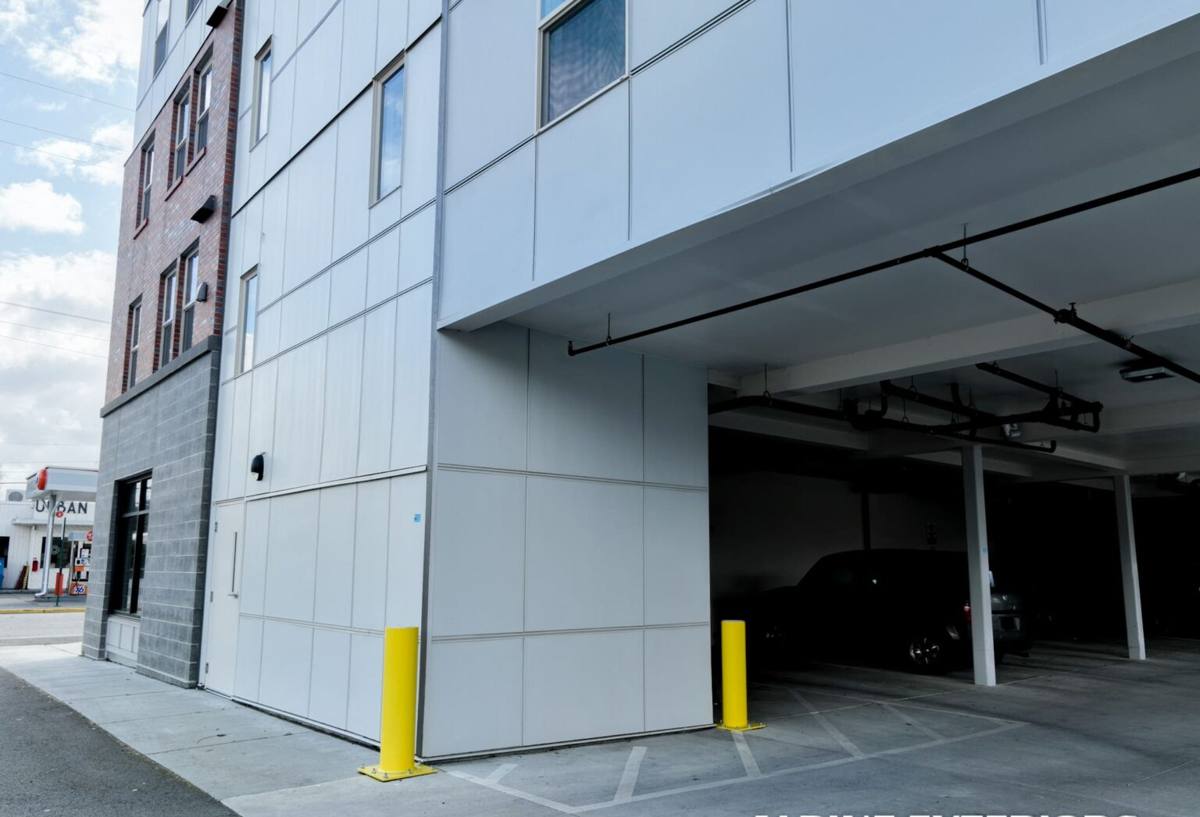
Signs Your Bow Home's Siding Needs Replacing — Not Just Patching
Not every siding problem calls for a full replacement, but there's a point where patching stops making sense and a full replacement is the more honest recommendation. Some signs we look for on an assessment:
- Soft, spongy, or crumbling boards, especially near the bottom courses, corners, and anywhere trim meets siding
- Paint or coating that keeps failing within a year or two of repainting, rather than holding for its expected cycle
- Visible gaps, warping, or cupping in lap siding, particularly on walls that face prevailing wind and rain off the water
- Persistent moss or algae staining on shaded or north-facing walls that keeps returning after cleaning
- Cracked, brittle, or missing panels that are difficult or impossible to match if the siding is older
- A musty smell, visible mold, or staining on interior walls near exterior siding — often a sign water has already gotten behind the cladding
- Rising heating or cooling bills that can't be explained by anything else, which sometimes points to a compromised weather barrier
One or two of these on their own might mean a targeted repair is enough. Several together, especially combined with visible rot or a wall assembly that's already staying wet, usually means the underlying materials have reached the end of their useful life and a full replacement is the more honest path forward.
What a Correct Siding Replacement Job Involves
Tear-Off and What's Underneath
A siding replacement isn't just swapping the visible layer. Once the old siding comes off, that's the only real chance to see what's happening underneath — sheathing condition, whether the old weather-resistive barrier did its job, and whether water has already gotten into the wall assembly anywhere. On older Bow properties, this step often turns up issues that were invisible from the outside, and it's better to find them before new siding goes up than to cover them over.
Weather-Resistive Barrier and Flashing
The siding itself is only part of how a wall keeps water out. A correctly lapped weather-resistive barrier, properly integrated flashing at windows, doors, and any wall penetrations, and correct sequencing so water is always directed outward and down are what actually keep a wall dry through a Skagit County winter. This is the part of the job that doesn't show up in a finished photo but determines whether the siding is still performing in fifteen years.
Installation to Manufacturer Spec
Fiber cement siding has specific requirements for fastening, clearances, and gapping that matter more in a wet climate than a dry one — correct nail placement, proper clearance from grade and roof lines, and gaps sized to allow the material to move without opening a path for water. Skipping or rushing these details is one of the most common ways an otherwise good product underperforms.
Trim, Caulking, and Finish
Trim boards, corner details, and caulking are where a lot of long-term problems start if they're not handled correctly. We use trim and sealant products suited to sustained moisture exposure and detail them so water sheds away from joints rather than sitting in them.
Why We Install Only James Hardie Fiber Cement in Bow
We install one siding product on every job: James Hardie fiber cement. It's non-combustible, dimensionally stable, and doesn't have an organic core for moisture to break down the way wood-based products do. Hardie's ColorPlus finish is baked on at the factory rather than applied on site, which holds up better against the UV and salt exposure a Bow property deals with than a field-applied coating typically does. Hardie also builds climate-engineered HZ product lines formulated for wetter regions like the Pacific Northwest, rather than selling one generic formulation everywhere, and backs its products with a strong, transferable warranty that matters if the home changes hands down the road.
What We Don't Install, and Why
Homeowners in Bow ask us about vinyl, LP SmartSide, primed spruce, and cedar fairly often. We don't install any of them. Vinyl is a loose-hung cladding that depends entirely on the barrier behind it staying intact, and it can go brittle with age under sustained UV and salt exposure. Engineered wood products use a wood-strand core that's vulnerable if moisture reaches a cut edge or fastener hole, which is a real risk in a climate with this much driving rain. Primed wood and cedar both look good going up, but they need a real, ongoing maintenance commitment — recoating, caulk renewal, moss treatment — and that schedule only gets tighter in a marine climate, not looser. None of these are bad products everywhere. We've simply made a professional judgment, based on what we see on Bow-area homes, that they're not what we're willing to install and warranty our labor against here.
How the Options Compare in This Climate
| Material | Moisture Behavior | Maintenance | Fit for Bow |
|---|---|---|---|
| Vinyl | Not waterproof on its own; relies entirely on the barrier behind it | Low, but can't be refreshed once faded or brittle | Weak — struggles with salt air and impact over time |
| LP SmartSide / engineered wood | Wood-strand core vulnerable at cut edges and fasteners | Moderate; needs prompt attention to any moisture entry point | Risky given driving rain frequency |
| Cedar / primed spruce | Organic material; absorbs moisture without diligent upkeep | High — regular recoating and moss/mildew treatment | Demanding in a long moss season |
| James Hardie fiber cement | Non-combustible, dimensionally stable, no organic core | Low; factory finish resists fading and moisture damage | Strong — built for coastal, wet climates |
Hardie Product Lines We Use for Bow Homes
| Product Line | Best For | Notes |
|---|---|---|
| HardiePlank Lap Siding | Most Bow homes, farmhouse and traditional styles | Smooth or cedar-textured finishes, wide color range |
| HardiePanel Vertical Siding | Accent walls, gable ends, outbuildings | Clean lines, often paired with lap siding |
| HardieTrim Boards | Corners, window and door surrounds, fascia | Resists the rot and repainting cycle wood trim needs |
| HZ5 Climate Engineered | Homes with direct salt air or wind-driven rain exposure | Formulated for wetter, harsher climate zones like this one |
Our Siding Replacement Process
- On-site assessment — we walk the property, evaluate the current siding's condition, and check for any signs of moisture already in the wall assembly
- Honest recommendation — full replacement, targeted repair, or a phased approach, explained with the reasoning behind it
- Written scope and estimate — clear pricing with no pressure to commit on the spot
- Tear-off and inspection — old siding comes off, and sheathing and framing are checked before anything new goes up
- Weather-resistive barrier and flashing — installed and lapped correctly around every window, door, and penetration
- Hardie installation — fastened, gapped, and cleared to manufacturer spec for this climate
- Trim, caulking, and cleanup — finish details completed and the site left clean
What Drives the Cost of a Siding Replacement
We won't quote a number without seeing the house, but the factors that move price are consistent from job to job:
| Factor | Why It Matters |
|---|---|
| Home size and wall complexity | More square footage and more corners, gables, and dormers mean more material and labor |
| Condition underneath the old siding | Rot or sheathing damage found at tear-off adds repair work before new siding can go up |
| Siding profile and finish | Lap width, texture, and color options carry different material costs |
| Trim and detail work | Homes with more window and door surrounds or architectural trim take more labor to finish correctly |
| Access and site conditions | Tree cover, slope, or limited access common on rural Bow lots can affect staging and scaffolding |
| Removal and disposal | Tearing off and hauling away old siding material is part of the scope, not an add-on surprise |
Why a Crew That Already Works in Bow Matters
Bow isn't a dense subdivision with rows of similar houses — it's a spread-out mix of older farmhouses, newer construction, and homes tucked among trees, each sitting differently relative to wind, sun, and water exposure. A crew that replaces siding here regularly develops a real feel for which walls take the worst of the weather, where moss keeps coming back no matter what, and which flashing and fastening details actually matter in this climate versus which ones are just code minimums. That judgment shapes how we scope a job before a single board comes off the wall, and it's the difference between a siding job that looks right on day one and one that's still performing correctly in fifteen years.
If your Bow home's siding is showing its age — soft spots, recurring moss, paint that won't hold, or gaps that weren't there a few years ago — we're happy to take a look and give you a straight answer about what it needs. Reach out for a free, no-pressure estimate; we'll walk the property, explain what we see, and lay out your options with no obligation either way.