 Anacortes Siding
 Asphalt Shingle Roofing Built for Cap Sante's Marine Exposure
Cap Sante sits close to the water on Anacortes' waterfront, which means homes here take a different kind of weather beating than houses a few miles inland in Skagit County. The same view that makes the area desirable also means more salt-laden air, more wind-driven rain off the water, and shaded, damp roof planes that stay wet longer after every storm. An asphalt shingle roof installed the same way you'd install one in a dry inland climate will not hold up the same way here. This page covers what a shingle roof actually needs to survive in Cap Sante, what a correct installation looks like, and how our process works from first call to final cleanup.
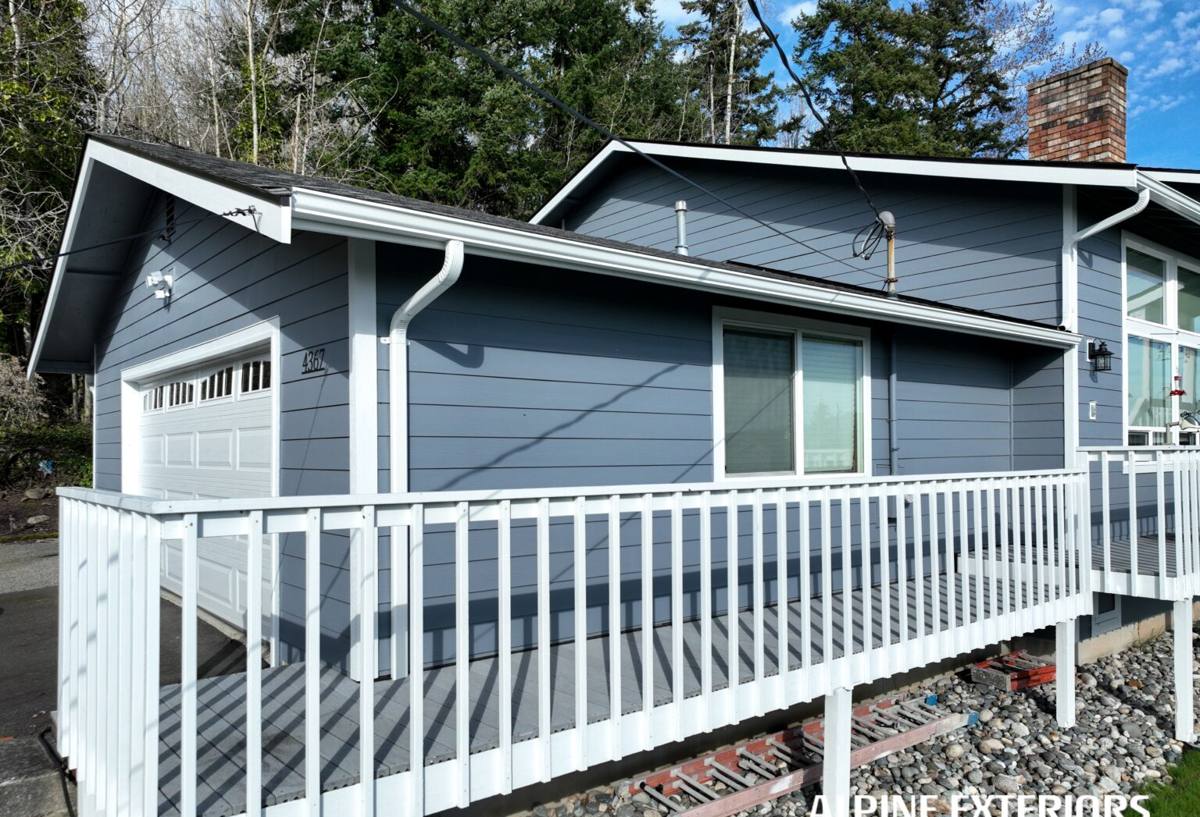
How the Local Climate Attacks a Shingle Roof
Three things drive most of the shingle problems we see on Cap Sante homes: salt air, driving rain, and a moss season that runs longer here than it does in drier parts of the state.
Salt Air and Metal Components
Salt air doesn't damage the asphalt shingle itself much, but it goes to work on everything metal on the roof — nails, flashing, drip edge, and vent hoods. Standard electro-galvanized fasteners and lower-grade flashing corrode faster in a marine environment, and a corroded nail head or a rusted-through flashing seam is exactly where a roof starts leaking. This is a material-selection issue as much as an installation issue, and it's the first thing we account for on any Cap Sante roof.
Driving Rain and Wind-Driven Water
Rain that comes in sideways off the water doesn't behave like rain falling straight down. It gets pushed up under shingle tabs, into exposed nail heads, and along flashing edges that would be fine in calmer conditions. Roofs near the water need tighter attention to lap direction, sealant placement, and flashing detail at every edge, valley, and penetration than roofs set back from open water.
Moss, Shade, and Moisture Retention
Anacortes' moss season stretches across most of the wetter months, and Cap Sante's mix of mature trees and marine humidity gives moss a long window to establish itself. Moss holds moisture directly against the shingle surface, which accelerates granule loss and, on north-facing or shaded slopes, can lift shingle edges enough to let water track underneath. A roof that looks fine from the ground can already have moss working under the tabs.
Choosing an Asphalt Shingle That Can Handle It
Not every asphalt shingle is built the same, and in a location like this, the product matters as much as the labor.
Algae-Resistant Granules
Most quality shingle lines now offer a granule treatment designed to resist the algae growth that causes dark streaking on roofs in wet, shaded climates. This doesn't stop moss outright, but it slows the algae staining that often shows up alongside moss and keeps the roof looking newer longer. On a shaded, water-adjacent lot like a typical Cap Sante property, we treat this as a standard spec, not an upgrade.
Wind Rating and Fastening Pattern
Open water means open wind exposure. We match the shingle's rated wind resistance and the manufacturer's specified nailing pattern to the site rather than defaulting to a builder-grade minimum. A shingle rated for higher wind uplift, installed with the correct number of fasteners in the correct zone of the shingle, is the difference between tabs that stay down in a winter blow and tabs that don't.
What a Correct Installation Involves in Cap Sante
A shingle roof is a system, not a single layer. Every component below the visible shingle has to be right for the roof to actually perform in this climate.
Tear-Off and Deck Inspection
We remove the old roofing down to the deck rather than layering over it. This lets us actually see the sheathing and catch soft spots, rot, or old moisture damage — common on shaded, moss-affected roofs — before it's covered by a new layer of shingles. Any damaged decking gets replaced, not skipped.
Underlayment and Water Barrier at Vulnerable Areas
A synthetic underlayment goes down across the full deck, with self-adhered ice-and-water barrier at eaves, valleys, and any low-slope transitions where wind-driven rain is most likely to find a way in. This is the layer that protects the house if wind ever pushes water past the shingles themselves, and it's not optional in a coastal Skagit County location.
Ventilation
Proper intake and exhaust ventilation keeps the underside of the roof deck dry and at a stable temperature. In a humid marine climate, poor ventilation traps moisture in the attic space, which shortens shingle life from underneath and can encourage mold on the deck itself — a problem that has nothing to do with the shingle brand and everything to do with airflow.
Flashing and Penetrations
Step flashing at walls and chimneys, proper valley metal, and correctly sealed pipe boots and vent penetrations are where most roof leaks actually start — not in the field of the shingles. We fabricate and install flashing to fit each roof rather than relying on universal parts, and we use fasteners and flashing rated for salt-air exposure.
Asphalt Shingle Options: A Quick Comparison
Homeowners in Cap Sante are usually choosing between three general grades of asphalt shingle. Here's how they generally compare for this climate:
| Shingle Type | Typical Lifespan | Wind Resistance | Best Fit For |
|---|---|---|---|
| 3-tab (economy) | 15-20 years | Lower rated, fewer fastening points | Budget-driven projects, less wind-exposed roofs |
| Architectural / dimensional | 25-30 years | Higher rated, standard for most homes now | Most Cap Sante homes near open water |
| Premium / designer | 30+ years, often with longer warranty | Highest rated in the shingle's line | Homes wanting a heavier, dimensional look plus maximum durability |
Cost differences between these grades are real but usually modest compared to the labor cost of doing the tear-off, decking, and flashing correctly — which is why we spend more time getting the installation right than upselling the shingle itself.
Our Process, Start to Finish
- Roof assessment: We walk the roof (not just look from the ground) to check the deck, existing ventilation, flashing condition, and moss or moisture damage.
- Written estimate: A clear scope and price, including any decking repair contingencies, before any work starts.
- Material selection: We recommend a shingle grade and accessory package suited to the home's exposure, not a one-size-fits-all default.
- Tear-off and deck prep: Full removal of old roofing, deck inspection, and repair of any compromised sheathing.
- Underlayment, flashing, and shingle installation: Installed to manufacturer spec with attention to the wind and moisture details specific to this location.
- Final walkthrough and cleanup: Site cleaned of debris and nails, roof reviewed with the homeowner before we consider the job done.
Maintaining a Shingle Roof Through Anacortes' Moss Season
A well-installed shingle roof still needs some ongoing attention in this climate. A little maintenance goes a long way toward protecting the investment:
- Keep gutters and valleys clear of needles and debris so water has somewhere to go
- Have moss growth treated and gently removed before it spreads under shingle edges
- Trim back overhanging branches to reduce shade and let roof planes dry out between rains
- Schedule a roof check after major windstorms, especially following winter blows off the water
- Have flashing and pipe boots inspected periodically, since sealant and rubber components age faster in salt air
Signs Your Cap Sante Roof May Need Attention Now
Some warning signs are easy to miss from ground level but matter a lot in this climate:
- Dark streaking or visible moss patches, particularly on shaded or north-facing slopes
- Granules collecting in gutters or at downspout outlets
- Curling, cupping, or lifted shingle tabs, especially near eaves and valleys
- Rust staining around flashing, vents, or nail heads
- Any soft spots or sagging noticed when walking the roof or attic
None of these guarantee a full replacement is needed, but each one is worth having looked at before the next round of driving rain finds its way in.
Why Hiring a Crew That Already Works in Cap Sante Matters
A roofer who mostly works drier, inland areas of the state can still do competent work, but they're less likely to default to salt-air-rated fasteners, wind-appropriate nailing patterns, and moss-conscious flashing details unless they're specifically thinking about it. A crew that regularly works Cap Sante and the rest of Anacortes' waterfront already treats those choices as standard practice, because we've seen what happens on roofs where they weren't. That familiarity with the specific conditions here — not just general roofing experience — is what actually protects the roof over its lifespan.
If you're weighing a repair, a re-roof, or just want an honest read on where your current roof stands, we're happy to take a look. Use the form below to request a free, no-pressure estimate for your Cap Sante home.