 Anacortes Siding
 Windows Built for the March Point Waterfront
March Point sits close enough to the water that its homes take a different kind of weather beating than houses further inland in Skagit County. The combination of salt-laden air off Fidalgo Bay and March's Point itself, near-constant onshore wind, and driving rain that comes in sideways rather than straight down means windows here fail in specific, predictable ways: seals break down early, aluminum and steel hardware corrodes, and frames that aren't properly flashed let water track behind the trim before anyone notices a problem. Custom windows done right for this area aren't just about looks. They're about choosing materials, seals, and installation details that hold up to what March Point actually throws at a house year-round.
We've worked on homes throughout this stretch of Anacortes long enough to know which failure points show up first and why. This page covers what that means for a real window project here — not a generic rundown of window styles, but what actually matters for a March Point install.
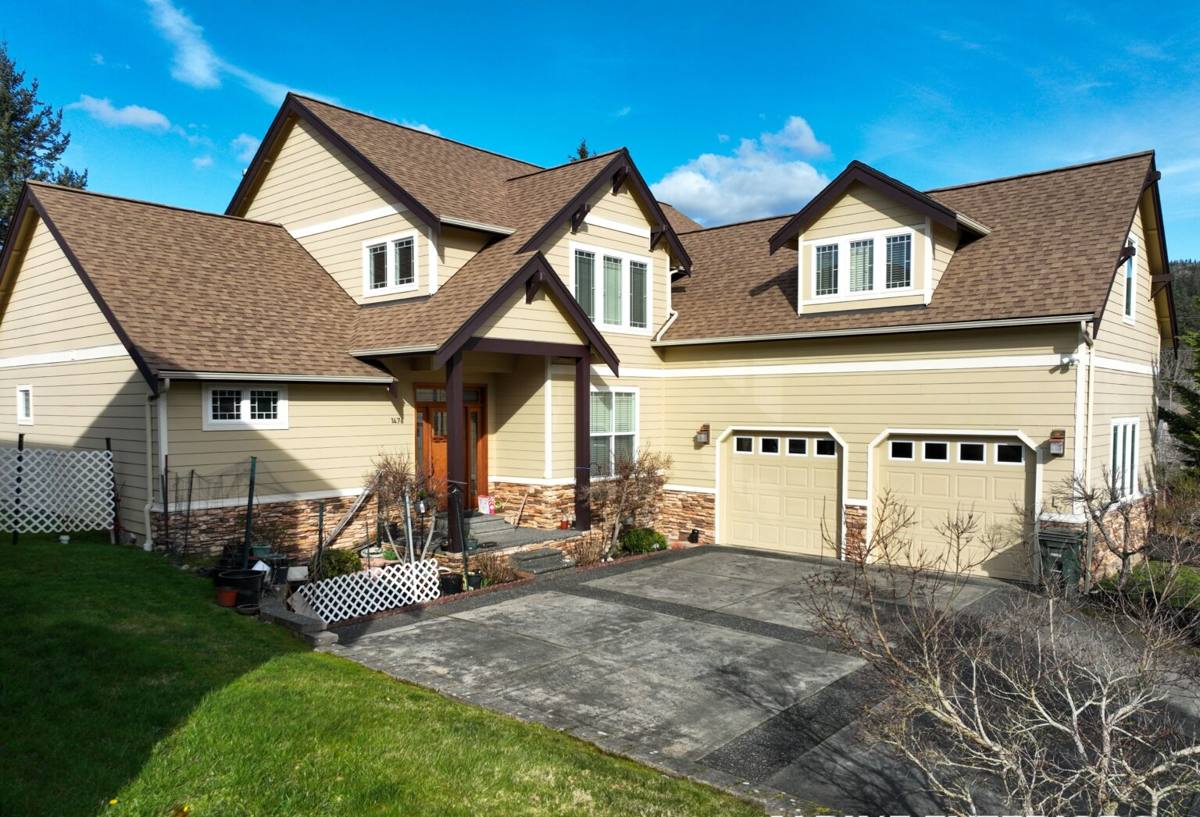
What Salt Air and Driving Rain Do to Windows Over Time
Every coastal property in Skagit County deals with moisture, but March Point's exposure to open water adds salt into the mix, and that changes the math on what materials last.
- Corrosion of hardware and fasteners: Cheaper hinges, cranks, and screws pit and seize up faster in salt-laden air. Once hardware corrodes, windows stop closing tight, and a window that doesn't close tight stops keeping water out.
- Seal and gasket breakdown: UV exposure combined with salt air accelerates the drying and cracking of rubber and vinyl seals. A seal that would last fifteen years inland might show cracking in eight to ten out here.
- Wood rot at the sill and jamb: Driving rain doesn't just hit the glass — it drives into any gap around the frame. Once water gets behind trim or under a sill pan that wasn't installed correctly, rot sets in quietly and isn't visible until the frame is soft.
- Moss and organic buildup: Skagit County's long moss season means anything horizontal — sills, exterior trim ledges, mulled window assemblies with flat tops — collects moisture-holding debris that keeps wood and finishes wet longer than they should be.
None of this means windows can't hold up in March Point. It means the frame material, hardware grade, and installation detailing have to be chosen with this exposure in mind, not treated as an afterthought.
Choosing the Right Frame Material for This Exposure
There's no single "best" window material for every house — it depends on the home's style, budget, and how directly it faces the water. Here's how the common options actually perform under March Point conditions.
| Frame Material | Salt Air Performance | Maintenance | Best Fit |
|---|---|---|---|
| Vinyl | Good — won't corrode or rust, resists salt exposure well | Low — occasional rinse to clear salt film | Most homes; strong value for direct water exposure |
| Fiberglass | Excellent — very stable, minimal expansion/contraction, holds paint well | Low | Homes wanting a painted, wood-like look with less upkeep |
| Wood (clad exterior) | Fair — the clad exterior protects the wood, but any breach in the cladding lets moisture in | Higher — interior wood needs periodic attention | Homes prioritizing interior wood aesthetics, set back from direct wind |
| Bare aluminum | Poor in this location — prone to pitting and corrosion in salt air over time | Higher — hardware and finish need more frequent attention | Not our first recommendation for direct waterfront exposure |
We'll walk through these trade-offs against your actual house — its orientation, how exposed it is to wind off the bay, and what you're trying to get out of the replacement — rather than pushing one material as a default.
Glass and Seal Packages Matter as Much as the Frame
A quality frame with a weak glass package still underperforms in this climate. For March Point, we look at:
- Dual or triple-pane insulated glass with argon fill for better thermal performance against the Pacific Northwest's cool, wet winters.
- Low-E coatings that help manage heat loss without darkening the view — worth it given how much natural light matters on overcast Skagit County days.
- Warm-edge spacer systems that resist seal failure better than older metal spacers, which corrode faster in salt air and lead to fogged glass between panes.
Why Installation Detail Matters More Than the Window Itself
A high-end window installed with poor flashing will leak. A modest window installed correctly, with proper flashing, sealant, and drainage, will outperform it. This is the part of the job that doesn't show up in a brochure but determines whether you're dealing with rot in five years.
What a Correct Installation Includes
- Removing old windows without damaging the surrounding wall assembly, and inspecting the opening for hidden rot or water damage before anything new goes in.
- Installing a proper sill pan to direct any water that gets past the window back out, rather than letting it pool and soak into framing.
- Correctly layered flashing tape integrated with the home's house wrap or weather barrier — installed in the right order (bottom to top, shingle-style) so water is always directed outward and down.
- Sealing with the right sealant for the substrate and gaps, not just caulking over everything and calling it done.
- Confirming the window is plumb, level, and square before final fastening — a slightly racked frame stresses seals and hardware from day one.
- Proper interior and exterior trim work that doesn't trap moisture against the frame.
Skipping or rushing any one of these steps is how a window that looks fine on installation day starts leaking two winters later — right around when Skagit County's rainy season really sets in.
Signs a March Point Home May Need Window Replacement
Some of these show up gradually, which is part of why they get missed until the damage is more extensive.
- Windows that are difficult to open, close, or lock — often a sign of hardware corrosion or a frame that's shifted.
- Visible condensation or fogging between panes, meaning the seal has failed and the insulating gas has escaped.
- Drafts you can feel near the frame even when the window is closed.
- Soft or discolored trim or sill wood, or paint that's bubbling near the window opening.
- Visible moss or persistent green staining on horizontal surfaces near or on the window.
- A noticeable jump in heating costs without another clear cause.
Our Process for a March Point Window Project
- On-site assessment. We look at each window opening individually — sun and wind exposure vary a lot across a single March Point property depending on which side faces the water.
- Material and glass selection. We walk through frame options and glass packages based on your home's exposure, style, and budget, not a one-size-fits-all recommendation.
- Written estimate. Clear scope, materials, and pricing before any work starts — no surprise add-ons once the job is underway.
- Removal and inspection. Old windows come out carefully so we can check the framing underneath for hidden moisture damage before it's covered back up.
- Installation with proper flashing and sealing. This is where most of the long-term performance is decided, and we don't cut corners on it.
- Final walkthrough. We check operation, seals, and trim with you before calling the job done.
Why Hire a Crew That Already Works in March Point
Window installation guidance in most manuals assumes fairly generic conditions. March Point isn't generic — the wind direction off the water, the salt exposure, and how long surfaces stay damp during Skagit County's wet months all affect material choices and installation sequencing in ways a crew unfamiliar with this specific stretch of Anacortes might not account for. A contractor who's done work on nearby homes already knows which details — sill pan design, hardware grade, sealant choice — actually hold up here versus which ones look fine on paper but fail early once salt air and driving rain get to them.
Cost Factors to Expect
Every project is different, but a few factors consistently move the price on a March Point window job more than they would elsewhere:
| Factor | Why It Matters Here |
|---|---|
| Frame material grade | Salt-resistant hardware and higher-grade vinyl or fiberglass cost more upfront but reduce early failure |
| Number of custom or non-standard sizes | Older or unique homes near the water often need custom-sized units rather than stock sizes |
| Extent of hidden damage found during removal | Rot repair at the sill or framing, if discovered, adds labor and material beyond the window itself |
| Glass package (dual vs. triple pane, Low-E, gas fill) | Better packages cost more but pay back in comfort and reduced seal failure over time |
| Number of windows and access | Multi-window projects have better per-unit economics than single replacements |
We'll give you honest, itemized numbers so you know exactly what you're paying for and why — including telling you when a cheaper option is genuinely fine for a given opening versus when it isn't worth the risk.
If you're noticing drafts, fogged glass, or trim trouble on a March Point home — or you're planning ahead for a renovation — we're happy to come take a look. Fill out the form below for a free, no-pressure estimate and we'll walk the property with you before recommending anything.