 Anacortes Siding
 Siding Built for Edison's Particular Kind of Wet
Edison sits low and open on the Skagit County flats, close enough to Samish Bay and the Salish Sea that salt-laden air is a daily fact of life, not an occasional nuisance. Add the driving rain that rolls in off the water, long stretches of overcast humidity, and a moss season that can stretch from fall through spring, and you get an exterior environment that punishes the wrong siding choice fast. Homes here don't fail because owners neglected them — they fail because the siding wasn't matched to what this specific stretch of Skagit County throws at a house year after year.
This page is about one thing: installing fiber cement siding correctly on Edison homes, and why that combination of product and process matters more here than it does twenty miles inland.
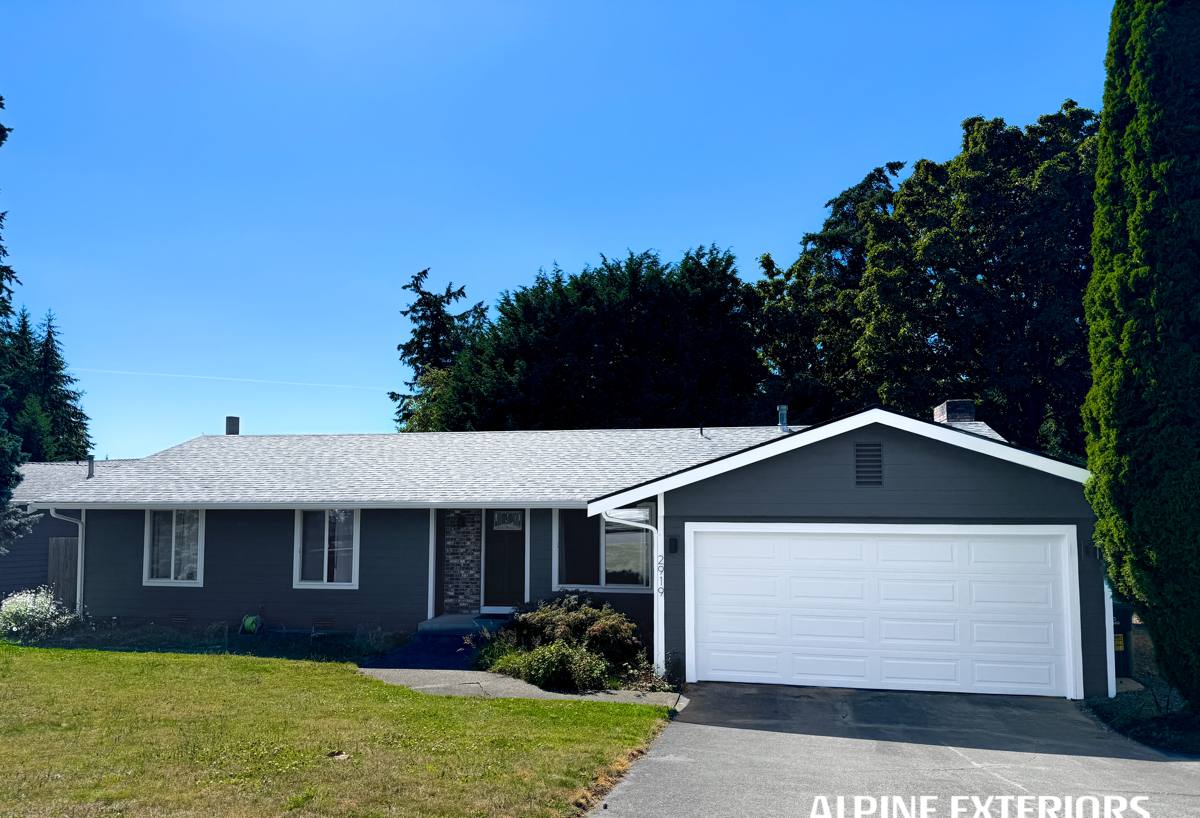
What Edison's Climate Actually Does to a House
Salt air
Airborne salt from the bay settles on every exterior surface and accelerates corrosion of fasteners, flashing, and trim. Materials that aren't engineered to resist it can show pitting, staining, or premature breakdown well before their expected lifespan — especially on the windward sides of a home.
Driving rain
Rain in this part of Skagit County rarely falls straight down. Wind off the water pushes it sideways into wall assemblies, which means siding, flashing, and water-resistive barriers all have to work together, not just individually. A product that's only rated for "typical" rain exposure is being asked to do a job it wasn't built for.
Moss and sustained moisture
Low, shaded, and often still air around Edison properties — many bordered by trees, hedgerows, or farmland windbreaks — creates ideal conditions for moss and algae growth on north-facing and shaded walls. Siding that absorbs moisture or has a finish that doesn't resist organic growth stays damp longer, which shortens its useful life and makes the home look tired faster.
Why Fiber Cement Fits This Climate
Fiber cement is a mix of cement, sand, and cellulose fiber, engineered specifically to hold its shape and finish under moisture cycling that would warp, rot, or degrade wood-based products. Unlike vinyl, it doesn't get brittle in cold snaps or soften and warp under sustained rain exposure. Unlike untreated wood or primed spruce, it doesn't rely on paint alone to keep water out of the substrate. And because it's non-combustible, it adds a layer of fire resistance that matters as much near dry summer field edges as it does near neighbors' chimneys in winter.
We install only James Hardie fiber cement siding — not LP SmartSide, not vinyl, not cedar, not generic fiber cement alternatives. That's a deliberate standard, not a sales preference. Hardie's ColorPlus factory-applied finish is baked on and warranted against fading and peeling in a way field-applied paint systems on other materials can't match, which matters directly in a salt-air, high-UV-reflection coastal environment where finish failure is usually the first sign of trouble.
Product Comparison for Edison's Exposure
| Factor | James Hardie Fiber Cement | Vinyl Siding | Untreated/Primed Wood |
|---|---|---|---|
| Moisture resistance | Engineered for wet climates; doesn't rot or absorb water into the substrate | Sheds water but can warp or buckle under heat/cold cycling | Absorbs moisture readily; prone to rot without diligent upkeep |
| Salt air performance | Stable under salt exposure when installed with corrosion-resistant fasteners | Generally stable but can fade and become brittle | Finish breaks down faster; exposed wood is vulnerable |
| Moss/algae resistance | Factory finish resists organic growth better than field-applied paint | Can harbor mildew in seams and laps | Porous surface is a common moss host |
| Fire resistance | Non-combustible | Combustible, can melt or deform near heat | Combustible |
| Finish longevity | Factory ColorPlus finish, long transferable warranty | Color is through-body but can chalk/fade | Field paint typically needs recoating every few years |
What Correct Installation Looks Like on an Edison Home
Fiber cement siding is only as good as the assembly it's installed into. On homes exposed to Edison's combination of salt air and driving rain, a few details are non-negotiable:
- Proper water-resistive barrier and flashing: Every window, door, and penetration needs flashing detailed to shed water outward, not trap it behind the cladding.
- Correct rainscreen or drainage gap: Where conditions call for it, a drainage plane lets incidental moisture escape instead of sitting against the back of the siding.
- Corrosion-resistant fasteners: Standard fasteners can corrode faster in salt air; the right fastener spec protects both the siding and the finish around each nail head.
- Manufacturer-spec clearances: Proper gaps at grade, roofline, and decks keep splashback and pooled water away from the bottom courses, which is where most siding failures actually start.
- Sealed and primed cut edges: Every field cut needs to be treated per Hardie's installation instructions — an unsealed cut edge is a moisture entry point waiting to happen.
Skipping any one of these doesn't show up on day one. It shows up two or three winters later as staining, soft trim, or a finish that's failing faster than it should — which is exactly the kind of problem that's expensive to fix after the fact and cheap to prevent during installation.
Our Process for Edison Projects
1. On-site assessment
We walk the exterior with you, note which walls take the most wind-driven rain and which stay shaded and moss-prone, and check the current condition of trim, flashing, and any water damage already in progress.
2. Product and line selection
We help you choose the right Hardie board profile, texture, and ColorPlus color for the home, factoring in sun exposure and how the color will read against Edison's often gray, overcast sky.
3. Tear-off and substrate check
Old siding comes off, and we inspect sheathing underneath for hidden moisture damage before anything new goes up — this is where problems from a prior installation often surface.
4. Weather barrier and flashing detail
We install or verify the water-resistive barrier and flash every opening and penetration to manufacturer spec, built for the sideways rain this area sees.
5. Installation to manufacturer spec
Fastener type, spacing, clearances, and cut-edge treatment all follow James Hardie's published installation guidelines — the same guidelines that back the product warranty.
6. Final walkthrough
We review the finished work with you, including care and maintenance specific to a moss-season climate.
Cost Factors for Edison Homeowners
| Factor | Why It Matters Here |
|---|---|
| Home size and wall complexity | More corners, dormers, and trim details mean more flashing and cutting labor |
| Current siding removal | Tear-off and disposal of old material, plus any sheathing repair from prior moisture damage |
| Board profile and texture | Lap width and texture (smooth vs. cedar-grain) affect material cost and labor time |
| ColorPlus color selection | Standard vs. premium color palettes carry different material pricing |
| Access and site conditions | Rural lots, outbuildings, and equipment access can affect setup and labor time |
| Flashing and drainage upgrades | Homes with a history of moisture issues may need added flashing or drainage detailing |
We give firm, itemized estimates after the on-site assessment rather than ballpark numbers over the phone — the wall complexity and current condition of an Edison home affect the price more than square footage alone.
Living With Fiber Cement Siding in a Moss-Prone Climate
Even the right product benefits from a little homeowner attention in this climate. A periodic rinse of shaded, moss-prone walls keeps organic growth from taking hold, and keeping gutters clear reduces the water sheeting down the wall face during heavy rain events. Trimming back vegetation that keeps a wall shaded and damp also helps the siding — and its finish — last as long as it's built to. None of this is heavy maintenance; it's the kind of occasional upkeep that pays off precisely because the underlying material and installation were done right the first time.
Why It Matters That We Already Work in Edison
A crew that only occasionally works this stretch of Skagit County can miss the details that matter here — which walls actually take the worst of the wind-driven rain, how shaded a lot really stays through the wet months, or how salt air has already started affecting the trim and fasteners on a home. A crew that works this area regularly builds those judgment calls into every estimate and every installation detail, from flashing choices to fastener selection, without having to relearn the climate on your project.
Choosing a Siding Contractor for Your Edison Home
- Ask which specific siding manufacturer and product line they install — and whether they install more than one brand or system.
- Confirm they follow written manufacturer installation specs, not just "how we've always done it."
- Ask how they detail flashing and drainage for wind-driven rain exposure.
- Ask about fastener type and whether it's suited for salt-air exposure.
- Get an itemized, written estimate — not a verbal ballpark.
- Ask what the manufacturer warranty covers and whether it's transferable if you sell the home.
If you're weighing a siding replacement or repair on a home in or near Edison, we're happy to walk the property with you and give you a straight, no-pressure estimate — including an honest read on what your current siding is telling you about the walls behind it.