 Anacortes Siding
 Fiber Cement Siding Built for Sedro-Woolley's Weather
Sedro-Woolley sits inland from the coast but still gets the full Skagit County weather package: long stretches of low-intensity rain, humid air moving up the valley off Puget Sound, heavy fog in the shoulder seasons, and a moss season that can run from October well into spring. Siding here doesn't fail from one dramatic storm. It fails slowly, from years of moisture sitting against the wrong material, or from a coating that couldn't keep up with the freeze-thaw and UV cycle this region puts it through. Our crew installs James Hardie fiber cement siding for homes in Sedro-Woolley because it's engineered for exactly this kind of climate, not a warmer, drier one that happens to get some rain.
This page is specific to fiber cement siding work in Sedro-Woolley — what the local conditions actually demand, what a correct installation looks like, and how our process runs from first estimate to final walkthrough.
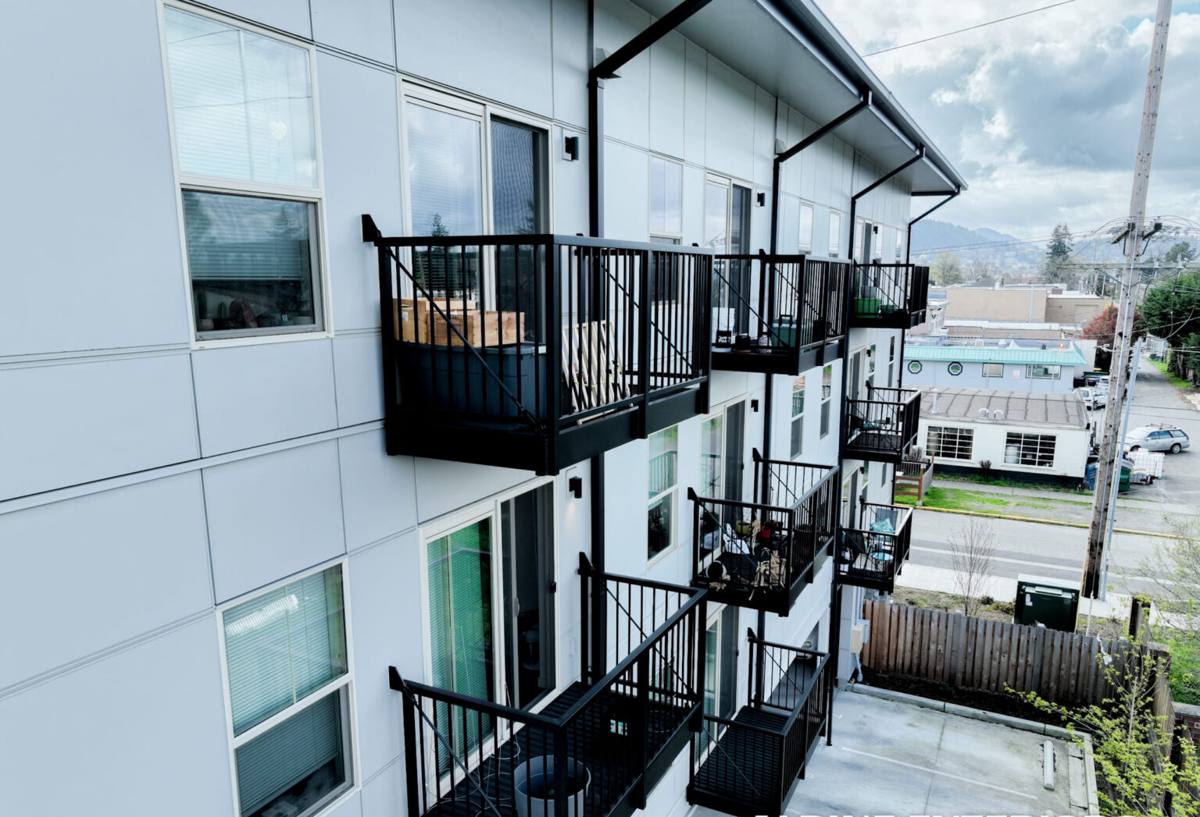
What Sedro-Woolley Homes Are Actually Up Against
Before talking about product, it helps to be honest about what's working against a home's exterior here year-round:
- Persistent moisture — not flash flooding, but weeks of damp air and drizzle that keep siding surfaces wet longer than in drier climates.
- Moss and algae growth — shaded north and east walls, tree cover, and gutter overspray all create the damp, low-light conditions moss needs to take hold.
- Temperature swings — cold, wet winters followed by warm, sometimes smoky summers stress any material that expands and contracts differently than the wall behind it.
- Wind-driven rain — storms moving through the valley push water sideways into laps, corners, and trim joints, not just straight down.
None of this is unusual for western Washington, but it's a longer, wetter exposure window than a lot of siding products were ever designed around. Wood-based and vinyl products in particular show their weaknesses on this kind of timeline — not in year one, but by year eight or ten.
Why We Only Install James Hardie Fiber Cement
Our crew doesn't install LP SmartSide, vinyl, Cemplank, Allura, or bare cedar or spruce siding. That's not a marketing position — it's a decision based on what holds up in Skagit County's specific mix of moisture, moss, and temperature cycling. Fiber cement, made from cement, sand, and cellulose fibers, doesn't absorb and swell the way wood-based products can, and it doesn't get brittle and crack the way vinyl does in a cold snap. James Hardie is the fiber cement manufacturer we've standardized on, for a few concrete reasons.
Climate-Engineered Product Lines
James Hardie designs its siding in regional "HZ" formulations matched to local weather patterns rather than shipping one blend nationwide. The HZ5 line used in this region is built around the freeze-thaw cycles and sustained moisture exposure that define a Pacific Northwest winter. That's a meaningful difference from a generic fiber cement product engineered for a drier or more uniform climate.
ColorPlus Factory Finish
Most of the fiber cement siding we install uses Hardie's ColorPlus finish — baked on in a controlled factory setting rather than field-painted on site. Field-applied paint on new siding is only as good as the weather conditions and prep work on the day it's sprayed, and it's the first thing to fade or peel when it's up against year-round PNW moisture. A factory finish is more consistent and holds color longer under UV and rain exposure, which matters on homes that get this much overcast, moisture-laden weather.
Non-Combustible Material
Fiber cement doesn't burn. That's increasingly relevant in Washington as wildfire smoke and ember exposure become a summer reality even west of the Cascades, and it's one more reason we don't put wood-based siding on homes we're standing behind.
What a Correct Fiber Cement Installation Actually Involves
Fiber cement is a forgiving material in terms of durability, but it is not a forgiving material to install wrong. Most of the siding failures we get called out to inspect trace back to installation shortcuts, not the product itself. A correct install in a climate like Sedro-Woolley's includes:
- A weather-resistive barrier (house wrap) installed and lapped correctly before any siding goes up.
- Proper flashing at every window, door, and roofline intersection, so water is directed out and away from the wall assembly.
- Correct fastener type, spacing, and placement — Hardie specifies exact nailing patterns, and skipping them affects both warranty coverage and long-term performance.
- Minimum clearance between the bottom of the siding and grade, decks, and roof surfaces, so splash-back and standing moisture can't wick into the material.
- Caulking only where Hardie's own installation instructions call for it — over-caulking traps moisture just as often as under-caulking lets it in.
- Correct starter strip and butt joint treatment, so lap lines stay straight and joints stay sealed against driving rain.
Every one of these steps is spelled out in James Hardie's published installation guidelines, and every one of them is easy to shortcut on a job where the crew is moving fast. It's also worth noting that Hardie's transferable warranty depends on the product being installed to those specifications — a poor install can void coverage even on a good product.
Our Process for Sedro-Woolley Siding Projects
The steps below are the same ones we walk every Sedro-Woolley homeowner through before a single board goes up:
- On-site assessment. We look at the existing siding, sheathing condition, moisture staining, moss patterns, and any problem areas (north walls, roof-to-wall intersections, low clearance spots) specific to that property.
- Product and color selection. We walk through Hardie's plank, panel, and trim options and ColorPlus color palette so the choice fits the home and neighborhood.
- Written estimate. A clear scope of work and price — no vague allowances, no pressure to sign same-day.
- Prep and moisture barrier work. Removal of old siding where needed, sheathing repair if rot or damage is found, and correct house wrap installation before anything else happens.
- Installation to Hardie spec. Fastening, flashing, and clearances done to the manufacturer's published requirements, not just "how we've always done it."
- Final walkthrough. We go over the finished job with the homeowner before calling it complete.
Fiber Cement vs. Other Siding Options for This Climate
Homeowners comparing bids often see very different materials quoted side by side. Here's an honest breakdown of how the common options actually perform under Skagit County's rain-and-moss conditions:
| Factor | James Hardie Fiber Cement | Vinyl | Wood-Based (LP/Cedar) |
|---|---|---|---|
| Moisture absorption | Very low — cement-based, doesn't swell | Low, but seams and panels can trap water behind them | Higher — wood fiber and solid wood both absorb moisture |
| Moss/algae resistance | Good; surface doesn't feed organic growth the way wood does | Moderate — moss grows on the surface film, not the material | Lower — organic material is a food source for moss and algae |
| Finish longevity | ColorPlus factory finish rated for long-term color retention | Color molded in, but fades and chalks over time | Field-applied paint/stain, needs recoating on a shorter cycle |
| Fire resistance | Non-combustible | Melts/deforms under heat | Combustible |
| Typical warranty | Long-term, transferable manufacturer warranty when installed to spec | Varies widely by manufacturer | Varies; often shorter on the coating/finish |
Vinyl and wood-based products aren't inherently worthless materials — vinyl is inexpensive and wood has a look some homeowners want. But given what this climate does to a wall assembly over ten or twenty years, we've made the call to only stand behind fiber cement, and specifically James Hardie's engineered lines.
Maintenance in a Moss-Prone, Rain-Heavy Climate
Fiber cement is low-maintenance, not no-maintenance. A few habits go a long way toward protecting the investment on a Sedro-Woolley home:
- Keep gutters clear so overflow doesn't run down the siding face and feed moss growth.
- Trim back vegetation and tree limbs that shade walls and keep them damp longer after rain.
- Rinse siding (garden hose pressure, not a pressure washer aimed directly at seams) once or twice a year to knock back surface moss and grime buildup.
- Check caulking at trim and penetrations every year or two, and have any cracked or missing caulk addressed before winter.
- Watch for staining or discoloration near ground level, which can signal splash-back or a clearance issue worth fixing early.
None of this is heavy upkeep, but it's more relevant here than in a drier climate, simply because the conditions that grow moss and hold moisture are present most of the year.
Why Hiring a Crew That Already Works in Sedro-Woolley Matters
Fiber cement installation quality depends heavily on details that are easy to get wrong from a general contractor's playbook written for a different climate. A crew that regularly works Sedro-Woolley and the rest of Skagit County already knows which wall orientations tend to hold moisture, how far to plan around the rain windows in the local forecast, and what clearance and flashing details actually matter on homes built to this region's older construction standards. That local pattern recognition is the difference between a siding job that looks right on install day and one that still performs correctly in year fifteen.
It also means fewer surprises during the project itself — knowing realistic weather windows for tear-off and house wrap installation, and not scheduling moisture-sensitive steps into a week the region's forecast makes questionable.
Get a Straight Answer for Your Home
If your Sedro-Woolley home has siding that's staining, holding moss, or just past its realistic service life, we're happy to take a look and give you a straightforward assessment — no pressure, no inflated estimate to scare you into a decision. Request a free estimate using the form below and we'll walk the property with you in person.