 Anacortes Siding
 Ship Harbor Windows Face a Tougher Job Than Most
Ship Harbor sits close enough to open water that its homes deal with a different set of stresses than houses further inland in Skagit County. Windows here are hit by salt-laden air, wind-driven rain that comes in sideways rather than straight down, and long stretches of damp, low-sun weather that keeps every exterior surface wet longer than it should be. A window that would perform fine in a sheltered inland neighborhood can fail early here if it wasn't built, sealed, and installed with this specific exposure in mind.
This page covers what custom window work actually looks like for a Ship Harbor property: what the climate does to windows over time, what a correct installation involves, how to think about material choices, and what our process looks like from first estimate to final walkthrough.
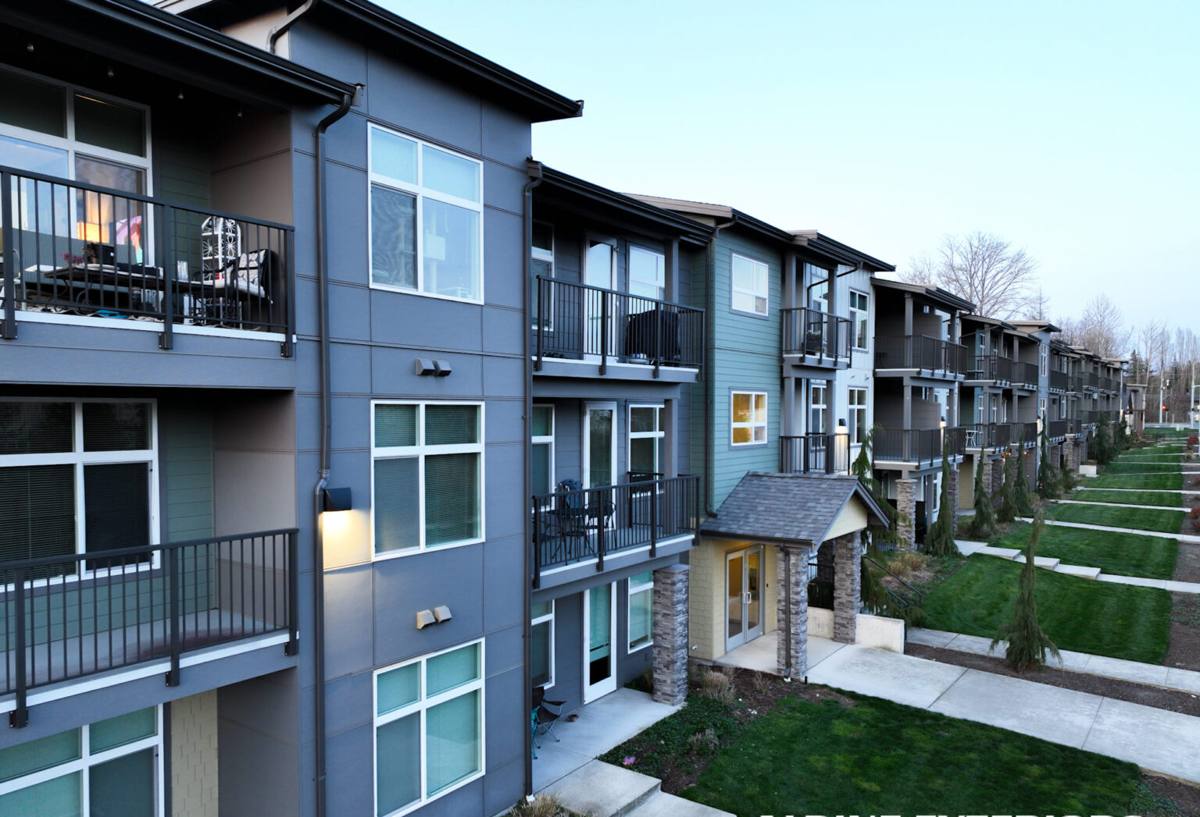
What Salt Air, Rain, and Moss Actually Do to Windows
Salt Air
Airborne salt is corrosive to exposed metal hardware — hinges, locks, cranks, and especially aluminum or poorly coated steel components. Over years, salt exposure can pit finishes, stiffen moving parts, and accelerate corrosion on fasteners that were never rated for a marine-adjacent environment. It also breaks down some sealants and finishes faster than a standard product warranty assumes, since most window warranties are written around general suburban exposure, not shoreline conditions.
Driving Rain
Wind-driven rain doesn't just fall on a window — it gets pushed against it and can work its way into any gap in the flashing, trim, or sealant. This is less about the glass itself and more about everything around it: the sill, the head flashing, the jambs, and how the window ties into the building's water-resistive barrier. A window that's watertight in a still-air test can still leak in a real Ship Harbor storm if the surrounding flashing detail was rushed.
Moss and Prolonged Dampness
Skagit County's long wet season means moss and algae get a real head start on any surface that stays damp — window sills, trim, and the wood or composite material around older frames. Moss holds moisture against the surface it's growing on, which speeds up rot in wood components and can trap water against seals long after the rain has stopped. It's a slower threat than a leak, but it's a steady one, and it's specific to this kind of climate.
Signs a Ship Harbor Home Needs Window Attention
- Fogging or a hazy film between the panes of a double- or triple-pane unit — this means the seal has failed and the insulating gas or airspace is compromised
- Soft or discolored wood at the sill or lower frame, especially on window walls that face prevailing wind and rain
- Difficulty opening, closing, or locking a window that used to operate smoothly — often a sign of corroded or swollen hardware
- Visible moss or dark streaking building up on sills, trim, or the wall just below a window
- Noticeable drafts or cold spots near the frame in winter, even when the window is fully closed and latched
- Peeling or bubbling paint on interior trim near a window, which usually points to moisture getting past the exterior seal
Any one of these on its own might not mean immediate failure, but in this climate they tend to compound quickly. A soft sill left alone for another wet season becomes a much bigger repair.
What a Correct Custom Window Job Actually Involves
It Starts Before the Window Ever Arrives
Custom window work means the unit is sized and specified for the actual rough opening and exposure of your home — not a generic stock size. For Ship Harbor homes, that includes thinking through which elevations take the worst of the wind and rain, and whether the existing opening has any hidden rot or flashing problems that need to be addressed before a new window goes in. Installing a good window into a compromised opening just hides the real problem behind new trim.
Flashing and Weatherproofing Detail
This is the part that determines whether a window leaks in five years or twenty. Proper installation means integrating the window with the wall's water-resistive barrier using correctly lapped flashing tape and, where called for, a sloped sill pan that directs any water that does get past the frame back out instead of into the wall cavity. In a driving-rain environment like this one, skipping or shortcutting this step is the single biggest cause of window-related water damage we see.
Sealing and Insulation
Gaps around the window frame get filled with low-expansion foam or backer rod and sealant rated for exterior use — never just caulk smeared over a visible gap. This controls both drafts and moisture intrusion, and it matters more here than in a drier climate because any missed gap becomes a slow entry point for both wind-driven rain and salt-laden condensation.
Hardware and Finish Choices
Given the corrosion risk from salt air, hardware finish matters. We favor corrosion-resistant hardware options and finishes suited to coastal exposure over standard interior-grade hardware, and we're upfront when a manufacturer's standard package isn't the best fit for a shoreline-adjacent home — that's a maintenance and longevity call, not a knock on any one brand.
Choosing Window Materials for This Climate
There's no single "best" window material for every home — the right choice depends on your home's style, budget, and how directly it faces the weather. Here's how the common options generally hold up under salt air, sustained rain, and a long moss season.
| Material | Salt Air Resistance | Moisture Behavior | Maintenance |
|---|---|---|---|
| Vinyl | Very good — won't corrode or rust | Handles moisture well, doesn't rot | Low; occasional cleaning |
| Fiberglass | Excellent — highly stable in coastal exposure | Very stable, minimal expansion/contraction | Low |
| Wood | Weakest without diligent upkeep | Prone to rot and moss growth if finish fails | High; regular refinishing needed |
| Wood-Clad (wood interior, metal/composite exterior) | Good on the exterior face; interior wood still needs protection | Better than solid wood if cladding stays intact | Moderate |
| Aluminum | Poor unless specifically coated for marine use | Can corrode and conduct cold without thermal breaks | Moderate to high |
For most Ship Harbor homes, vinyl or fiberglass frames offer the best balance of weather resistance and manageable upkeep. Wood and wood-clad windows can still be the right call for matching an existing home's character, but we'll be honest that they come with a real maintenance commitment in this climate — that's a trade-off worth deciding on up front, not discovering three years in.
Glass and Energy Performance for Marine Exposure
Beyond the frame, the glass package affects both comfort and durability. Double-pane units with an inert gas fill (typically argon) and a low-emissivity coating are the standard for this region — they cut down on heat loss during Skagit County's long, damp winters and reduce condensation risk on the interior pane. Triple-pane glass is worth considering on elevations that take the worst wind and cold, though it adds weight and cost. What matters most is that the seal itself is rated for high-humidity, high-exposure environments, since a failed seal is one of the most common warranty claims we see on windows near the water.
Our Process, Start to Finish
- On-site assessment — we look at each window opening individually, not just the glass. That includes checking sill condition, existing flashing, and any signs of past water intrusion.
- Honest scope and estimate — you get a clear breakdown of what's actually needed, including whether any rot repair or flashing correction is required before new windows go in.
- Material and hardware selection — we walk through frame material, glass package, and hardware options suited to this specific exposure, with real trade-offs explained.
- Removal and opening prep — old units are removed carefully, and any compromised framing, sheathing, or flashing is addressed before the new window is set.
- Installation with proper flashing and sealing — this is where most of the long-term performance is determined, and we don't shortcut it.
- Final walkthrough — we check operation, seals, and finish work with you before calling the job done.
Maintaining Custom Windows in a Ship Harbor Microclimate
- Rinse salt residue off exterior frames and glass periodically, especially after storms with onshore wind
- Clear moss and debris from sills and tracks before it has a chance to hold moisture against the frame
- Check weep holes on vinyl and fiberglass units to make sure they're not blocked, since these let trapped water drain back out
- Lubricate hardware on operable windows on a regular schedule to prevent salt-related stiffness or corrosion
- Inspect exterior caulking and sealant annually and touch up any cracked or separated sections before the wet season sets in
- Repaint or refinish wood components on the schedule your finish manufacturer recommends — don't stretch it out in this climate
Why a Locally Experienced Crew Matters Here
Custom window installation isn't just a product choice — it's a set of judgment calls about flashing details, material selection, and hardware that only make sense in context of the actual exposure a home faces. A crew that regularly works properties in and around Ship Harbor already knows what wind-driven rain does to a poorly flashed opening, what a few seasons of moss growth looks like on an unmaintained sill, and which hardware finishes actually hold up against salt air rather than just being sold as if they will. That local pattern recognition is what keeps a window installation from becoming a callback in three years.
It also means realistic timelines and scheduling around this area's weather windows, so installation happens when conditions actually allow for proper sealing and curing — rushing a weatherproofing detail during a wet stretch is how corners get cut, intentionally or not.
Get a Straightforward Estimate
If you're dealing with foggy panes, drafty frames, moss buildup around your sills, or you're simply planning ahead for a home near the water, we're happy to take a look and give you an honest read on what your windows actually need. Use the form below to request a free, no-pressure estimate for your Ship Harbor home.