 Anacortes Siding
 Building a Deck for Similk Beach's Marine Climate
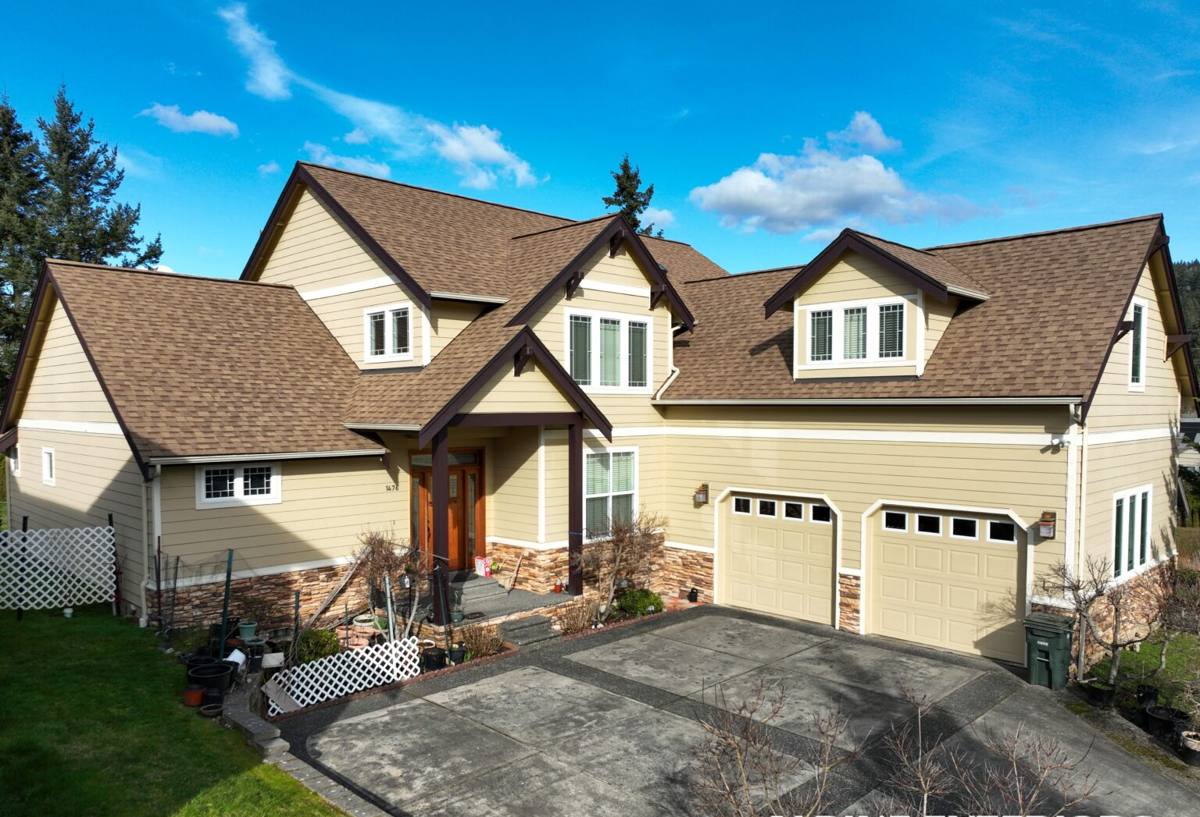
Similk Beach sits close enough to the water that homes here deal with a different set of conditions than a deck going in a few miles inland. Salt-laden air moves through the neighborhood, driving rain comes in sideways off Puget Sound during winter storms, and the shaded, damp stretches of the property stay wet long after the rest of Skagit County has dried out. A deck built here has to handle all three at once, year after year, without turning into a maintenance headache or a safety issue.
None of that means a deck in Similk Beach needs to look different from any other deck. It means the choices underneath the surface — fasteners, framing, drainage, and material selection — need to be made with this specific site in mind rather than copied from a generic build sheet.
What Makes This Site Different From an Inland Deck Build
Three conditions show up over and over when we're working near the water in Anacortes:
- Salt air corrosion — airborne salt accelerates rust on any hardware that isn't rated for coastal exposure, including screws, joist hangers, and railing brackets.
- Driving rain — wind-blown rain off the Sound hits siding and deck ledger connections at an angle, not just straight down, which means flashing and water management details matter more than they would on a sheltered inland lot.
- Extended moss and moisture season — shaded or north-facing sections of a deck can stay damp for weeks at a time through fall and winter, which is exactly the environment moss, algae, and wood rot need to take hold.
A deck that ignores these factors might look fine for the first year or two. The problems tend to show up later — soft framing, streaked and slick decking, rusted fasteners bleeding orange stains into the boards — and by then the fixes cost more than doing it right the first time.
Choosing Decking Material for Salt Air and Moss
There's no single "correct" decking material for every home in Similk Beach — it depends on budget, how much upkeep you want to do, and how exposed the deck is to sun, shade, and salt spray. What matters is picking with eyes open, not by default.
Wood decking
Cedar and pressure-treated fir remain popular for their natural look and lower upfront cost. Both need regular cleaning and refinishing to hold up against moss and moisture — skip that maintenance in this climate and you'll see graying, splintering, and mildew staining faster than you would inland.
Composite decking
Composite boards resist moisture absorption and won't splinter or rot, which is a real advantage in a damp, shaded yard. They still need periodic cleaning, since algae and moss can grow on the surface of any decking material that stays wet, composite included. The trade-off is a higher material cost up front in exchange for less refinishing work over the life of the deck.
PVC decking
Fully synthetic PVC boards handle moisture the best of the three and are the least prone to mold and moss growth, but they carry the highest material cost and a different look and feel underfoot than wood or wood-composite products.
| Material | Moisture Resistance | Moss/Algae Resistance | Maintenance |
|---|---|---|---|
| Cedar / pressure-treated wood | Fair — absorbs moisture | Low without upkeep | Annual cleaning and refinishing |
| Wood-composite | Good | Good with periodic washing | Occasional cleaning |
| PVC / synthetic | Excellent | Excellent | Low — occasional rinse |
The Structure Underneath: Framing, Fasteners, and Footings
Decking gets the attention because it's what you see and stand on, but the framing underneath is what determines whether the deck is still solid in fifteen years. In a salt-air environment, we treat the substructure with the same seriousness as the surface.
Standard hot-dip galvanized hardware can hold up fine inland, but closer to the water it corrodes faster than it should. For decks in this area, we favor stainless steel or heavy-coated, coastal-rated fasteners and joist hangers specifically because they resist that accelerated rust. It costs more than using whatever hardware is on the shelf, but replacing rusted-out connectors under a finished deck is a much bigger job than installing the right ones the first time.
Joist tape or a comparable flashing membrane over the top of each joist is another detail that matters more here than on a dry, sheltered lot — it keeps standing water from sitting directly on cut lumber and working its way into the wood grain, which is one of the more common causes of early joist rot on Pacific Northwest decks.
Footings need to be sized and set below frost depth per Skagit County code, and on sites with poor drainage or soft soil — common in low-lying areas near the water — we pay extra attention to footing placement so the deck isn't settling unevenly a few years down the road.
Moss, Drainage, and Designing for the Wet Season
Moss doesn't grow because a deck is poorly built — it grows because water and organic debris are allowed to sit in one place. Good design fights that from the start rather than leaving it as a cleaning problem.
Board spacing and airflow
Proper gapping between deck boards lets water drain through instead of pooling on the surface, and it lets air move underneath the deck to help everything dry out between rain events, which are frequent through a typical Anacortes winter.
Slope
A slight, consistent slope away from the house keeps water moving off the deck surface instead of collecting near the ledger board — one of the most common spots for hidden rot on older decks in this region.
Shade and exposure
Decks with mature trees or the north side of the house overhead stay damp longer and will always need more frequent cleaning, regardless of material. We'll flag those zones during the design conversation so there are no surprises about upkeep later.
Railings and Hardware That Won't Let You Down
Railings take a lot of abuse near the water — they're handled constantly, exposed to salt spray, and often the first thing to show rust streaks or loosen up if the wrong hardware was used. We build railing systems with corrosion-resistant fasteners and connectors sized to current code requirements for guard height and baluster spacing, and we check that every post connection is solid, not just cosmetically finished.
Cable rail and metal picket systems have become popular for the open sightlines they give toward the water, but metal components need to be genuinely rated for coastal exposure — not just labeled "weather resistant" — or they'll corrode faster than the rest of the deck around them.
Our Deck Building Process From Estimate to Finished Deck
The process is straightforward, but we don't skip steps just to move faster:
- On-site assessment — we walk the property, note sun/shade exposure, existing drainage patterns, and any access or slope challenges specific to the lot.
- Design and material selection — we talk through decking material, railing style, and layout based on how you'll actually use the deck and how much maintenance you want to take on.
- Permitting — we handle the permit application with Skagit County or the City of Anacortes, whichever has jurisdiction over the property.
- Footings and framing — footings are set to code depth, framing goes in with coastal-rated hardware and protective flashing.
- Decking and railing installation — boards and railings are installed with proper spacing, fastening, and finish work.
- Final walkthrough — we go over the finished deck together, including basic maintenance guidance specific to the material you chose.
Permits and Site Considerations Near the Water
Deck permitting in this part of Skagit County depends on the property's exact location and jurisdiction — some parcels near Similk Beach fall under Anacortes city permitting, others under the county, and waterfront-adjacent or environmentally sensitive lots can carry additional setback or shoreline review requirements. We pull the correct permit for your specific address and handle that process as part of the job rather than leaving it for the homeowner to sort out separately.
Before we finalize a design, here's what we confirm for every Similk Beach deck project:
- Jurisdiction (city vs. county) and applicable setback rules
- Frost-depth footing requirements for the specific soil conditions on site
- Guard rail height and spacing per current building code
- Ledger board attachment and flashing detail against the existing structure
- Drainage path for water shed off the new deck surface
Why Hire a Crew That Already Works This Neighborhood
A deck built without accounting for salt air, driving rain, and a long moss season isn't necessarily a bad deck — it's just a deck built for the wrong climate. The difference shows up two, five, and ten years in, not on day one. We build decks throughout Anacortes and the surrounding Skagit County waterfront, and the hardware, framing, and material recommendations we use in Similk Beach reflect what actually holds up in this specific environment, not a generalized approach pulled from a drier region.
That local experience also means fewer surprises during the permitting process, since we already know which jurisdiction typically handles a given property and what inspectors in this area look for.
Get a Straightforward Estimate
If you're planning a new deck or replacing one that hasn't held up to the weather here, we're happy to walk the property, talk through material options honestly — including the trade-offs, not just the upsides — and give you a clear estimate. There's no pressure and no obligation; use the form below to get started.