 Anacortes Siding
 Roofing on Similk Beach: What the Location Demands
Similk Beach sits along the water on Fidalgo Island, close enough to Similk Bay and the Swinomish channel that homes here deal with a different set of roofing problems than houses a few miles inland in Anacortes proper. The combination of open water exposure, thick evergreen tree cover, and Skagit County's long wet season means a roof out here works harder than a roof in a dry, sheltered subdivision. A "standard" reroof job that ignores those conditions tends to show problems within a few years — premature granule loss, streaking, soft decking at the eaves, or moss creeping under the shingle tabs.
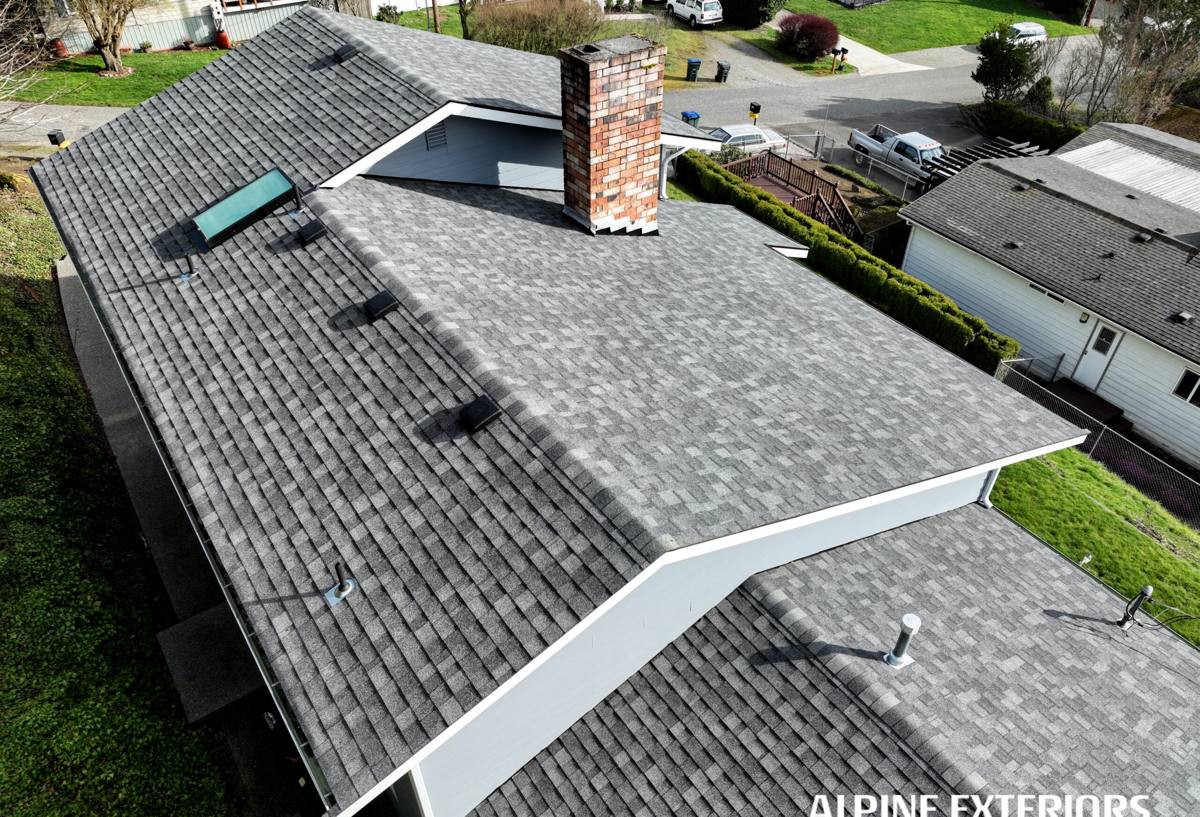
This page is about one job, done right, in one specific place: full new roof installation for Similk Beach homes. Not a general overview of roofing — the actual decisions that matter when the house is exposed to salt-laden wind off the water and shaded by fir and cedar for half the year.
Why Salt Air, Driving Rain, and Moss Take a Toll Here
Salt Air and Metal Components
Homes close to the water pick up airborne salt that settles on every exposed metal surface on the roof — nail heads, flashing, drip edge, vent stacks, and gutter hardware. Standard electro-galvanized fasteners and thin flashing can start showing surface corrosion well before the shingles themselves are due for replacement. Once flashing starts to rust and pit, it stops shedding water cleanly at the exact points where a roof is most likely to leak: chimneys, sidewalls, and valleys.
Wind-Driven Rain
Storms coming off the water don't just fall straight down — wind pushes rain sideways into roof-wall intersections, under shingle tabs, and into any gap in the flashing. A roof built for a calmer, more sheltered lot doesn't always account for that lateral pressure. Fastener patterns, underlayment overlap, and flashing laps all need to be tighter than the bare minimum code allows when a roof faces this kind of exposure.
Extended Moss Season
Skagit County's wet, mild winters and the shade from mature trees around many Similk Beach lots add up to a moss season that runs much longer than a single "fall cleanup." Moss holds moisture directly against the roofing material, lifts shingle edges as it grows, and works its way into fastener penetrations. On north-facing slopes and anywhere tree cover blocks the sun, moss can become a year-round maintenance issue rather than a seasonal one.
Signs a Similk Beach Home Needs a New Roof, Not Just a Repair
Repairs make sense for isolated damage. A full new roof installation becomes the right call when the underlying problems are spread across the whole roof rather than confined to one spot. Common signs we see on homes in this area include:
- Granule loss heavy enough that you can see bare asphalt in multiple spots, not just one worn patch
- Soft or spongy decking at the eaves, often found only once the old roofing is pulled back
- Moss and algae staining that returns within months of a cleaning, especially on shaded slopes
- Rusted or pitted flashing around chimneys, skylights, and sidewalls
- Curling, cupping, or cracked shingles across large sections rather than a single row
- Daylight visible through the roof deck from inside the attic, or damp insulation after storms
If only one or two of these apply to a small area, a targeted repair may still be the right, honest answer. We'll tell you that directly rather than pushing a full replacement a roof doesn't need yet.
Roofing Materials That Hold Up in This Climate
Every roofing material has trade-offs. For a Similk Beach lot with water exposure, tree cover, or both, the right choice usually comes down to how the material handles moisture and salt air over the long run, not just its upfront price.
| Material | Salt Air / Moisture Behavior | Moss Resistance | Typical Lifespan | Relative Cost |
|---|---|---|---|---|
| Architectural asphalt shingle | Good with corrosion-resistant fasteners and flashing | Moderate — benefits from algae-resistant granules | 25–35 years | Lowest |
| Standing seam metal | Excellent when a marine-grade or coated panel is used | High — sheds moss more effectively than shingles | 40–60 years | Highest |
| Cedar shake | Requires ongoing maintenance in wet, shaded conditions | Low without regular treatment and cleaning | 20–30 years with upkeep | High |
We install architectural asphalt shingle and metal roofing most often on Similk Beach homes. Cedar shake can look great, but on a shaded, moisture-heavy lot it demands a maintenance commitment most homeowners underestimate — we'll say so upfront rather than sell a product that will disappoint you five years in. Whatever material you choose, algae-resistant shingle granules or a properly coated metal panel are worth the small upcharge in this climate.
What a Correct New Roof Installation Actually Involves
Tear-Off and Deck Inspection
We remove the old roofing down to the deck rather than layering over it. That's the only way to actually see the plywood or plank decking underneath — which is where hidden rot from years of moisture intrusion usually shows up first, especially near eaves and valleys. Any soft or damaged decking gets replaced before anything new goes down; installing new roofing over a compromised deck just hides the problem for a few more years.
Underlayment and Ice-and-Water Protection
A synthetic underlayment goes down across the full roof, with self-adhering ice-and-water shield reinforcing the vulnerable areas — eaves, valleys, and anywhere the roof meets a wall. Given how much wind-driven rain this location sees, we don't treat that extra protection as optional.
Flashing Details
New flashing at every chimney, skylight, vent, and sidewall, matched to a metal that resists corrosion from salt air rather than the cheapest standard-grade option. Flashing is where the majority of roof leaks actually start, so this step gets more attention than the shingles themselves.
Ventilation
Balanced intake and exhaust ventilation keeps the attic temperature and moisture level in check, which matters both for shingle lifespan and for controlling condensation in our wet regional climate. A roof can be installed perfectly and still fail early if the attic underneath it is trapping moisture.
Our Installation Process
- On-site inspection and honest assessment — repair, partial replacement, or full new roof, based on what we actually find
- Written estimate covering material options, scope of work, and timeline, with no vague allowances
- Permitting handled through the appropriate local jurisdiction before work begins
- Full tear-off, deck inspection, and repair of any compromised sheathing
- Underlayment, ice-and-water protection, and new flashing installed to the standard this climate requires
- New roofing material installed per manufacturer specification, including proper ventilation
- Final walkthrough and cleanup, including a magnetic sweep for stray fasteners around the property
Ventilation and Moisture Control After the Roof Is On
A new roof isn't a one-time fix if the attic underneath keeps trapping moisture. Proper intake vents at the eaves paired with exhaust at the ridge let warm, moist air escape instead of condensing against the underside of the deck. On tree-shaded Similk Beach lots, this also indirectly helps with moss — a drier, better-ventilated roof surface gives moss less to hold onto than a roof sitting under a constant layer of damp, trapped air. We check existing ventilation as part of every new roof installation and correct it when it's undersized or blocked, rather than leaving a known problem in place under new shingles.
Why a Local Anacortes Crew Matters for Similk Beach
A crew that already works this stretch of Fidalgo Island knows which details matter here specifically: which fastener and flashing grades hold up against salt air, which slopes on a shaded lot tend to hold moss longest, and how wind off the water actually hits a roof compared to a more sheltered inland site. That's the kind of knowledge that comes from doing the work in this exact area repeatedly, not from a general roofing checklist. It also means a shorter response time if a storm causes damage, and a crew that's familiar with Skagit County and City of Anacortes permitting rather than learning it on your job.
Questions to Ask Before You Hire a Roofing Contractor
- Are you licensed and insured to work in Washington State, and can you provide proof?
- Will you inspect and repair the deck if it's damaged, not just roof over it?
- What underlayment and flashing grade do you use, and why, given this location's salt air exposure?
- Is the manufacturer warranty tied to a certified installation, and what does that actually cover?
- Will you pull the required local permit, or is that left to the homeowner?
- Do you have references from other jobs in this immediate area, not just the region in general?
If a contractor can't give you straight answers to these, that's worth noticing before you sign anything.
If your roof is showing wear, or you'd just like an honest opinion on whether it's time for a replacement, we're glad to come take a look. Fill out the form below for a free, no-pressure estimate on your Similk Beach home.