 Anacortes Siding
 Storm Damage Roof Repair for Similk Beach Homes
Similk Beach sits right on the water along Similk Bay, and that waterfront position is exactly why roofs here take a different kind of beating than a house a few miles inland in Skagit County. Wind comes off the bay with nothing to slow it down, rain drives in sideways during winter storms, and the salt-laden air works on metal fasteners, flashing, and exposed roofing edges year-round. When a storm damages a roof out here, the fix has to account for all of that — not just patch what broke and move on.
We work on homes in Similk Beach and the surrounding Anacortes waterfront regularly, and storm damage repair is one of the calls we get most after a hard blow. This page walks through what storm damage actually looks like on a roof in this specific location, what a correct repair involves, and how our process works from the first call to the final walk-through.
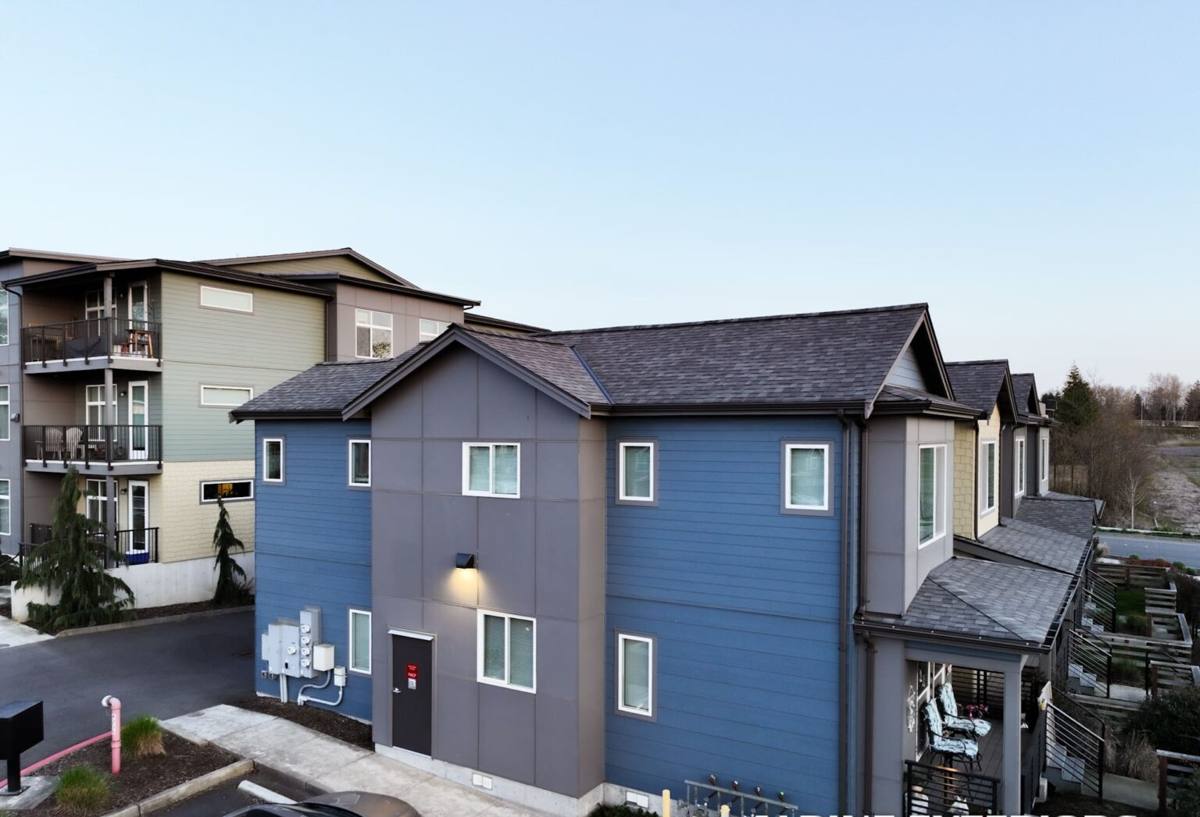
Why Similk Beach Roofs Take a Different Kind of Beating
Wind Exposure Off the Water
Houses set back from the shoreline get some buffering from trees and terrain. Homes closer to the Similk Bay waterfront don't have that luxury — wind gusts hit the roofline directly, and that's what lifts shingle edges, works fasteners loose, and peels back ridge caps over time. A single big windstorm can do damage that isn't obvious from the ground but shows up as a leak the next time it rains hard.
Salt Air and Corrosion
Salt air is slow, quiet damage. It doesn't blow a roof apart in one night — it accelerates the corrosion of nails, flashing, and metal drip edge over years, so a roof that looks fine can have fasteners and flashing that are weaker than they should be right when a storm puts stress on them. That's part of why storm damage on a bayfront roof often turns out to be worse than it first appears once we get up there.
Moss Season
Western Washington's long, wet moss season adds another layer. Moss holds moisture against the roof surface, works its way under shingle tabs, and lifts material just enough that wind has something to grab onto in the next storm. A roof with moss buildup going into a windstorm is more likely to lose shingles than a clean one, and that connection between moss and wind damage is something we look for on every storm inspection out here.
What Actually Counts as Storm Damage
Homeowners often assume storm damage means a hole in the roof, but most of what we find is less dramatic and easier to miss:
- Shingles lifted, cracked, or torn loose at the tabs from wind uplift
- Granule loss from driving rain and wind abrasion, leaving bare asphalt exposed
- Flashing pulled away or bent at chimneys, vents, and roof-to-wall transitions
- Fascia, soffit, or gutter damage from wind-driven debris
- Limb strikes from trees near the property line, which can crack shingles without puncturing the deck
- Moss-loosened shingles that finally let go during high wind
- Water intrusion at valleys where wind-driven rain overwhelms the flashing
Some of these are visible from the ground with binoculars. Most aren't. That's why a proper storm damage assessment means getting on the roof, not just looking up at it.
Our Storm Damage Repair Process
1. Inspection
We walk the entire roof, not just the area you think was hit. Wind damage is often worst at ridges, edges, and corners — areas that catch the most uplift — and those aren't always where a homeowner would guess to look.
2. Temporary Protection
If there's active leaking or exposed deck, we get it tarped or covered the same visit whenever possible. Anacortes weather doesn't wait for a repair schedule, and a covered roof buys time to do the permanent fix right instead of rushing it.
3. Documentation
We photograph and note the damage in a way that's useful if you're filing an insurance claim — clear shots of the affected areas, a plain description of what happened and what it will take to fix it. We're not adjusters and don't speak for your insurer, but good documentation from the contractor makes that conversation easier.
4. Repair
We match materials as closely as possible, replace damaged flashing rather than just re-sealing it, and check fastening patterns against current wind exposure rather than just what was there before — since what held up fine ten years ago may not be enough if tree cover has changed or the original install was already marginal.
5. Follow-Up
After a major storm we're happy to do a quick recheck once the weather settles, especially if the repair was done as a stopgap during active bad weather.
Repair or Replace? What Actually Drives That Decision
Not every storm-damaged roof needs full replacement, but not every roof should be patched either. Here's how we weigh it:
| Factor | Leans Toward Repair | Leans Toward Replacement |
|---|---|---|
| Roof age | Under 12–15 years, otherwise sound | Nearing or past expected lifespan |
| Extent of damage | Isolated to one section or slope | Spread across multiple slopes |
| Underlying condition | Deck and underlayment solid | Rot, soft decking, or widespread moss damage found underneath |
| Prior repair history | First storm event on this roof | Repeated patch jobs already on record |
| Insurance scope | Claim covers targeted repair | Claim scope supports full slope or full roof |
We'll always tell you honestly which side of that line your roof falls on. A repair that's likely to fail again in the next storm isn't a service to you, even if it's the cheaper number today.
Broad Cost Factors
Storm repair costs vary a lot based on scope, access, and material match, so we won't quote a number here we can't stand behind sight unseen. In general, a contained repair — a section of shingles, a flashing detail, minor fascia — runs on the lower end of typical repair pricing. Damage affecting multiple areas, deck replacement, or a full slope pushes toward the higher end and starts to approach replacement pricing. We give exact numbers only after we've actually seen the roof.
Materials and Methods We Use for Storm-Exposed Roofs
Given the wind and salt exposure at Similk Beach, we lean toward a few specific practices when repairing or reroofing here:
- Corrosion-resistant fasteners and flashing suited to coastal air, not just standard-grade hardware
- Proper sealing and fastening at ridges and edges, since that's where uplift starts
- Careful valley and flashing work at roof-to-wall transitions, where wind-driven rain does the most damage
- Moss treatment and gutter clearing as part of the job, not left for the homeowner to handle separately, since clogged gutters make wind and rain damage worse
We don't push a particular shingle brand as a cure-all. What matters more than the label is correct installation for wind exposure — proper nailing pattern, sealed tabs, and flashing that's actually tied into the roofing system instead of just caulked at the edges. A premium shingle installed with shortcuts will still fail in a windstorm; a mid-range shingle installed correctly for this exposure will generally outperform it.
Insurance Claims: What to Know Before You Call
Most storm damage repair at Similk Beach ends up going through homeowners insurance. A few honest points on that process:
- Get a contractor assessment before or alongside your insurance inspection — a second set of eyes on the roof helps make sure nothing gets missed in the adjuster's report
- Ask for a written scope from us that lists exactly what's damaged and why, so it matches up cleanly against the claim
- Don't sign a full contract with any contractor before you know what your policy actually covers
- Be cautious of anyone going door-to-door after a storm pushing you to sign on the spot — that's a common pattern after regional weather events, and it's worth taking the time to check who you're hiring
Checklist: What to Do Right After a Storm
- Check attic or top-floor ceilings for water stains or drips
- Look at gutters and the ground below the roofline for shingle granules or broken shingle pieces
- Note any tree limbs down on or near the roof, but don't climb up to inspect it yourself
- Take photos from the ground of anything visibly out of place
- Call for an inspection before the next rain if you suspect any damage — a small leak gets worse fast in back-to-back storm systems
Why It Matters That We Already Work Similk Beach
Storm damage repair isn't the same job everywhere in Skagit County. A crew that mostly works inland neighborhoods may not think to check corrosion on flashing fasteners or may under-spec the wind resistance of a repair, because that's not what their usual jobs demand. Working this stretch of Anacortes waterfront regularly means we already know where wind uplift tends to start on these roof lines, how far salt air typically gets into hardware before it's a problem, and how aggressive the moss season is on north-facing slopes near the water. That local pattern recognition is the difference between a repair that holds through the next storm and one that's back on our schedule in six months.
We're not interested in a one-time patch that looks fine until the next windstorm proves it wasn't. We'd rather tell you plainly what your roof needs, do that work correctly, and be the crew you call the next time weather does something to this house — because out here, there will be a next time.
If a recent storm has you wondering about your roof, we're glad to take a look. Reach out for a free, no-pressure estimate using the form below — we'll walk the roof, tell you honestly what we find, and lay out what a correct repair actually involves before any work begins.