 Anacortes Siding
 Storm Damage Roof Repair Built for Skyline's Weather
Skyline sits on Fidalgo Island, exposed to the wind and moisture that roll in off the Salish Sea. That combination of salt air, driving winter rain, and a moss season that can run most of the year puts real, ongoing stress on roofs in this neighborhood. When a windstorm lifts shingles, rain finds its way under flashing, or a heavy branch comes down during a winter blow, the roof needs an honest assessment and a repair that accounts for what Anacortes weather will keep throwing at it — not just a quick patch.
This page covers what storm damage actually looks like on Skyline roofs, what a correct repair involves, and how our process works from the first call to the final cleanup.
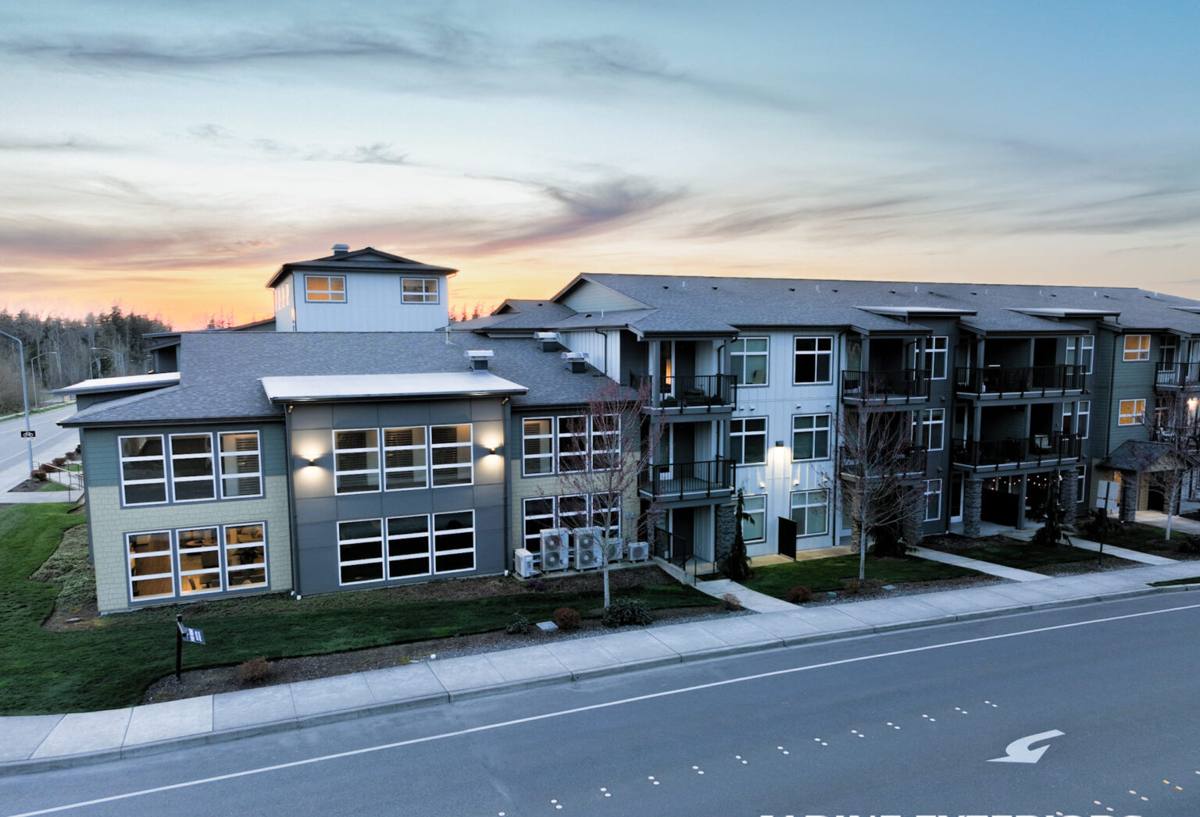
Common Storm Damage We See on Skyline Roofs
Most storm-related roof calls in this part of Anacortes fall into a handful of categories. Knowing which one you're dealing with helps set expectations before a contractor ever gets on the roof.
Wind Damage
Skagit County gets its share of strong winter windstorms, and Skyline's elevation and tree exposure mean gusts can hit roofs harder than in more sheltered parts of town. Wind damage usually shows up as lifted, cracked, or missing shingles, bent or torn ridge caps, and loosened flashing around chimneys and vents.
Rain and Water Intrusion
Driving rain doesn't just fall on a roof — in a windstorm it gets pushed sideways and up under edges, seams, and flashing that would otherwise shed water fine. Once shingles or flashing are compromised, water intrusion can follow fast, especially during the sustained rain events common here from fall through spring.
Falling Debris
Skyline's tree cover is part of what makes the neighborhood attractive, but conifers also drop limbs during storms. Impact damage can crack shingles, dent metal flashing, or in more serious cases damage the decking underneath.
Moss-Related Deterioration
Moss isn't storm damage on its own, but it sets roofs up to fail when a storm does hit. Moss holds moisture against shingles, lifts shingle edges as it grows, and clogs valleys and gutters — all of which make a roof more vulnerable to wind and water damage during the next storm.
Why Skyline's Climate Makes This Worse
Anacortes' marine climate is a double-edged sword for roofing. The same salt air and humidity that make the area beautiful also accelerate corrosion on exposed metal fasteners and flashing, and they keep roof surfaces damp longer after every rain. Combined with tree shade common in parts of Skyline, that dampness is exactly what moss needs to establish and spread. A roof that's already carrying moss growth or corroded flashing going into a windstorm is far more likely to sustain real damage than a well-maintained one — which is why storm repair here often has to address underlying conditions, not just the storm's immediate mark.
What a Correct Storm Damage Repair Involves
A repair that only addresses what's visible from the ground is a repair that's likely to need redoing. A proper storm damage repair covers the full path water could take if the damage isn't fully corrected.
- Full roof inspection, not just the reported problem area — wind and impact damage is often worse a few feet from where it's obvious
- Decking check underneath damaged shingles for soft spots or water staining
- Flashing inspection around chimneys, vents, skylights, and valleys, since these are common failure points during wind-driven rain
- Matching replacement materials as closely as possible to the existing roof in type, profile, and color
- Confirming attic ventilation wasn't compromised, since trapped moisture behind a repaired section can cause problems that show up months later
- Gutter and downspout check, since storm debris and moss buildup often overload drainage right when the roof needs it working properly
What We Look For Beyond the Obvious Damage
On an older roof, storm damage sometimes reveals wear that was already underway — brittle shingles past their service life, fasteners that have corroded from years of salt air exposure, or flashing that was undersized or poorly sealed to begin with. We'll tell you plainly if that's what we find, and what your options are, rather than just patching over a problem that's going to resurface.
Our Storm Damage Repair Process
1. Assessment and Documentation
We inspect the full roof, not just the damaged area, and document what we find with photos. This matters both for giving you an accurate scope of work and for supporting an insurance claim if you're filing one.
2. Temporary Protection
If there's active water intrusion or exposed decking, protecting the interior of your home comes first. Temporary measures like tarping keep further rain out while the permanent repair is scheduled and materials are sourced.
3. Written Scope and Estimate
You get a clear, written explanation of what's damaged, what needs to be repaired versus replaced, and what it will cost — no vague verbal estimates.
4. The Repair
We replace damaged materials, correct any flashing or ventilation issues we found, and match new materials to your existing roof as closely as possible.
5. Cleanup and Final Check
Debris and old materials are cleared from the property, and we do a final walk-through so you know exactly what was done.
Repair or Replace? How We Help You Decide
Not every storm-damaged roof needs full replacement, and not every "small" repair is actually a good long-term fix. The right call depends on the roof's age, the extent of the damage, and what condition the rest of the roof is in.
| Factor | Repair Often Makes Sense | Replacement Often Makes Sense |
|---|---|---|
| Roof age | Roof is within its expected service life | Roof is near or past the end of its expected lifespan |
| Extent of damage | Damage is isolated to one section or slope | Damage is widespread or affects multiple areas |
| Underlying condition | Decking and flashing elsewhere are sound | Moss, rot, or corrosion are found in multiple spots |
| Material availability | Existing shingle line and color can still be matched | Materials are discontinued and matching isn't realistic |
| Storm frequency | This is an isolated event on an otherwise healthy roof | Roof has taken repeated storm damage over recent years |
We'll walk you through where your roof falls on that spectrum before recommending anything, and we're not going to push a full replacement when a solid repair will genuinely do the job.
Storm Damage and Insurance Claims
Many storm damage repairs in Skyline are covered in some form by homeowners insurance, though every policy is different and we're not in a position to interpret your coverage for you. What we can do is provide clear documentation — photos, a written damage assessment, and a detailed repair scope — that gives you what you need to work with your insurance company. We'd rather hand you thorough, honest paperwork than promise a claim outcome we can't guarantee.
Why Working With a Crew That Already Knows Skyline Matters
Storm damage repair goes better when the crew showing up already understands the conditions a specific neighborhood deals with. In Skyline's case, that means knowing which storm patterns tend to cause wind versus water damage, recognizing moss and salt-air wear on sight, and having a realistic sense of how long temporary protection needs to hold given Anacortes' rain patterns. A crew unfamiliar with Fidalgo Island's marine climate may treat a Skyline roof like any other repair job — when the reality is that materials, fasteners, and ventilation choices that work fine inland don't always hold up the same way here.
Reducing Future Storm Damage: A Homeowner Checklist
Storm damage is rarely 100% preventable, but a well-maintained roof holds up far better when a windstorm or heavy rain event hits. Between storms, a few habits go a long way in this climate:
- Have moss removed and treated before it spreads across shingles or into valleys
- Keep gutters and downspouts clear, especially heading into the fall storm season
- Trim back tree limbs that overhang the roof or could reach it in high wind
- Get flashing around chimneys, skylights, and vents checked periodically for corrosion or gaps
- Schedule a roof inspection after any significant windstorm, even if no damage is visible from the ground
- Address small leaks or lifted shingles promptly, before driving rain turns them into bigger problems
Get an Honest Look at Your Roof
If a recent storm has you wondering whether your roof came through it okay, we're happy to take a look and give you a straight answer — whether that's a simple repair, a bigger fix, or reassurance that everything's fine. Reach out for a free, no-pressure estimate using the form below.