 Anacortes Siding
 Building a Deck That Actually Holds Up in La Conner
La Conner sits right on the Swinomish Channel, which means homes here deal with a version of Skagit County weather that inland neighborhoods don't see as much of: salt-laden air coming off the water, wind-driven rain that gets pushed sideways into every gap and seam, and a long, damp shoulder season where moss and algae get a real head start on any surface that stays shaded or wet. A deck built to a generic spec sheet will survive that for a few years. A deck built for La Conner's specific conditions will survive it for decades. That difference comes down to material choices, fastener selection, and framing details that most homeowners never think about until something starts to sag, stain, or rust.
This page covers what we actually do differently when we build a custom deck for a La Conner property, and why it matters given the climate you're dealing with.
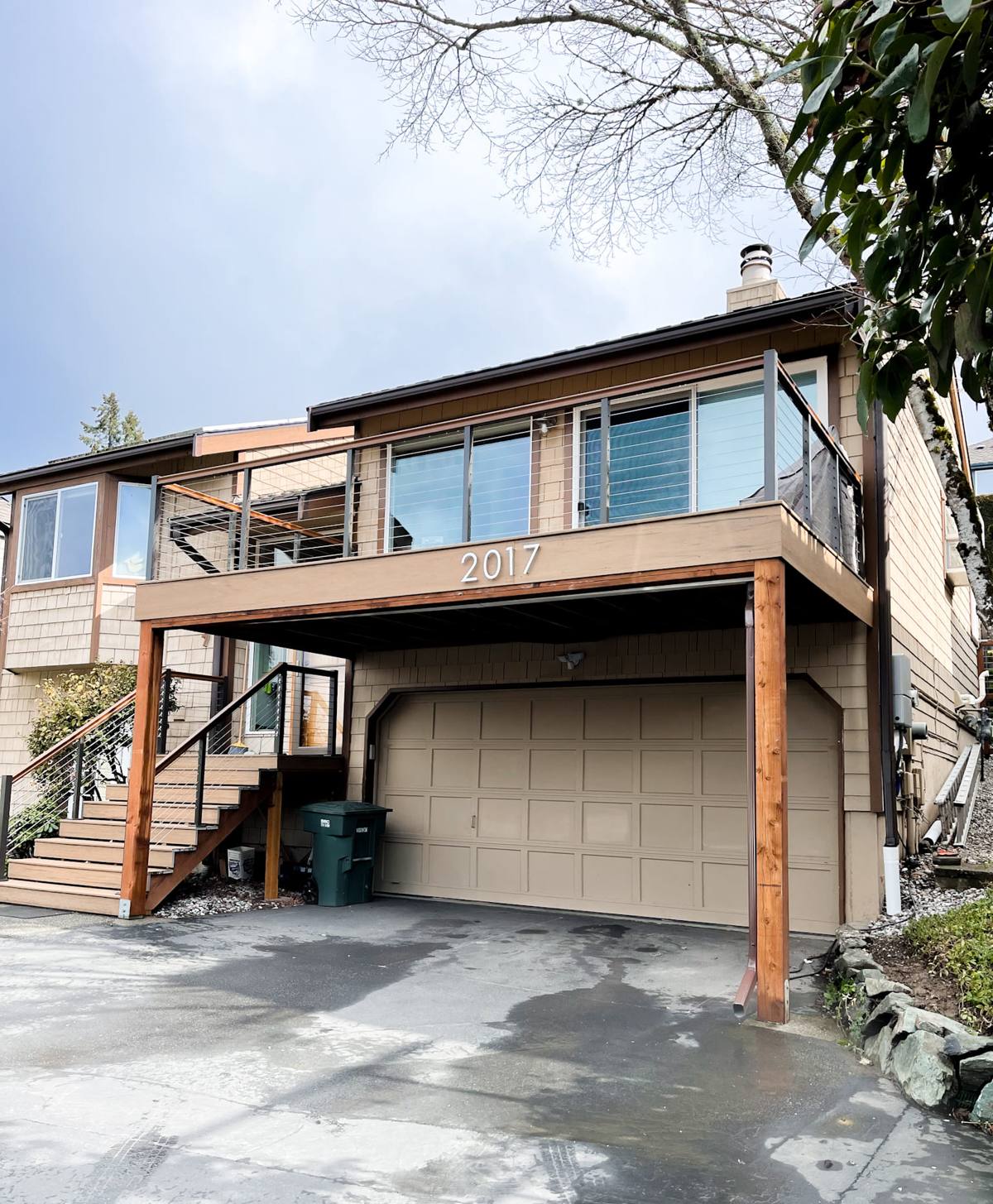
What Waterfront Air and a Long Wet Season Do to a Deck
Salt Air and Metal Corrosion
Proximity to tidal water means airborne salt settles on everything outdoors, including deck hardware. Standard galvanized fasteners and connectors can start showing rust streaks and pitting well before an inland deck's hardware would. Once corrosion starts on a structural fastener, it's not just cosmetic — it's a slow reduction in the holding strength of the connection.
Driving Rain and Wood Decay
Skagit County gets its fair share of rain in any given year, but the kind of rain that does the most damage to a deck isn't the straight-down kind — it's wind-driven rain that gets forced under rail caps, into end-grain cuts, and behind ledger boards where it can sit against the house framing. Wood that stays wet longer than it stays dry is wood that's on a countdown to rot, regardless of species.
Moss, Algae, and the Slip Hazard They Create
Shaded decks, north-facing decks, and decks near mature trees or water go through a real moss season here — often stretching from fall through spring. Beyond the cosmetic green film, moss and algae hold moisture against the decking surface and make boards genuinely slippery, which is a real safety concern on stairs and near entry doors.
Choosing Decking Material for a La Conner Property
There's no single "best" decking material — there's a best material for your specific site, budget, and how much upkeep you're willing to do. Here's how the common options actually compare once you factor in salt air and a long wet season.
| Material | How it handles wet/salt conditions | Maintenance | Typical lifespan |
|---|---|---|---|
| Pressure-treated wood | Good if properly sealed and detailed; end cuts need field treatment | Re-seal or stain every 1-2 years | 15-20 years with upkeep |
| Cedar | Naturally rot-resistant, but softens the effect of salt exposure without regular oiling | Annual cleaning, periodic oil/stain | 15-25 years with upkeep |
| Composite decking | Excellent — doesn't absorb moisture or rot; capped boards resist staining | Periodic washing; no sealing/staining | 25-30+ years |
| PVC decking | Excellent moisture resistance; performs well in coastal-type air | Low — occasional cleaning | 25-30+ years |
For decks close to the water or in mostly shaded spots that stay damp longer, we generally steer homeowners toward composite or PVC decking, simply because the maintenance burden of keeping wood sealed against that kind of moisture exposure is significant. That said, plenty of La Conner homeowners want the look and feel of real wood, and a well-detailed cedar or treated-wood deck with the right fastening and drainage will still perform well — it just asks more of you in upkeep.
Framing and Structure — Where a Deck's Real Lifespan Is Decided
Ledger Board Attachment
The ledger board — where the deck ties into the house — is the single most common failure point on decks we're asked to repair or replace. It has to be properly flashed so water sheds away from the house structure instead of tracking behind the ledger and into the rim joist. On a property exposed to driving rain off the water, this detail is not optional trim work; it's the difference between a deck that stays structurally sound and one that quietly rots its connection to the house.
Joist and Beam Protection
Framing lumber that sits under decking boards is out of sight, which means problems there go unnoticed until they're serious. We use joist tape or a comparable barrier over the tops of joists and beams to keep standing water out of the wood fibers where screws penetrate — a small material cost that meaningfully extends the life of the structure underneath your decking.
Footings and Post Bases
Proper footing depth and post bases that keep wood off the ground and out of standing water matter everywhere, but they matter more on lots with poor drainage or a high water table, which is common on flatter waterfront-adjacent properties. Post bases with a stand-off design keep the base of every support post out of direct ground contact.
Fasteners and Hardware — The Detail Salt Air Punishes First
Given the corrosion risk from salt-laden air, we build with stainless steel or high-grade coated fasteners and structural connectors rated for coastal/corrosive exposure, not standard-grade galvanized hardware. It costs more up front. It also means you're not looking at rust streaks bleeding down your deck boards in three years, and you're not relying on a fastener that's slowly losing grip strength every winter. This is one of the clearest examples of where a slightly higher material cost buys you decades of not thinking about your deck.
Our Custom Deck Process
- On-site assessment — we look at sun/shade exposure, drainage, proximity to water, existing structure (if replacing a deck), and how you actually want to use the space.
- Design and material selection — sizing, layout, railing style, and decking material chosen for your site's specific exposure, not a one-size-fits-all default.
- Permitting — we handle the permit application and inspections through the applicable local jurisdiction so you're not navigating that process yourself.
- Structural build — footings, framing, ledger flashing, and joist protection done first, since this is the part that determines how the deck ages.
- Decking, railing, and finish work — installed to the manufacturer's spec (critical for composite/PVC warranty coverage) with attention to drainage and fastener placement.
- Final walkthrough — we go over the finished deck with you, including what maintenance (if any) it needs going forward.
Permits and Local Code Considerations
Deck construction in and around La Conner typically requires a building permit, and depending on the size, height, and proximity to property lines, may involve setback and guardrail requirements that get checked during inspection. Because La Conner has its own local permitting process distinct from unincorporated Skagit County, requirements can differ from what applies just outside town limits. We manage this process as part of every custom deck build so the finished structure is fully permitted and inspected, not something that becomes a problem when you go to sell the house.
Maintenance Checklist for La Conner Deck Owners
Whatever material you choose, a few habits go a long way toward getting the full lifespan out of a deck in this climate:
- Sweep debris off the decking regularly, especially in fall — trapped leaves hold moisture against boards and accelerate moss growth
- Rinse or gently wash the surface a couple of times a year to knock back algae and moss before it establishes
- Check railing and stair connections annually for movement, especially after a hard winter
- Inspect fastener heads and hardware for early rust or staining and address it before it spreads
- Keep gutters and downspouts near the deck clear so runoff isn't dumping extra water onto or under the structure
- For wood decks, plan on re-sealing or staining on the schedule the product calls for — skipping a cycle in a wet climate shortens lifespan fast
- Confirm drainage under the deck isn't pooling — standing water under a low deck is one of the most common causes of hidden rot
Why Hire a Crew That Already Works in La Conner
A contractor who mostly builds decks in drier, inland parts of the state can still build a structurally sound deck — but they may not default to stainless fasteners, extra ledger flashing, or moss-resistant material choices unless you specifically ask, because those aren't things their usual jobs require. Working regularly in Anacortes, La Conner, and the rest of Skagit County's waterfront-adjacent areas means those decisions are already built into how we spec a project, not an upsell we have to talk you into. We also know the local permitting process and what inspectors here are looking for, which keeps the project moving instead of stalling on paperwork.
Get a Straight Answer on Your Deck Project
Every La Conner property is a little different depending on how close it sits to the water, how much shade it gets, and what kind of deck you're starting from. If you'd like an honest look at what a custom deck would take on your property — with a straightforward, no-pressure estimate — fill out the form below and we'll get in touch.