 Anacortes Siding
 Storm Damage Roof Repair Built for Sedro-Woolley's Weather
Sedro-Woolley sits inland from the water compared to much of coastal Skagit County, but that doesn't spare local roofs from getting worked over. Winter windstorms funnel through the Skagit Valley, tree cover from the surrounding timber and river bottomland keeps roofs shaded and damp for long stretches, and the region's long, wet stretch between fall and spring gives moss and moisture months to find every weak spot in a roof system. Add in the driving rain that comes with a proper Pacific Northwest blow, and even a well-built roof can develop real problems after one bad storm night.
Storm damage roof repair isn't the same job as a routine repair. It usually starts with an unplanned call, a leak that shows up during or right after weather, and a homeowner who needs the roof stabilized fast and then repaired correctly — not just patched to make the drip stop for a week.
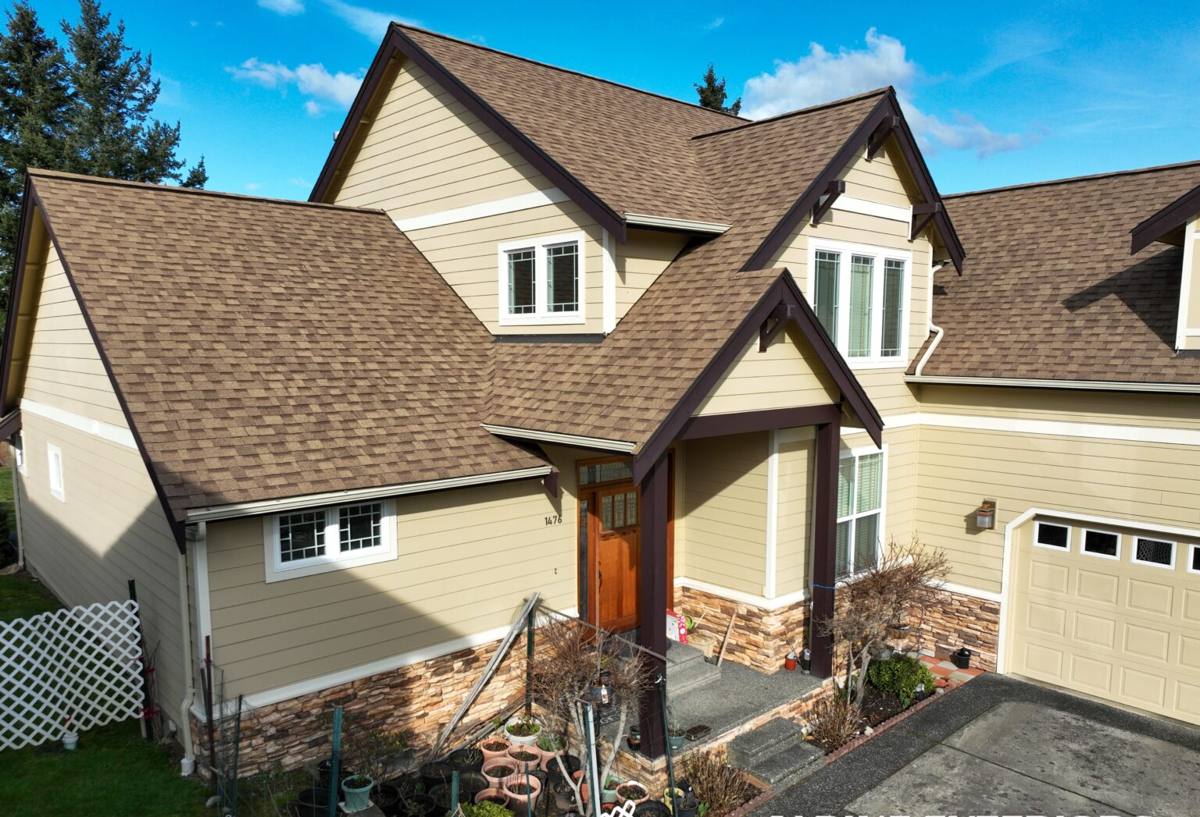
What Storms Actually Do to Roofs in This Part of Skagit County
Wind and blow-off damage
Sustained wind and sharp gusts lift shingle tabs, crease them, or tear them off outright, especially along ridges, hips, and any edge where the roofing material was already starting to lose its seal. Older asphalt shingle roofs and roofs with marginal original installation are the most vulnerable, but even a newer roof can lose material in a strong enough blow.
Driving rain and wind-driven intrusion
Rain that falls straight down rarely finds its way past good roofing. Rain that's being pushed sideways by wind is a different problem — it gets up under shingle tabs, around chimney and vent flashing, and into any gap that wouldn't normally see water. This is how a roof that "looks fine" from the ground ends up with a ceiling stain two days after a storm.
Falling limbs and debris
The tree cover that gives Sedro-Woolley its character also means limb strikes are a regular cause of storm damage here — sometimes a direct puncture, more often bruised or cracked shingles and dented flashing that won't show a leak right away but will fail within a season or two if left alone.
Signs Your Roof Needs a Storm Damage Inspection
- Ceiling stains, bubbling paint, or a musty smell in an upstairs room or attic after a storm
- Shingles, shingle granules, or pieces of flashing found in the yard or gutters
- Visible creased, lifted, or missing shingles from the ground
- A tree limb resting on or near the roofline, even if nothing looks punctured
- Sagging or soft-feeling spots on the roof deck
- Water in the attic insulation or on rafters that wasn't there before the storm
- Gutters pulling away from the fascia or overflowing during rain
What a Correct Storm Damage Repair Involves
Temporary protection first
If the roof has active leaking or exposed decking, the first priority is getting it dry and covered — tarping, temporary flashing, or sealing an exposed area — before doing anything else. Rushing a permanent repair over a roof that's still wet or under active exposure usually just traps moisture and creates a bigger problem later.
Getting under the surface
A real storm damage repair doesn't stop at replacing the shingles you can see. It means pulling back the surrounding roofing to check the underlayment and decking for water intrusion, checking flashing at every penetration nearby, and confirming the damage doesn't extend further than the obvious spot. A patch job that skips this step is why some storm repairs fail again in the next bad weather.
Matching materials and technique
Repairs should tie into the existing roof system properly — same or compatible shingle profile, correct nailing pattern, flashing that's integrated with the existing water path rather than just caulked over the top. Caulk and roof cement have a place in roofing, but they're a short-term fix, not a substitute for correct flashing and shingle work.
Our Storm Damage Repair Process in Sedro-Woolley
- Initial call and triage. We ask what happened, when, and what you're seeing inside the house, so we know whether this is an active-leak emergency or a repair that can be scheduled in the next few days.
- On-site inspection. We get on the roof (weather permitting) and in the attic to trace the damage back to its actual source — not just the spot where water is showing up inside.
- Stabilize if needed. If the roof is actively exposed, we tarp or temporarily seal it the same visit to stop further damage while a full repair is scheduled.
- Written scope and estimate. You get a clear explanation of what's damaged, what needs to be done, and an honest estimate before any repair work starts.
- Repair. We replace damaged shingles, decking, and flashing as needed and reintegrate the repair with the surrounding roof system.
- Documentation for your records or your insurer. Photos and a written description of the damage and repair, useful whether or not you end up filing a claim.
Repair Options and Cost Factors
Not every storm-damaged roof needs the same scope of work. The right approach depends on how much of the roof is affected, its age, and what's underneath the surface once we open it up.
| Repair Type | Best For | What Drives the Cost |
|---|---|---|
| Spot shingle repair | Isolated wind or limb damage on a roof that's otherwise in good condition | Number of shingles and flashing points affected, roof pitch and access |
| Section repair (with decking) | Localized leaks where water has reached the plywood or plank decking | Extent of rotten or wet decking, matching the existing shingle profile |
| Flashing repair or replacement | Leaks at chimneys, skylights, valleys, and vent penetrations | Number of penetrations, whether counterflashing needs to be reset into siding or masonry |
| Full re-roof | Older roofs where storm damage is widespread or the roof was near end-of-life already | Total roof area, layers to tear off, decking replacement, material choice |
An honest inspection will tell you which category you're actually in. Homeowners sometimes call expecting a full re-roof and only need a targeted repair — and occasionally the reverse is true once we see what's under the surface.
Moss, Shade, and the Long Wet Season
Storm damage and moss problems tend to show up together in this area, because the same shaded, damp conditions that let moss take hold also keep a roof wet longer after a storm, slowing everything from drying out. Moss holds moisture against the shingle surface, lifts tabs over time, and can work its way under flashing edges. When we're repairing storm damage on a roof with existing moss growth, we address both — there's little point in repairing a leak if the moss that contributed to it is left in place to keep doing the same damage next season.
Working With Your Insurance Company
Most homeowner policies cover sudden storm damage — wind, falling limbs, hail — though coverage details and deductibles vary by policy. We're glad to document the damage with photos and a written scope that you can submit to your insurer, and we can walk an adjuster through what we found on the roof if that's helpful. What we won't do is inflate a scope of work or claim damage that isn't there to help a claim get approved; our documentation reflects exactly what we see.
Why a Crew That Already Works Sedro-Woolley Matters
Roofing crews that work Skagit County regularly know the difference between what a Sedro-Woolley roof deals with — heavy tree cover, valley wind patterns, a long damp season — and what a roof closer to the water or over on the drier side of the Cascades has to handle. That matters when you're deciding whether a repair needs to account for moss, whether the decking underneath is likely to be affected by long-term moisture, and how urgently a given leak needs to be stabilized before the next system rolls through. It also matters for response time — after a regional storm, crews that are already local can usually get to your roof faster than one dispatching from farther away.
Ready for an Honest Look at Your Roof?
If your Sedro-Woolley home took storm damage, we're happy to come take a look and give you a straight answer about what's actually wrong and what it will take to fix it correctly — no pressure, no inflated scope. Use the form below to request a free estimate and we'll get back to you to schedule a visit.