 Anacortes Siding
 Why Siding Installation in Burlington Needs a Different Playbook
Burlington sits in the part of Skagit County where marine air off Puget Sound, low-lying river valley moisture, and long stretches of overcast, wet weather combine into one of the tougher siding environments in Western Washington. Homes here don't just get rained on — they get soaked, dried, and soaked again for months at a stretch, with salt-laden air working on fasteners and trim in between storms. A siding installation that would hold up fine in a drier inland climate can fail early in Burlington if it isn't built for these specific conditions.
That's the lens we install through. Siding here isn't just a cosmetic upgrade — it's the primary barrier standing between your framing and a climate that rarely lets a house fully dry out. Get the installation details wrong and you won't see it for a year or two. Get them right, and the same house should shrug off decades of Skagit County weather.
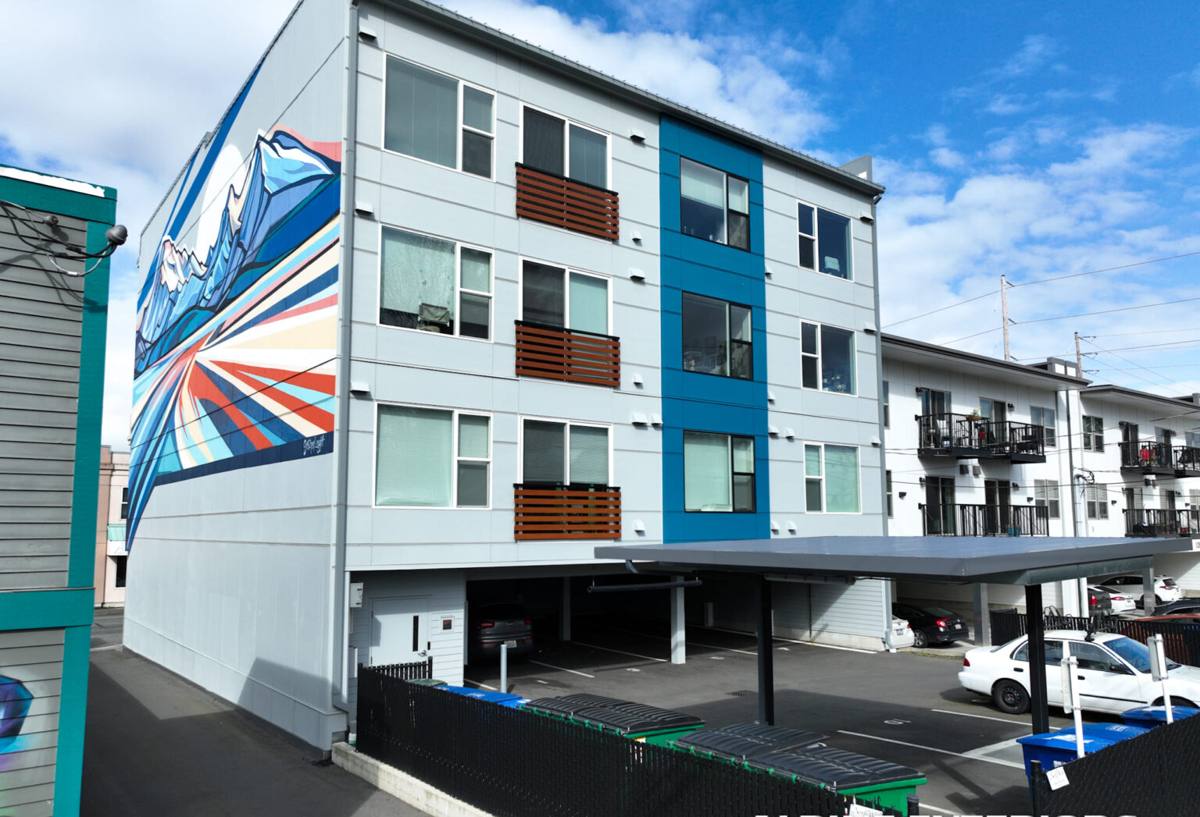
What Burlington's Climate Actually Does to a House
Salt Air and Corrosion
Even set back from open water, homes in this part of the county are exposed to salt-carrying air moving in off the Sound. Over years, that air accelerates corrosion on exposed fasteners, cheap flashing, and unprotected metal trim. Siding systems that rely on standard fasteners or thin, uncoated flashing tend to show rust streaks and failure points well ahead of schedule.
Driving Rain, Not Just Rain
Wind-driven rain is a different problem than a straight-down shower. It pushes water sideways and upward into laps, seams, and butt joints that a vertical rain would never reach. Siding installed with generic clearances and caulk-and-hope detailing will eventually let that water find a path behind the cladding.
Moss and Sustained Dampness
Skagit County's long moss season means north-facing walls, areas under eaves with poor airflow, and anything shaded by mature trees stay damp for extended stretches. Moss and algae don't just stain siding cosmetically — sustained dampness against a wall assembly is exactly the condition that rots wood-based products and delaminates weaker composite materials.
What a Correct Installation Actually Involves
"Siding installation" sounds simple from the curb, but the parts nobody sees are what determine whether a house stays dry for thirty years or starts showing problems in five. For Burlington homes specifically, we treat the following as non-negotiable:
- A continuous, correctly lapped weather-resistive barrier behind the siding — not a torn or stapled-through afterthought
- Properly flashed windows, doors, and any wall penetrations, integrated with the barrier so water is shed outward at every layer
- Correct fastener type, spacing, and depth for the specific siding product — not "whatever's in the gun"
- Minimum clearances from grade, roof lines, decks, and other siding-to-trim intersections so water and debris can't wick or pool
- Rainscreen or ventilation gaps where the wall assembly calls for them, so damp air has somewhere to go
- Factory-finished panels and trim installed to the manufacturer's actual specification, not a shortcut version of it
Skip any one of these and the siding might look fine on installation day. The failures show up later, quietly, behind a wall you can't see into.
Why We Install Only James Hardie Fiber Cement
We don't install vinyl, LP SmartSide, cedar, primed spruce, or other fiber cement brands. That's a deliberate standard, not a sales pitch. In a climate like Burlington's — salt air, driving rain, prolonged dampness — the trade-offs of those alternative products (moisture sensitivity at cut edges, UV and impact vulnerability, shorter finish life, or maintenance demands that most homeowners underestimate) show up faster and more visibly than they would in a milder region.
James Hardie fiber cement is non-combustible, dimensionally stable when wet or dry, and available in HZ5 formulations engineered for climates with significant moisture exposure. Combined with a factory-applied ColorPlus finish, it holds color and resists the moss, mildew, and salt-air weathering that plagues field-painted or lower-grade products in this part of the state. It's also backed by a strong transferable warranty when installed to spec — which is the other half of the equation: the product only performs as advertised if the installation matches the manufacturer's requirements.
Our Installation Process for Burlington-Area Homes
1. Assessment and Tear-Off
We start by removing existing siding down to the sheathing and actually looking at what's underneath — soft spots, hidden moisture damage, and old flashing that failed years ago but never showed on the surface. This step tells us whether we're dealing with a straightforward re-side or whether framing repairs need to happen first.
2. Water Management Layer
Before a single piece of siding goes up, we install a continuous weather-resistive barrier, properly lapped and integrated with window and door flashing. Given how much wind-driven rain this area sees, this layer — not the siding itself — is the true first line of defense.
3. Furring and Ventilation Where Called For
On walls prone to trapped moisture — shaded, north-facing, or heavily exposed to driving rain — we build in the gap needed for air to move behind the cladding. That airflow is what keeps a damp Skagit County winter from turning into a mold or rot problem two years later.
4. Panel and Plank Installation
James Hardie products are installed to manufacturer-specified fastener patterns, joint treatment, and clearances. This is where corner-cutting does the most long-term damage industry-wide, and where we spend the most care.
5. Trim, Caulking, and Finish Details
Corners, trim boards, and joints are finished using compatible, manufacturer-approved materials — not generic caulk that will crack and open a gap within a couple of wet seasons.
6. Final Walkthrough
We inspect clearances, flashing, and finish quality before calling the job done, and walk the homeowner through what basic upkeep looks like going forward.
Comparing Siding Approaches for a Burlington Home
| Factor | James Hardie Fiber Cement | Vinyl | Wood / Engineered Wood |
|---|---|---|---|
| Moisture behavior | Dimensionally stable, engineered HZ lines for wet climates | Can warp or gap; seams are a water entry risk | Absorbs moisture; edges and cuts are vulnerable without diligent sealing |
| Salt air / corrosion exposure | Non-combustible material; correct fasteners resist corrosion | Fasteners and trim can corrode; material itself doesn't rot but hardware can | Fasteners and exposed grain both vulnerable |
| Moss and algae resistance | Factory ColorPlus finish resists staining longer than field paint | Can stain; limited refinishing options | Prone to moss growth and surface breakdown in shaded, damp areas |
| Maintenance burden | Periodic cleaning and caulk checks | Low, but cracks and fades over time | Regular repainting/resealing required |
| Fire resistance | Non-combustible | Combustible | Combustible |
Cost Factors Specific to a Burlington Installation
Every home is different, but the biggest cost swings we see on Burlington-area projects come from a handful of predictable variables:
| Factor | Why It Matters Here |
|---|---|
| Condition of the sheathing underneath | Hidden moisture damage from years of driving rain sometimes requires repair before new siding goes on |
| Wall exposure (sun, shade, wind direction) | Heavily shaded or wind-exposed walls may need added ventilation detailing, affecting labor |
| Trim and architectural detail complexity | Corners, dormers, and multiple roof intersections all add flashing and finish work |
| Siding profile and finish selection | Plank width, texture, and ColorPlus color affect material cost |
| Site access | Tight lots, fencing, or landscaping can add time for tear-off and material staging |
We won't quote a job without walking the actual house — anything else is a guess. But these are the factors that tend to move a number up or down.
Signs a Burlington Home Needs New Siding Sooner Rather Than Later
- Persistent moss or dark staining that returns quickly after cleaning
- Soft or spongy spots when you press on the siding, especially near the bottom courses
- Visible gaps, warping, or separated seams around windows and corners
- Paint or finish that's failing unevenly, particularly on north-facing or shaded walls
- Rusty streaking around fasteners or trim
- Rising energy bills that suggest the wall assembly is no longer doing its job
None of these are emergencies by themselves, but taken together they're a sign the current siding is no longer managing water the way it should — and in this climate, that window between "cosmetic issue" and "structural repair" can close faster than homeowners expect.
After Installation: What Upkeep Actually Looks Like
James Hardie siding, installed correctly, is low-maintenance — but low-maintenance isn't the same as no-maintenance, especially with Burlington's moss season. A yearly rinse to knock down algae and organic buildup, an eye kept on caulked joints for cracking, and prompt attention to any impact damage will keep the system performing for its full service life. We walk every homeowner through this at the end of a job, because a five-minute conversation up front saves a lot of hassle down the road.
Why Hiring a Crew That Already Works Burlington Matters
A siding crew that mostly works drier, inland climates will often default to generic details — standard clearances, standard flashing, standard fastener schedules — because that's what works where they usually build. In Burlington, generic isn't good enough. The wind-driven rain, salt air, and moss exposure here punish shortcuts that would go unnoticed elsewhere for years.
Working this area regularly means we already know which walls tend to trap moisture, which orientations need extra ventilation detailing, and which failure points show up first when a previous installation was done wrong. That local pattern recognition is worth as much as the product itself — a correctly installed lower-tier product will often outlast a premium product installed carelessly.
Get a Straightforward Estimate
If your Burlington-area home is due for new siding, we're happy to take a look and walk you through what we see — no pressure, no inflated scare tactics, just a clear read on the condition of your walls and what correct James Hardie installation would involve. Use the form below to request a free estimate.