 Anacortes Siding
 Similk Beach Windows Face a Different Kind of Weather
Similk Beach sits close enough to the water that homes here take a different beating than houses even a few miles inland. Salt-laden air drifts off Similk Bay and Skagit Bay, driving rain comes in sideways during winter storms, and the long gray stretch from November through April keeps everything damp for months at a time. Windows are one of the first places that shows up. Frames chalk and pit faster near salt water, seals fail sooner when they're constantly wet, and moss and algae find a foothold on any surface that doesn't dry out quickly.
None of that means Similk Beach homes need exotic products. It means the details of the installation and the choice of frame material matter more here than they would in a drier part of Skagit County. A window that's a good fit for a home in Mount Vernon may not hold up the same way a quarter mile from saltwater.
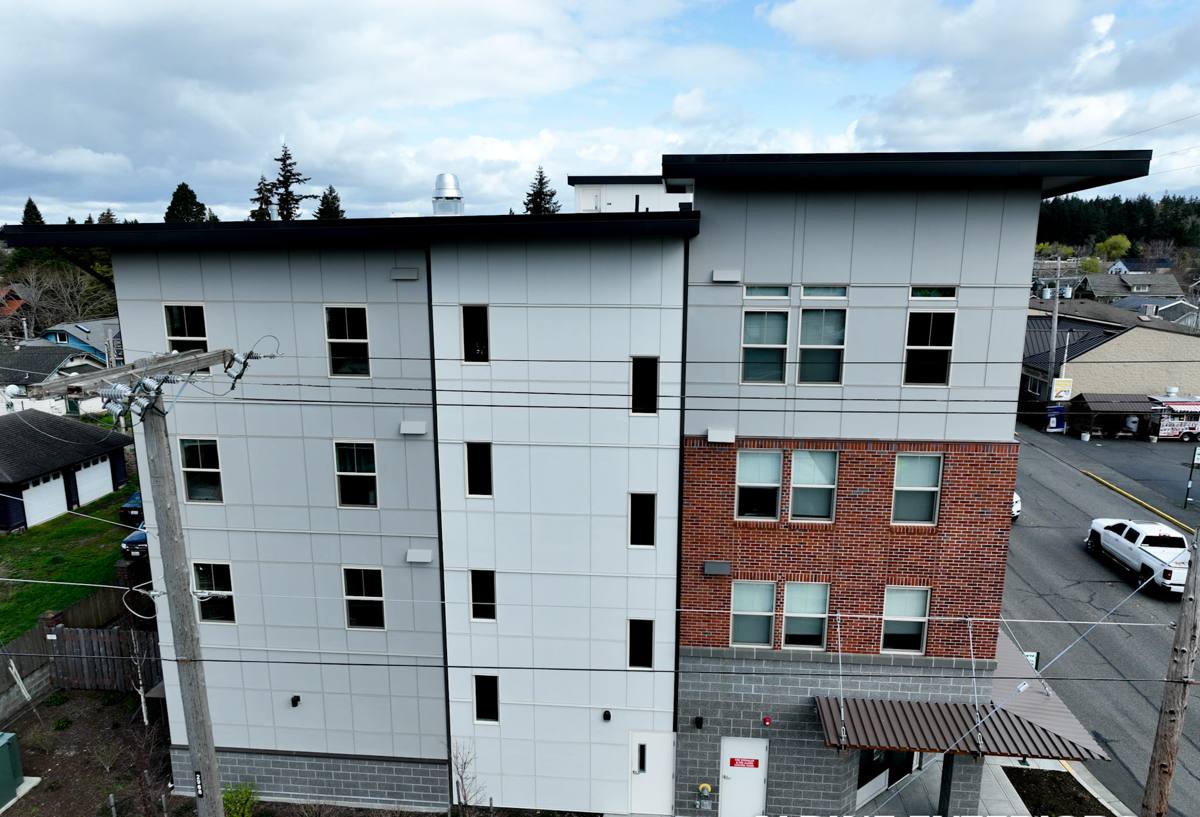
How Salt Air, Rain, and Moss Actually Damage Windows
Salt Air
Airborne salt is corrosive to unprotected metal hardware, fasteners, and some vinyl and aluminum finishes over time. It also settles into any gaps or unsealed joints, where it holds moisture against wood and framing longer than plain rainwater would. Homes with a direct water view or an exposed western/southern exposure toward the water get the heaviest dose.
Driving Rain
Anacortes gets wind-driven rain, not just straight-down rain, especially during fall and winter storm systems. Wind-driven water finds its way into any weak point in the flashing or sealant around a window opening — something a light, calm-weather rain never would. This is why flashing detail and sealant choice matter as much as the window unit itself.
Moss and Algae
The long wet season means anything that stays damp — sills, the top of window trim, north-facing frames that never get direct sun — grows moss and green algae film. Beyond the cosmetic issue, moss holds moisture against wood trim and caulking, which shortens the life of both.
Signs a Similk Beach Home Needs Window Replacement
- Fogging or a permanent haze between panes — the seal has failed and the insulating gas has leaked out
- Soft or spongy wood trim or sills around the window opening
- Visible gaps, cracked caulk, or daylight around the frame
- Windows that are hard to open, close, or lock — frames have swollen or shifted
- A noticeable draft or cold spot near the window in winter
- Paint that keeps failing or peeling on the trim no matter how often it's redone
- Persistent moss or dark staining on sills or the lower frame that keeps coming back after cleaning
- Higher heating bills without another clear cause
Any one of these on its own might just need a repair. Several of them together, especially on a home that's original to its build or hasn't had windows touched in 20+ years, usually means it's time to talk about full replacement rather than patching.
What a Correct Window Replacement Job Actually Involves
The window unit itself is only part of the job. In a coastal-exposure spot like Similk Beach, how the window is installed determines whether it lasts 10 years or 30.
Removing the Old Window the Right Way
This means pulling the old unit out cleanly, inspecting the rough opening for hidden rot or water damage before anything new goes in, and repairing any framing or sheathing damage found — not just covering it up. Skipping this step is the single most common cause of a window replacement failing early.
Flashing and Water Management
Proper flashing tape and a correctly lapped weather-resistant barrier around the opening are what keep wind-driven rain from getting behind the window over time. This detail matters more here than in a sheltered inland location, because Similk Beach homes see more sideways rain events per year.
Sealants Built for Marine Exposure
Not every exterior caulk holds up to salt air and constant UV/moisture cycling. We use sealants rated for the exposure the window will actually see, and we don't rely on caulk alone to do a flashing detail's job — caulk is the last line of defense, not the primary water barrier.
Level, Plumb, and Properly Shimmed
A window that isn't installed level and plumb will bind, won't seal evenly, and will put uneven stress on the frame and hardware — all of which shortens its life regardless of how good the window itself is.
Interior and Exterior Finish Work
Trim, sill work, and paint or caulk lines get finished cleanly on both sides, so the job looks right and every water-shedding surface is sloped and sealed properly.
Choosing Window Materials for a Salt-Air, High-Moisture Climate
There's no single "best" window material for every home — it depends on exposure, budget, and how the home is built. Here's how the common options actually perform in a Similk Beach-type environment:
| Material | Coastal/Salt-Air Performance | Maintenance | Typical Trade-Off |
|---|---|---|---|
| Vinyl | Good — won't corrode or rot, handles moisture well | Low — no painting needed | Frame color/style options are more limited than wood |
| Fiberglass | Very good — dimensionally stable, resists moisture and UV well | Low | Higher upfront cost than vinyl |
| Wood (clad exterior) | Good on the exterior-clad side; interior wood still needs care | Moderate — cladding protects exterior, interior wood may need periodic finish work | Higher cost; any failure point in the cladding needs prompt attention |
| Aluminum | Can corrode near salt water unless properly finished and maintained | Moderate to high in this exposure | We generally steer coastal-exposure clients away from bare aluminum for this reason — not because it's a bad product everywhere, just a maintenance burden here |
For most Similk Beach homes we work on, vinyl or fiberglass ends up being the practical choice — both handle the salt and moisture exposure without the ongoing maintenance that wood or aluminum demand in this specific setting. Wood-clad windows are still a good option for homeowners who want that look and are ready to keep up with it.
Our Window Replacement Process
- On-site assessment. We look at your current windows, the exposure of each elevation of the house, and any signs of existing water or moisture damage before recommending anything.
- Honest recommendation. We'll tell you which windows genuinely need replacing now, which can wait, and which material and style make sense for your home's exposure and budget — not just an upsell.
- Detailed estimate. Written, itemized, and free — no pressure to sign on the spot.
- Removal and opening inspection. Old windows come out carefully, and we check the rough opening for hidden damage before installing anything new.
- Correct installation. Proper flashing, sealant, shimming, and level/plumb setting — the details that determine whether the job lasts.
- Finish work. Interior and exterior trim, paint, and caulk lines finished cleanly.
- Final walkthrough. We check operation, seals, and finish work with you before we consider the job done.
What Affects the Cost of Window Replacement
| Factor | Why It Matters |
|---|---|
| Number of windows | Per-unit cost typically drops somewhat as the total job size increases |
| Frame material | Vinyl is generally the most budget-friendly; fiberglass and wood-clad cost more upfront |
| Window size and configuration | Larger units, custom shapes, or multi-pane configurations cost more than standard sizes |
| Condition of the existing opening | Hidden rot or water damage found during removal adds repair work before the new window goes in |
| Access and height | Second-story or hard-to-reach windows take more labor and setup time |
| Trim and finish scope | Full interior/exterior trim replacement costs more than reusing sound existing trim |
Because so much depends on what we find once we're actually looking at your windows and openings, we don't publish flat per-window pricing — every Similk Beach home is a little different depending on its age, exposure, and how the original windows were installed. A site visit gets you real numbers, not a guess.
A Homeowner's Pre-Replacement Checklist
- Walk the exterior of the house and note which windows show soft trim, gaps, or heavy moss buildup
- Check for fogging or condensation between panes on each window
- Note any windows that are hard to open, close, or lock
- Feel for drafts near window frames on a cold or windy day
- Ask any contractor you're considering how they handle flashing and rough-opening inspection — not just what brand of window they install
- Get a written, itemized estimate before agreeing to any work
- Ask about warranty coverage on both the window product and the installation labor separately
Why Local Experience in Similk Beach Matters
A crew that regularly works homes in this part of Skagit County already knows what a Similk Beach exposure does to a window installation over time — which elevations take the worst of the wind-driven rain, where moss builds up fastest, and which details in a flashing job actually hold up to a real coastal winter rather than just passing a dry-weather inspection. That's not something you get from a crew that mostly works inland neighborhoods and treats every job the same way.
We're an Anacortes-based crew that works throughout Skagit County, and jobs near the water like Similk Beach are a regular part of what we do — not an occasional exception. We install to the exposure the house actually has.
If your windows are showing their age or you're just not sure whether they need attention, we're happy to take a look and give you a straight answer. Reach out for a free, no-pressure estimate using the form below.